When it comes to transporting lysine, a critical amino acid widely used in animal feed and other industrial applications, selecting the right transport method is essential for efficiency, cost-effectiveness, and product integrity. Various methods are available, each with its own set of advantages and disadvantages. This article provides a detailed comparison of common lysine transport methods, helping industry professionals make informed decisions based on their specific operational needs.
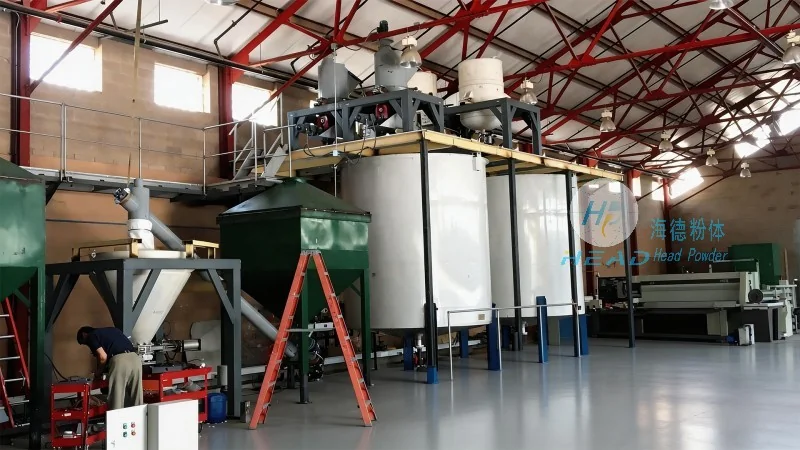
Overview of Lysine Transport Methods
Lysine is often handled as a fine powder or granular material, which presents unique challenges during transportation. The choice of transport method depends on factors such as material properties, distance, throughput requirements, and environmental considerations. Common methods include pneumatic conveying (both positive and negative pressure), screw conveyors, and pump systems. Each method has distinct characteristics that influence its suitability for lysine transport.
Positive Pressure Pneumatic Conveying
Positive pressure pneumatic conveying uses a blower or fan to generate airflow that pushes the lysine material through a pipeline. This method is particularly effective for transporting fine powders over medium to long distances. One of the key advantages is its ability to handle abrasive or sticky materials without significant wear on equipment. Additionally, it offers high throughput rates and can be integrated with other processing equipment, making it suitable for continuous production lines. However, it may require higher energy consumption compared to other methods, and the system can be more complex to maintain due to the need for air filtration and pressure regulation.
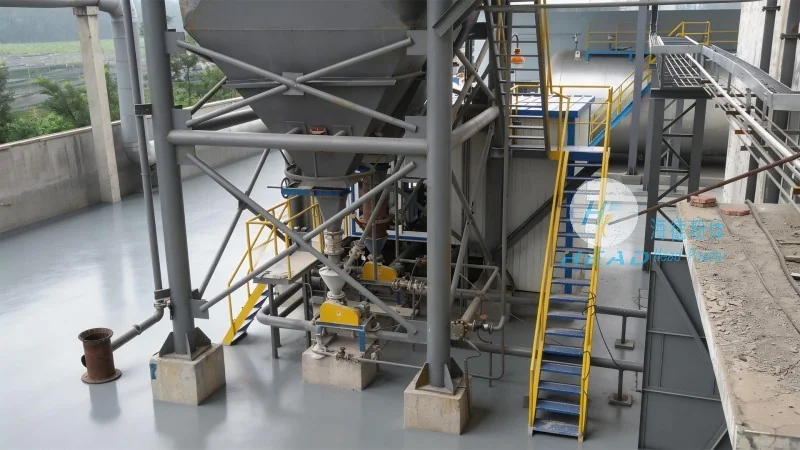
Negative Pressure Pneumatic Conveying
Negative pressure pneumatic conveying operates by creating a vacuum in the pipeline, drawing the lysine material into the system. This method is often preferred for shorter distances or when the material is sensitive to pressure changes. It generally consumes less energy than positive pressure systems and can be more cost-effective for smaller-scale operations. However, it may have lower throughput capabilities and is less effective for handling highly abrasive or sticky materials, as the vacuum can cause material buildup and blockages. Maintenance also requires careful attention to prevent dust contamination and system leaks.
Screw Conveyors
Screw conveyors use a rotating helical screw to move lysine material through a trough or tube. This method is ideal for transporting bulk materials over short to medium distances and is particularly effective for granular or semi-solid materials. Screw conveyors are relatively simple in design, making them easy to install and maintain. They offer good control over material flow and can be integrated with storage and processing equipment. However, they may not be suitable for very fine powders, as the screw can cause excessive friction and material degradation. Additionally, they can be prone to clogging if the material is too sticky or contains large particles.
Pump Systems (e.g., Hydraulic or Mechanical Pumps)
Pump systems, such as hydraulic or mechanical pumps, are used for transporting lysine in a liquid or slurry form. This method is commonly employed when lysine is mixed with water or other liquids to create a slurry for easier handling. The primary advantage is the ability to transport material over long distances with high pressure and flow rates, making it suitable for large-scale operations. Pump systems are also relatively efficient in terms of energy consumption compared to pneumatic methods. However, they require additional equipment for slurry preparation and may not be suitable for dry powder transport. The system also needs regular maintenance to prevent wear and tear from the abrasive nature of lysine particles.
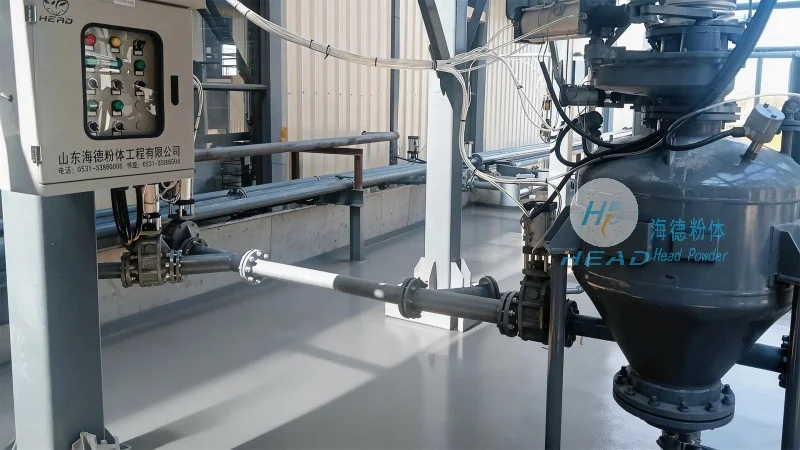
Key Considerations for Lysine Transport
When selecting a lysine transport method, several factors must be considered to ensure optimal performance and cost-effectiveness. Material properties, such as particle size, moisture content, and abrasiveness, play a crucial role in determining the most suitable method. The distance between the source and destination, as well as the required throughput, also influence the choice. Environmental factors, including dust control and noise reduction, are important, especially in industrial settings. Additionally, the initial investment cost and long-term maintenance expenses should be evaluated to ensure the chosen method aligns with the company's budget and operational goals.
HeadPowder Engineering's Expertise in Lysine Transport Solutions
Shandong HeadPowder Engineering Co., Ltd., a leading provider of industrial transport solutions, specializes in designing and manufacturing customized lysine transport systems tailored to the unique needs of each client. With years of experience in the industry, HeadPowder understands the challenges associated with lysine handling and offers innovative solutions that address the specific requirements of different applications. The company's team of engineers works closely with clients to assess their operational needs, material characteristics, and budget constraints, ensuring that the chosen transport method is both efficient and cost-effective. HeadPowder's commitment to quality and customer satisfaction has made it a trusted partner for businesses in the lysine and related industries. By leveraging advanced technology and expert knowledge, HeadPowder provides reliable and durable transport systems that enhance productivity and ensure product integrity throughout the process.




