When it comes to handling and transporting graphite lumps in industrial applications, selecting the right conveying method is crucial for efficiency, cost-effectiveness, and operational safety. Graphite, a versatile material used in various industries such as refractories, batteries, and lubricants, requires specialized equipment to ensure smooth and reliable transport. This article provides a detailed comparison of common graphite lumps conveying methods, highlighting their advantages and disadvantages to help industrial operators make informed decisions.
Introduction to Graphite Lumps Conveying
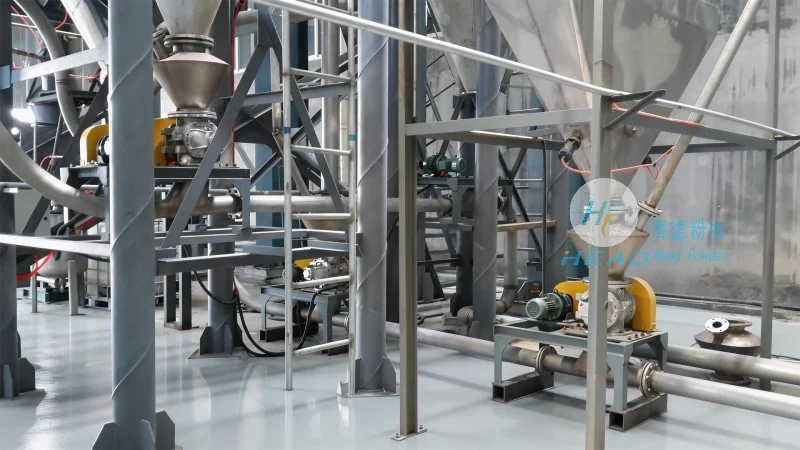
Graphite lumps, typically ranging from a few millimeters to several centimeters in size, present unique challenges during transportation due to their abrasive nature and tendency to generate dust. Proper conveying systems not only ensure the material reaches its destination without degradation but also minimize environmental impact and operational hazards. The choice of conveying method depends on factors like material properties, production scale, budget, and environmental regulations. Below, we explore several widely used methods for graphite lumps transport.
Spiral Conveyors: A Compact Solution for Horizontal and Inclined Transport
Spiral conveyors, also known as screw conveyors, are among the most common equipment for transporting graphite lumps. These systems consist of a rotating screw (screw blade) enclosed in a U-shaped or cylindrical housing. The screw rotates, pushing the material forward along the conveyor path. The primary advantage of spiral conveyors is their compact design, which makes them suitable for confined spaces where vertical or inclined transport is required. They are particularly effective for handling dry graphite lumps with low to moderate bulk density.
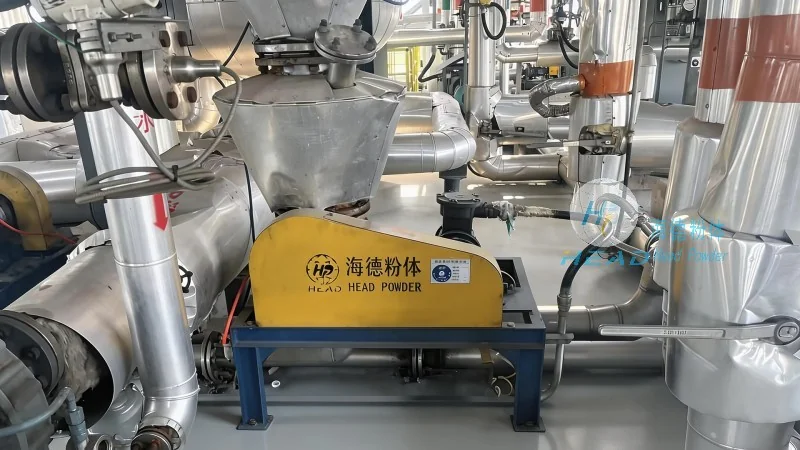
However, spiral conveyors have notable limitations. The high friction between the screw and the material can cause overheating, especially with abrasive graphite, leading to material degradation or equipment wear. Additionally, the system may struggle with large, irregularly shaped lumps, as the screw may not effectively move them. The capacity of spiral conveyors is generally lower compared to other methods, making them less suitable for high-volume applications. Maintenance is also a concern, as the screw and housing require regular inspection and replacement to prevent leaks or blockages.
Belt Conveyors: High-Capacity and Versatile for Bulk Transport
Belt conveyors are a staple in bulk material handling, including graphite lumps. These systems use a continuous belt, typically made of rubber or synthetic materials, that moves over rollers or pulleys. The belt is driven by a motor, and the material is placed on the belt, which transports it to the desired location. Belt conveyors excel in high-capacity applications, making them ideal for large-scale graphite production facilities. Their versatility allows for both horizontal and inclined transport, with incline angles up to 30 degrees, depending on the belt and material properties.
The advantages of belt conveyors include high throughput, low maintenance costs (compared to other systems), and the ability to transport materials over long distances. They are also relatively simple to install and operate, with minimal moving parts. However, belt conveyors have significant drawbacks when handling graphite lumps. The material's abrasive nature can quickly wear down the belt surface, reducing its lifespan. Dust generation is another issue, as the belt movement can cause graphite particles to break loose and become airborne. This poses health and safety risks and requires additional dust control measures. Furthermore, belt conveyors are not suitable for vertical transport, as the belt may slip or fail under the weight of the material.
Air-Pneumatic Conveyors: Dust-Free and Flexible for Fine and Lump Transport
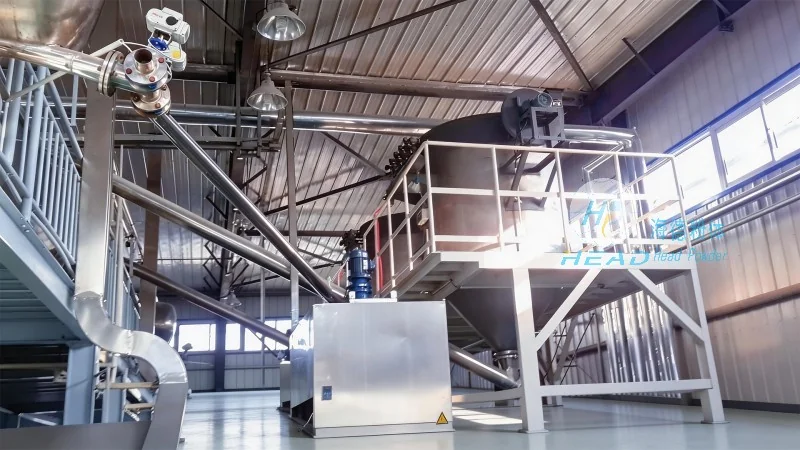
Air-pneumatic conveyors, or pneumatic systems, use compressed air to transport graphite lumps through a pipeline. The material is mixed with air and propelled through the system using fans or blowers. This method is particularly effective for transporting graphite lumps in a dust-free environment, as the material is enclosed within the pipeline. Pneumatic conveyors are highly flexible, allowing for vertical, horizontal, or even inclined transport over long distances. They are also suitable for handling both fine and lump graphite, making them a versatile option for various applications.
The primary advantage of pneumatic conveyors is their ability to transport materials without direct contact, eliminating the need for mechanical parts that can wear out. This results in lower maintenance costs and longer equipment life. The system is also relatively compact and can be integrated into existing facilities with minimal modifications. However, pneumatic conveyors have significant disadvantages. They are energy-intensive, as compressed air requires substantial power to operate. The high air pressure can cause the material to be ejected forcefully, potentially damaging the equipment or causing safety hazards. Additionally, the system may not be suitable for large, heavy graphite lumps, as the air flow may not be sufficient to move them efficiently. Dust control is also critical, as the system can generate high-pressure air that may escape and cause dust exposure.
Comparison and Selection Criteria
When choosing a conveying method for graphite lumps, several factors must be considered to ensure optimal performance and cost-effectiveness. The first criterion is the material's properties, including size, shape, and bulk density. For example, spiral conveyors are better suited for smaller, regular lumps, while belt conveyors are ideal for larger, irregular pieces. The second factor is the production scale and throughput requirements. High-volume applications may require belt or pneumatic conveyors, whereas low-volume operations can use spiral conveyors. The third factor is the available space and layout of the facility. Compact spiral conveyors are suitable for confined spaces, while belt and pneumatic systems may require more room for installation. The fourth factor is the budget and maintenance considerations. Spiral conveyors have lower initial costs but higher maintenance, while belt and pneumatic systems have higher initial costs but lower maintenance. Finally, environmental regulations and safety requirements must be considered, as some methods may generate more dust or pose higher safety risks.
Conclusion: Selecting the Right Conveying Method for Graphite Lumps
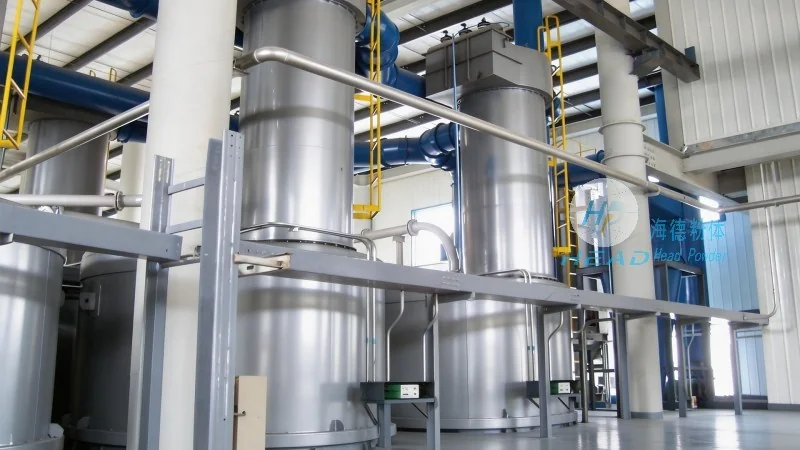
Choosing the appropriate conveying method for graphite lumps is a critical decision that impacts operational efficiency, cost, and safety. Each method has its advantages and disadvantages, and the best choice depends on the specific application and operational requirements. Spiral conveyors offer compactness and simplicity but have limitations in capacity and material handling. Belt conveyors provide high capacity and versatility but require regular maintenance and dust control. Pneumatic conveyors offer dust-free transport and flexibility but are energy-intensive and may not be suitable for large lumps. Industrial operators should carefully evaluate their needs and consult with equipment manufacturers to select the most suitable conveying system.
Shandong HeadPowder Engineering Co., Ltd., a leading provider of graphite processing solutions, specializes in designing and manufacturing customized conveying systems for various industrial applications. With years of experience in the graphite industry, the company understands the unique challenges of handling graphite lumps and offers tailored solutions to meet the specific needs of its clients. Whether you need a compact spiral conveyor for a small-scale operation or a high-capacity belt system for a large production facility, HeadPowder can provide the right equipment to ensure efficient and reliable graphite lumps transport. Contact us today to learn more about our conveying solutions and how we can help optimize your graphite processing operations.




