When it comes to industrial salt handling, selecting the right conveying method is crucial for efficiency, cost-effectiveness, and operational safety. Industrial salt, such as sodium chloride used in de-icing, chemical processing, or food production, requires reliable transportation from storage to processing units. This article provides a detailed comparison of common industrial salt conveying methods, highlighting their advantages and disadvantages to help industrial operators make informed decisions.
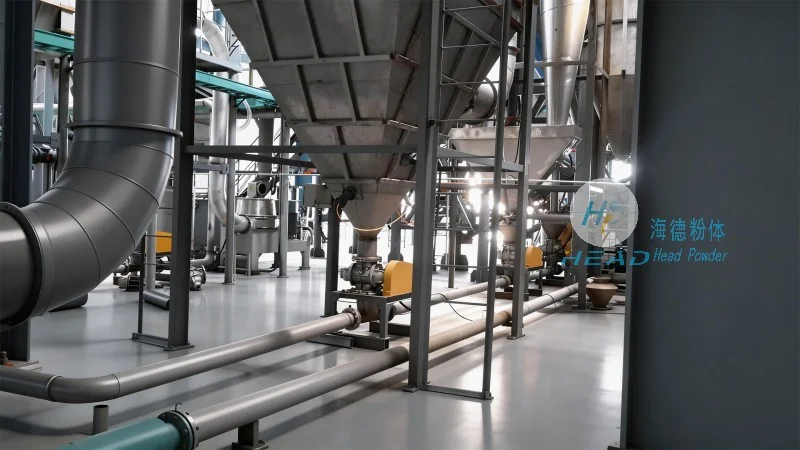
Gravity Conveying: The Simplest and Cost-Effective Option
Gravity conveying, also known as chute or inclined plane conveying, relies on the natural force of gravity to move bulk materials like industrial salt. This method typically involves a sloped pipe or trough that allows the salt to flow downward from a higher to a lower elevation. The primary advantage of gravity conveying is its low operational cost, as it requires minimal energy input and no moving parts. It is ideal for applications where the vertical or horizontal distance between the salt source and the processing area is relatively short, and the material flow is consistent. However, gravity conveying has significant limitations. It is only suitable for materials with a high density and free-flowing characteristics, and it cannot handle steep inclines or long distances. Additionally, the system is prone to blockages if the salt contains clumps or moisture, which can disrupt the flow and require manual intervention. For industrial salt, which may have varying moisture content or occasional agglomerates, gravity conveying may not be the most reliable option. The lack of control over the flow rate also means that it cannot handle sudden changes in demand, making it less suitable for high-volume operations.
Pump Conveying: High-Pressure and Versatile Transport
Pump conveying, particularly using slurry pumps or positive displacement pumps, is a high-pressure method that can transport industrial salt in a liquid or slurry form. This approach involves mixing the salt with water to create a slurry, which is then pumped through pipelines to the processing site. The main advantage of pump conveying is its ability to handle long distances and varying elevations, as the pump can generate sufficient pressure to overcome gravity and friction losses. It is highly versatile and can transport materials with high moisture content or abrasive particles, making it suitable for industrial salt applications where the material may be mixed with brine or other liquids. However, pump conveying has several drawbacks. The high-pressure operation increases energy consumption, leading to higher operational costs over time. The equipment, such as pumps and pipelines, requires regular maintenance to prevent wear and tear from the abrasive nature of industrial salt. Moreover, the system is susceptible to clogging if the slurry contains large particles or debris, which can cause downtime and repair costs. For continuous operations, the need for spare parts and skilled maintenance personnel adds to the overall cost. Additionally, the environmental impact of water usage and potential spills must be considered, as pump conveying often involves liquid media.
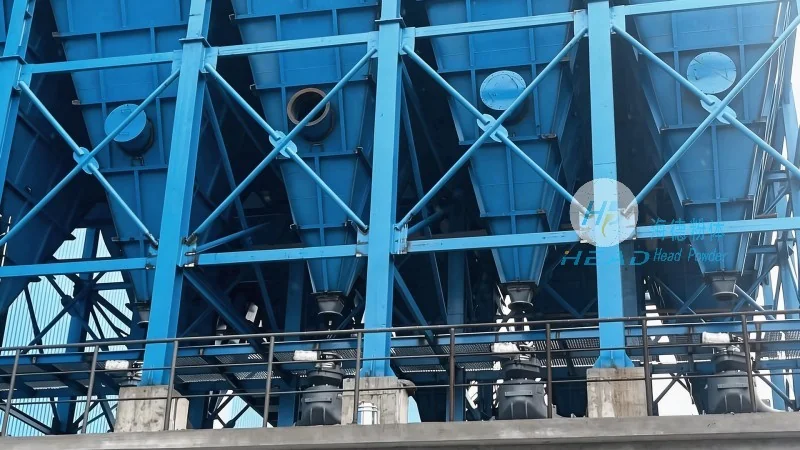
Screw Conveying: Continuous and Controlled Movement
Screw conveying, or auger conveying, uses a rotating screw or helical blade to move industrial salt in a closed or open trough. The screw is typically made of durable materials like stainless steel or high-strength plastic to withstand the corrosive and abrasive properties of industrial salt. This method is known for its continuous and controlled movement, as the screw can maintain a steady flow rate regardless of the material's consistency. The primary advantage of screw conveying is its ability to handle a wide range of materials, including those with high moisture content or sticky properties, which may cause other systems to clog. It is also suitable for vertical or horizontal transport, making it versatile for different industrial setups. However, screw conveying has its limitations. The rotating screw can cause wear and tear on the trough and the screw itself, especially with abrasive industrial salt, leading to higher maintenance costs over time. The system is also less efficient for long distances, as the power required increases with the length of the conveyor. Additionally, the design of the screw and trough must be carefully selected to prevent material buildup or clogging, which may require regular cleaning or adjustments. For industrial salt applications, the screw's speed and pitch must be optimized to avoid agitating the material excessively, which could lead to dust generation or product degradation.
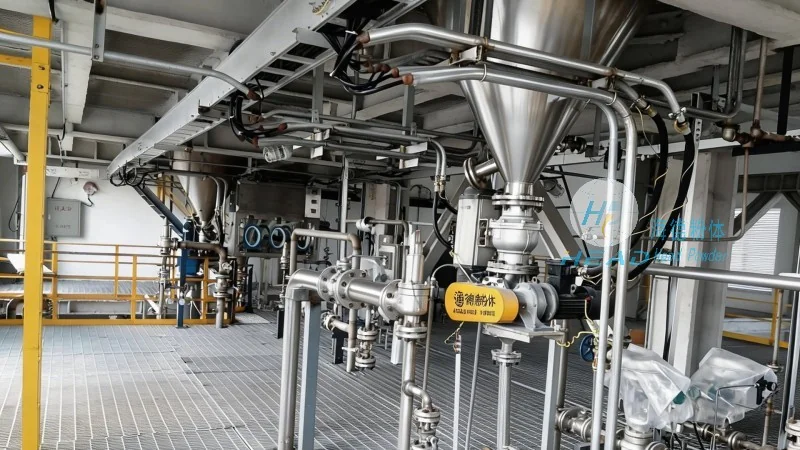
Pneumatic Conveying: Flexible and Dust-Free Transport
Pneumatic conveying uses air or other gases to transport industrial salt in a dry or slurry form through a pipeline system. This method can be either pressure or vacuum-based, depending on the application. The industrial salt is typically fed into the pipeline using a hopper or feeder, and the air flow propels the material to the destination. The main advantage of pneumatic conveying is its flexibility, as it can handle both dry and wet materials, and it can transport the salt over long distances without the need for multiple transfer points. It is also a dust-free method, which is beneficial for maintaining a clean and safe working environment, especially in food processing or pharmaceutical applications where industrial salt is used. However, pneumatic conveying has significant drawbacks. The high air pressure required to move the salt increases energy consumption, making it more expensive than other methods. The system is also prone to material degradation if the air flow is too high or the material is abrasive, as it can cause erosion or wear on the pipeline and components. Additionally, the system may experience pressure drops over long distances, which can reduce the conveying efficiency and require larger air compressors. For industrial salt, which may have varying particle sizes or moisture content, the selection of the right air velocity and pipeline diameter is critical to prevent clogging or material separation. The maintenance of the air filtration system and the pipeline is also essential to ensure consistent performance and prevent dust contamination.
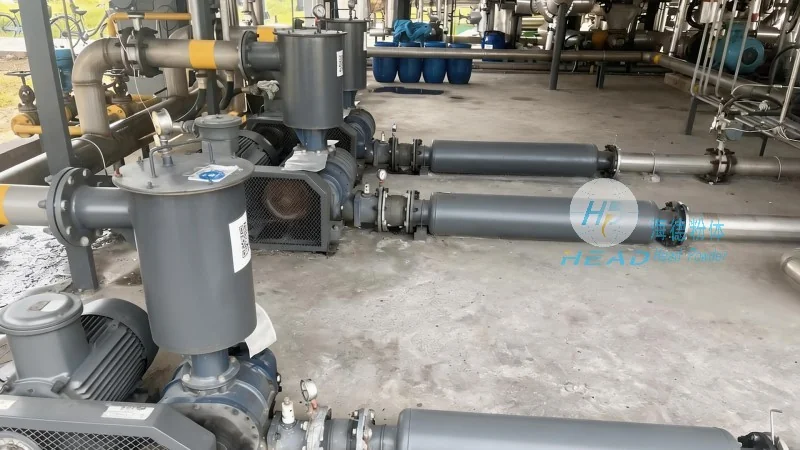
Choosing the Right Conveying Method for Industrial Salt
When selecting a conveying method for industrial salt, several factors must be considered to ensure optimal performance and cost-effectiveness. The first factor is the distance and elevation change between the salt source and the processing unit. For short distances and minimal elevation changes, gravity conveying may be sufficient, but for longer distances or significant vertical movement, pump or pneumatic conveying may be more appropriate. The second factor is the material characteristics, such as moisture content, particle size, and abrasiveness. Industrial salt with high moisture content or large particles may require pump or pneumatic conveying to prevent clogging, while free-flowing salt with low moisture content may be suitable for screw or gravity conveying. The third factor is the operational requirements, including the required flow rate, continuity of operation, and environmental considerations. High-volume operations with continuous demand may benefit from screw or pump conveying, while low-volume or intermittent operations may use gravity or pneumatic conveying. The fourth factor is the cost, including initial investment, operational costs, and maintenance expenses. Gravity conveying has the lowest initial cost, but pump and pneumatic conveying may offer better long-term efficiency for high-volume applications. The fifth factor is the safety and environmental impact, as some methods may pose risks of dust exposure or liquid spills. For example, pneumatic conveying is dust-free, while pump conveying may involve water usage and potential leaks.
HeadPowder Engineering: Expert Solutions for Industrial Salt Conveying
Shandong HeadPowder Engineering Co., Ltd., a leading provider of industrial processing equipment, specializes in designing and manufacturing customized conveying systems for industrial salt applications. With years of experience in the industry, HeadPowder Engineering understands the unique challenges of handling industrial salt, including its corrosive and abrasive properties, varying moisture content, and the need for efficient and reliable transport. The company offers a range of conveying solutions, including gravity chutes, screw conveyors, slurry pumps, and pneumatic systems, tailored to meet the specific requirements of each client. Whether the application involves short-distance transport, long-distance delivery, or high-volume processing, HeadPowder Engineering provides expert consultation and engineering services to select the most suitable conveying method. The company's team of engineers and technicians work closely with clients to assess their operational needs, material characteristics, and budget constraints, ensuring that the chosen system maximizes efficiency, minimizes downtime, and reduces maintenance costs. HeadPowder Engineering also provides maintenance and support services to ensure the long-term performance of the conveying systems, including regular inspections, component replacement, and troubleshooting. By partnering with HeadPowder Engineering, industrial operators can benefit from the company's expertise and experience, ensuring that their industrial salt conveying systems operate at peak performance and meet all safety and environmental standards.




