When it comes to industrial processes, the efficient and reliable delivery of additives is crucial for maintaining product quality and operational efficiency. Additives, such as colorants, flavor enhancers, or preservatives, play a vital role in various manufacturing sectors, including food and beverage, pharmaceuticals, and chemical production. The choice of delivery method significantly impacts the overall performance of the production line, affecting factors like consistency, contamination risk, and energy consumption. This article provides a comprehensive comparison of common additive delivery methods, examining their advantages and disadvantages to help industries select the most suitable system for their specific needs.
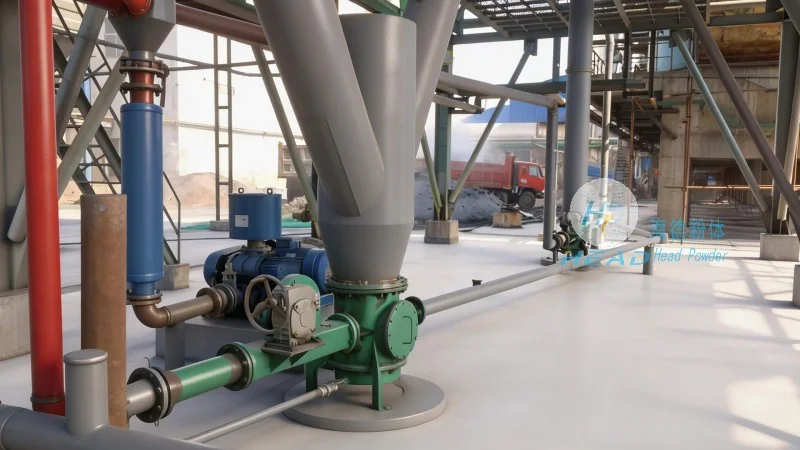
Key Factors to Consider in Additive Delivery
Before delving into specific delivery methods, it is essential to understand the key factors that influence the selection of an additive delivery system. These factors include the physical properties of the additive (e.g., viscosity, particle size, density), the required flow rate, the distance over which the additive must be transported, and the desired level of precision and control. Additionally, considerations such as cost, maintenance requirements, and environmental impact are critical in making an informed decision. By evaluating these factors, manufacturers can align their choice of delivery method with their operational goals and constraints.
Pneumatic Conveying Systems
Pneumatic conveying, also known as air-assisted transport, is a widely used method for transporting powders and granules, including various additives. This system utilizes compressed air to move materials through a pipeline. The primary advantage of pneumatic conveying is its ability to handle a wide range of particle sizes and flow rates, making it suitable for diverse additive applications. It also offers a relatively low risk of product contamination, as the material is enclosed within the pipeline. However, pneumatic conveying has its limitations. One major drawback is the high energy consumption, as it requires significant air pressure to move materials, especially over long distances. Additionally, the system can be susceptible to blockages if the additive contains moisture or is prone to agglomeration. The cost of installation and maintenance can also be higher compared to other methods, particularly for complex or high-capacity systems.
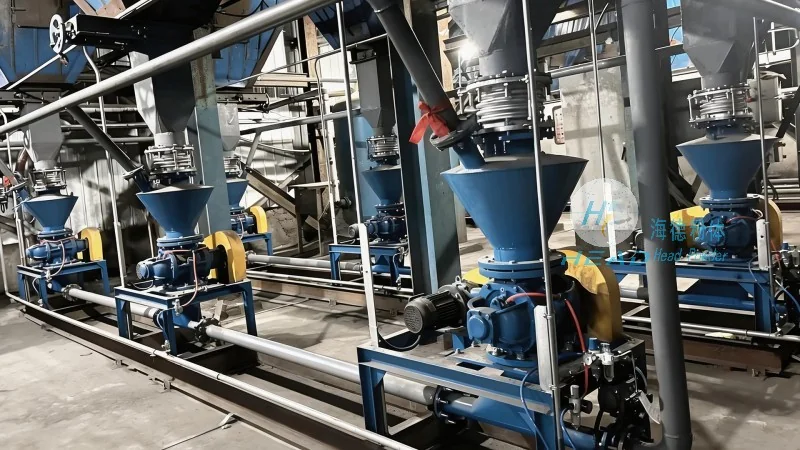
Pump-Based Delivery Systems
Pump-based systems, including positive displacement pumps and centrifugal pumps, are commonly used for liquid additives. These pumps provide consistent flow rates and pressure, ensuring precise dosing of liquids into the production line. A key advantage of pump-based delivery is the ability to handle high-viscosity liquids and maintain a stable flow, which is essential for additives with varying rheological properties. The system also offers good control over the delivery rate, allowing for accurate addition of additives to meet product specifications. However, pump-based systems may face challenges with abrasive or corrosive additives, which can lead to pump wear and increased maintenance costs. Additionally, the risk of contamination is higher compared to pneumatic systems, as the liquid is exposed to the pump components and piping. Proper sealing and cleaning protocols are necessary to mitigate these risks.
Gravity-Based Conveying
Gravity-based conveying, or gravity feed systems, rely on the natural force of gravity to move additives from a storage container to the processing line. This method is simple and low-cost, making it suitable for applications where the additive is stored at a higher elevation than the processing point. The primary advantage of gravity systems is their minimal energy consumption, as they do not require external power sources. They also offer a low risk of mechanical failure, as there are no moving parts involved. However, gravity conveying has significant limitations. The system is only effective for short distances and requires the additive to be stored at a suitable height, which may not be feasible in all production layouts. Additionally, the flow rate is dependent on the head pressure, and any changes in the storage level can affect the delivery consistency. This method is not suitable for additives that require precise control or high flow rates, as the system lacks the ability to adjust flow dynamically.
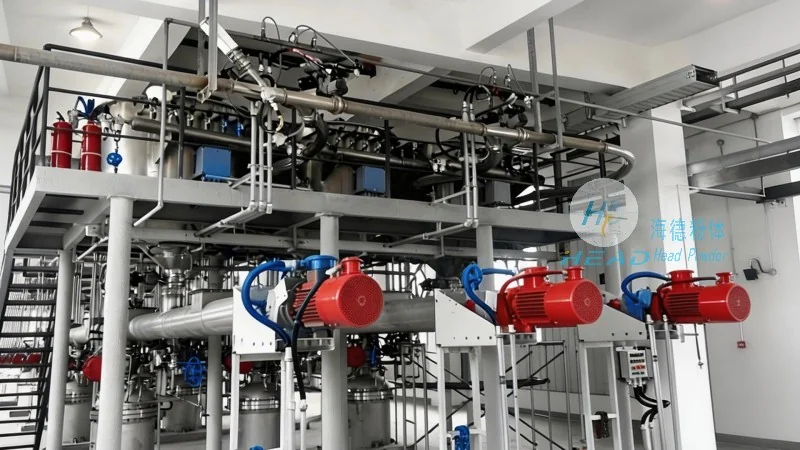
Rotary Valve and Screw Conveyors
Rotary valves and screw conveyors are mechanical systems used for the bulk handling of powders and granules, including additives. These systems utilize rotating components to move materials through a closed pipe. The primary advantage of rotary valves is their ability to provide a controlled and consistent flow rate, even under varying pressure conditions. They are also relatively simple to operate and maintain, with fewer moving parts compared to other mechanical systems. Screw conveyors, on the other hand, are effective for transporting materials with higher bulk densities and can handle a wider range of particle sizes. However, both systems have limitations related to material handling. The risk of product degradation due to friction and heat generation is a concern, especially for heat-sensitive additives. Additionally, the system can be prone to blockages if the additive contains moisture or is prone to agglomeration. Proper cleaning and maintenance are essential to prevent clogging and ensure smooth operation.
Comparison Summary
When comparing the common additive delivery methods, it is clear that no single system is universally superior. The choice of method depends on the specific characteristics of the additive and the operational requirements of the production line. Pneumatic conveying offers flexibility and low contamination risk but at a higher energy cost. Pump-based systems provide precise control for liquids but with higher maintenance and contamination risks. Gravity systems are cost-effective and energy-efficient but limited by distance and flow rate. Mechanical systems like rotary valves and screw conveyors offer controlled flow but with potential for material degradation and blockages. Manufacturers should conduct a thorough evaluation of their needs, considering factors such as additive properties, flow rate, distance, and cost, to select the most appropriate delivery method.




