Efficient and reliable conveying of white bean flakes is a critical aspect in the processing and handling of agricultural products. The choice of conveying method significantly impacts operational efficiency, cost, and product quality. This article provides a detailed comparison of common white bean flake conveying methods, focusing on their advantages and disadvantages to help industry professionals make informed decisions.
Introduction to White Bean Flake Conveying
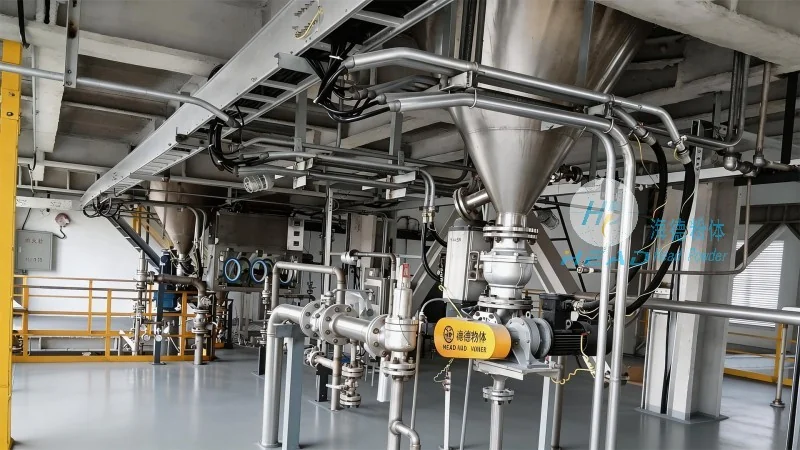
White bean flakes, a popular ingredient in various food products, require specialized handling to maintain their quality and integrity. Conveying systems must be designed to minimize breakage, contamination, and energy consumption. The selection of a conveying method depends on factors such as the processing scale, distance, terrain, and budget. Common methods include gravity conveyors, mechanical conveyors (like belt and screw conveyors), and pneumatic (air) conveyors. Each method has unique characteristics that make it suitable for specific applications.
1. Gravity Conveyors: Simple and Cost-Effective
Gravity conveyors utilize the natural force of gravity to move white bean flakes from one point to another. These systems typically consist of inclined chutes or troughs that allow the product to slide down under the influence of gravity. They are often used for short to medium distances and gentle slopes, making them ideal for horizontal or slight incline applications. A key advantage of gravity conveyors is their low initial cost and minimal energy consumption, as they do not require motors or external power sources. This makes them an attractive option for small-scale operations or where power is limited.
However, gravity conveyors have significant limitations. Their effectiveness is highly dependent on the terrain and the angle of the chute. If the slope is too shallow, the product may not move efficiently, leading to bottlenecks. Additionally, they are not suitable for vertical or steep incline applications, as the product may experience excessive friction or breakage. The system also requires regular maintenance to ensure the chute remains clean and free of obstructions, which can affect performance over time. For large-scale operations, gravity conveyors may not be practical due to the need for extensive space and the inability to handle high volumes efficiently.
2. Mechanical Conveyors: High Efficiency and Versatility
Mechanical conveyors, particularly belt and screw conveyors, are widely used in the white bean flake industry due to their high efficiency and ability to handle large volumes. Belt conveyors consist of a continuous belt that moves over rollers or idlers, transporting the product along a fixed path. They are suitable for both horizontal and inclined applications and can cover longer distances compared to gravity conveyors. Screw conveyors, on the other hand, use a rotating screw to push the product forward, making them ideal for vertical or horizontal transport in enclosed systems.
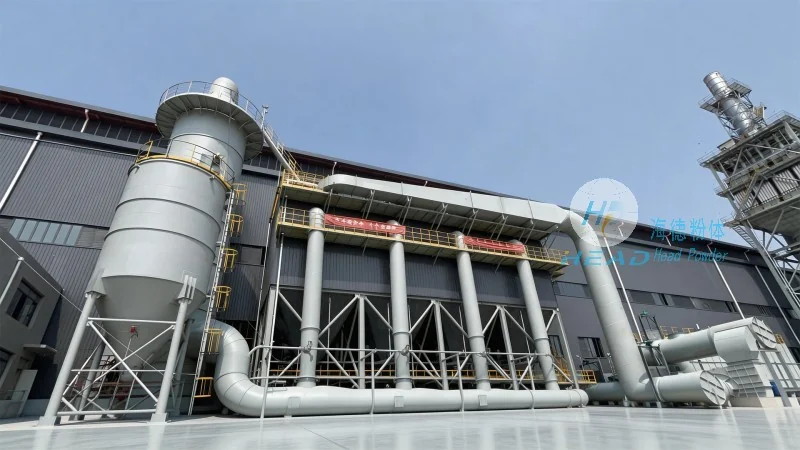
One of the primary advantages of mechanical conveyors is their ability to handle high throughput rates, making them suitable for large-scale processing facilities. They offer consistent and reliable performance, ensuring that the product moves at a steady pace without interruptions. Mechanical conveyors also allow for easy integration with other processing equipment, such as hoppers, mixers, and packaging machines. This integration enhances overall operational efficiency and reduces labor costs.
Despite their benefits, mechanical conveyors have notable drawbacks. They require regular maintenance, including belt tension adjustments, bearing replacements, and cleaning of the conveyor system. This maintenance can be time-consuming and costly, especially for large systems. Additionally, mechanical conveyors can generate significant friction and heat, which may affect the quality of heat-sensitive white bean flakes. The risk of product contamination is also higher with mechanical systems, as the product comes into direct contact with the conveyor components. This can be a concern for food-grade applications where hygiene is paramount.
3. Pneumatic (Air) Conveyors: Flexible and Contamination-Free
Pneumatic conveyors use compressed air to transport white bean flakes through a system of pipes or ducts. The product is carried by the air stream, either in a dilute-phase (where the product is suspended in the air) or dense-phase (where the product is moved in a slurry-like state) manner. This method is particularly useful for applications requiring high flexibility, such as moving the product between different processing stages or locations within a facility.
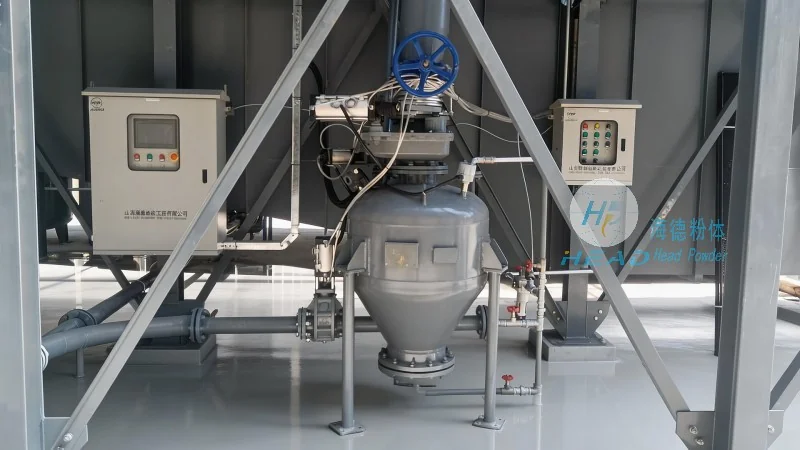
A major advantage of pneumatic conveyors is their ability to handle both dry and wet materials, making them versatile for various processing needs. They are also highly effective in preventing product contamination, as the product is enclosed within the duct system and does not come into contact with external elements. This makes them ideal for food-grade applications where hygiene and product purity are critical. Pneumatic conveyors can also be used for vertical transport, allowing for space-saving designs in processing facilities.
However, pneumatic conveyors have significant disadvantages that limit their use. The most notable is their high energy consumption, as they require powerful compressors to generate the necessary air pressure. This increases operational costs, especially for large-scale operations. Additionally, the system can be prone to blockages if the product contains moisture or foreign particles, leading to system downtime and maintenance issues. The cost of installation is also higher compared to other methods, as it requires specialized ductwork and air handling equipment. Furthermore, the noise generated by the compressors can be a concern in industrial settings, requiring additional noise control measures.
4. Comparative Analysis: Choosing the Right Conveying Method
When selecting a conveying method for white bean flakes, it is essential to consider the specific requirements of the operation. Gravity conveyors are best suited for small-scale, low-volume applications where cost and simplicity are primary concerns. They are ideal for short distances and gentle slopes, but may not be suitable for large-scale or complex processing lines.
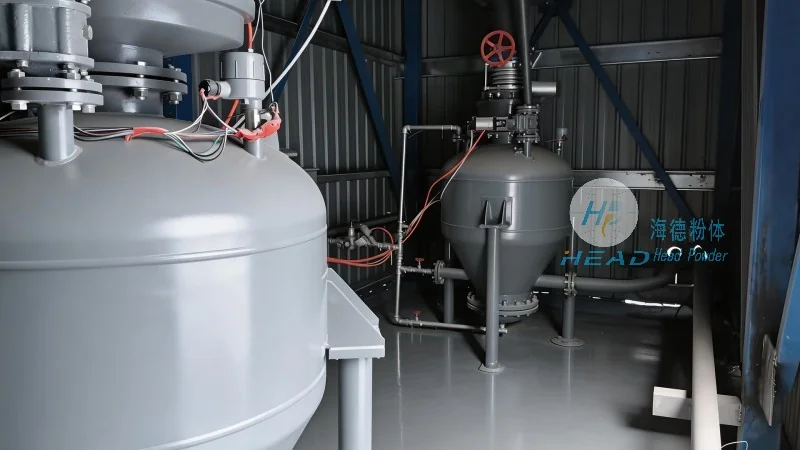
Mechanical conveyors are the preferred choice for medium to large-scale operations, where high throughput and reliability are crucial. They offer consistent performance and easy integration with other equipment, making them a versatile solution for various processing stages. However, their maintenance requirements and potential for product contamination must be carefully managed.
Pneumatic conveyors are most suitable for applications requiring flexibility, hygiene, and vertical transport. They are ideal for food-grade products where contamination prevention is a top priority. Despite their high energy consumption and installation costs, they offer unique advantages that make them a worthwhile investment for specific operations.
Conclusion: Making Informed Conveying Choices
Choosing the right white bean flake conveying method is a critical decision that impacts the efficiency, cost, and quality of the processing operation. By understanding the advantages and disadvantages of each method, industry professionals can select the most suitable option for their specific needs. It is important to consider factors such as processing scale, distance, terrain, and product requirements when making this decision. Consulting with experts, such as Shandong HeadPowder Engineering Co., Ltd., can provide valuable insights and tailored solutions to ensure optimal conveying performance.
Shandong HeadPowder Engineering Co., Ltd., a leading manufacturer based in China, specializes in designing and supplying high-quality conveying systems for agricultural products. With years of experience and a commitment to quality, the company offers customized solutions that meet the unique needs of each client. Whether it's a gravity, mechanical, or pneumatic conveyor system, HeadPowder provides reliable and efficient equipment that enhances operational performance and product quality.




