When it comes to handling polyethylene powder in industrial applications, selecting the right conveying method is crucial for efficiency, cost-effectiveness, and operational safety. Polyethylene powder, widely used in manufacturing processes such as plastic extrusion, injection molding, and compounding, requires reliable and efficient transport from storage to processing equipment. This article provides a detailed comparison of common polyethylene powder conveying methods, highlighting their advantages and disadvantages to help industrial operators make informed decisions.
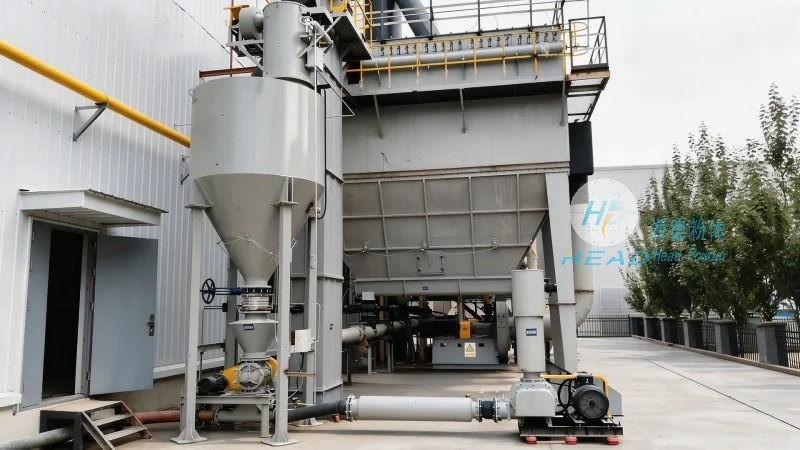
1. Screw Conveyors: Traditional and Versatile Solutions
Screw conveyors, also known as auger conveyors, are among the most traditional and widely used methods for transporting polyethylene powder. These systems consist of a rotating helical screw inside a tube or trough, which moves material forward through gravitational force and the screw's rotation. The primary advantage of screw conveyors is their simplicity and low maintenance requirements. They are particularly effective for horizontal or slightly inclined transport, making them suitable for applications where the powder needs to be moved over short distances or through vertical lifts with minimal pressure drop. Additionally, screw conveyors can handle a wide range of particle sizes and moisture contents, making them versatile for various polyethylene powder types. However, their limitations become apparent in applications requiring high throughput or long-distance transport. The friction between the screw and the material can lead to significant energy consumption, and the system may struggle with abrasive or sticky powders, which can cause wear and reduce efficiency over time. Moreover, screw conveyors are not ideal for transporting powders with high air content or those prone to caking, as these conditions can lead to blockages and operational issues.
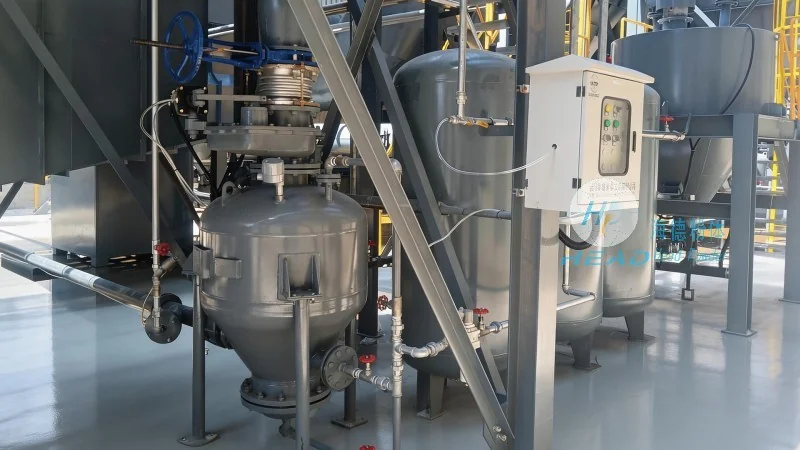
2. Pneumatic Conveying Systems: High-Pressure and High-Volume Transport
Pneumatic conveying systems use air or other gases to transport polyethylene powder through a pipeline network. These systems can be categorized into two main types: pressure and vacuum. Pressure systems use compressed air to push the powder forward, while vacuum systems use a vacuum to pull the material. The primary advantage of pneumatic conveying is its ability to handle high volumes and long distances with minimal material degradation. This method is particularly effective for applications requiring precise control over powder flow, such as in pharmaceutical or food processing industries, where contamination and product quality are critical. Pneumatic systems also offer flexibility in terms of layout, as they can be easily reconfigured to accommodate changes in production processes. However, the disadvantages of pneumatic conveying are significant. The high pressure required for efficient transport increases energy consumption and operational costs. Additionally, the system is susceptible to pressure drops and blockages, especially with powders that have high moisture content or are prone to agglomeration. The cost of maintaining and repairing pneumatic components, such as air compressors and filters, can also be substantial. Furthermore, the system may not be suitable for powders that are highly abrasive or corrosive, as these conditions can lead to premature wear and failure of the conveying lines.
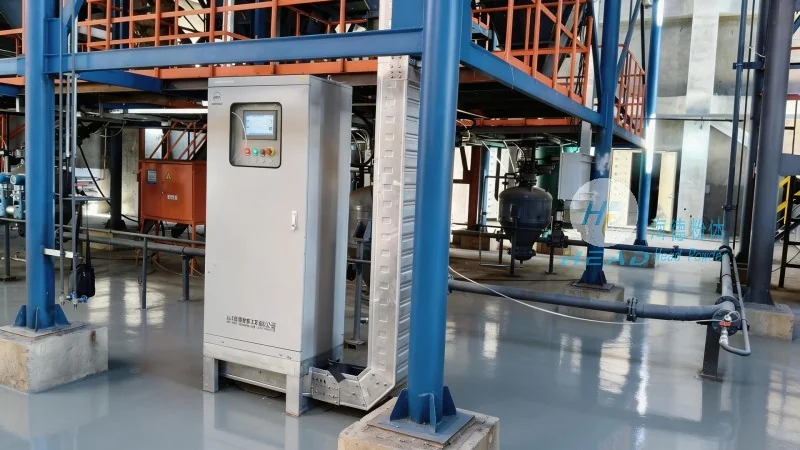
3. Pumping Systems: Liquid-Based Transport for Specialized Applications
Pumping systems, including slurry pumps and hydraulic conveyors, are used for transporting polyethylene powder in a liquid medium. This method is particularly effective for applications where the powder needs to be mixed with a liquid to form a slurry, such as in the production of polyethylene-based composites or coatings. The primary advantage of pumping systems is their ability to handle high viscosities and abrasive materials, which are difficult to transport using other methods. The system can maintain a consistent flow rate and pressure, ensuring reliable transport over long distances. Additionally, pumping systems are relatively simple to operate and maintain, with fewer moving parts compared to pneumatic systems. However, the disadvantages of pumping systems are notable. The use of a liquid medium increases the risk of contamination and requires additional equipment for liquid handling and disposal. The system is also less efficient for transporting dry powders, as the liquid can cause the powder to clump or agglomerate, leading to blockages and reduced throughput. Furthermore, the cost of the liquid medium and the associated equipment can be higher than other conveying methods, making them less economical for applications where the powder is not mixed with a liquid.
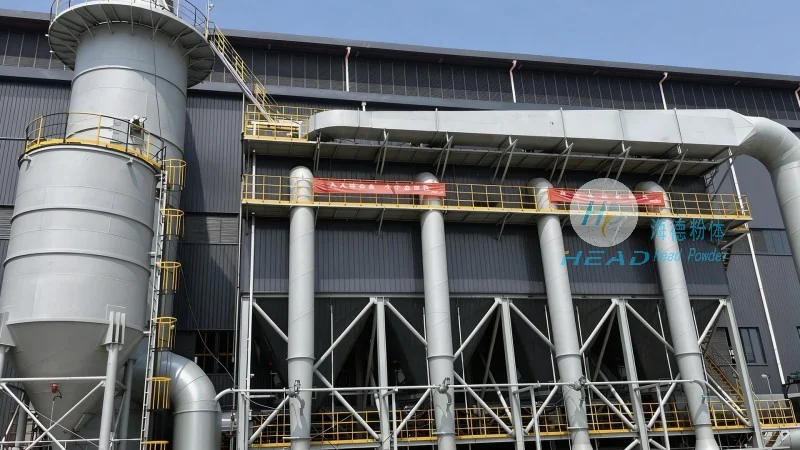
4. Comparison and Selection Criteria
When selecting a polyethylene powder conveying method, several factors must be considered to ensure optimal performance and cost-effectiveness. The first criterion is the required throughput and distance of transport. For short distances and low volumes, screw conveyors may be sufficient, while pneumatic or pumping systems are better suited for high-volume or long-distance applications. The second criterion is the physical properties of the polyethylene powder, such as particle size, moisture content, and abrasiveness. Powders with high moisture content or those prone to caking may require pneumatic or pumping systems with specialized components to prevent blockages. The third criterion is the operational environment and safety requirements. Pneumatic systems may not be suitable in areas with explosive hazards, as the use of compressed air can create sparks. In such cases, screw conveyors or pumping systems with explosion-proof designs may be preferred. The fourth criterion is the cost of installation and maintenance. Screw conveyors have lower initial costs and maintenance requirements, while pneumatic and pumping systems may have higher upfront costs but lower long-term operational costs. Ultimately, the choice of conveying method depends on a combination of these factors, and a thorough analysis of the specific application is necessary to determine the most suitable option.




