When it comes to transporting silica powder, selecting the right conveying method is crucial for efficiency, cost-effectiveness, and operational safety. Silica powder, a widely used material in industries such as construction, electronics, and pharmaceuticals, requires specialized handling due to its fine particle size and potential for dust generation. This article provides a detailed comparison of common silica powder conveying methods, highlighting their advantages and disadvantages to help businesses make informed decisions.
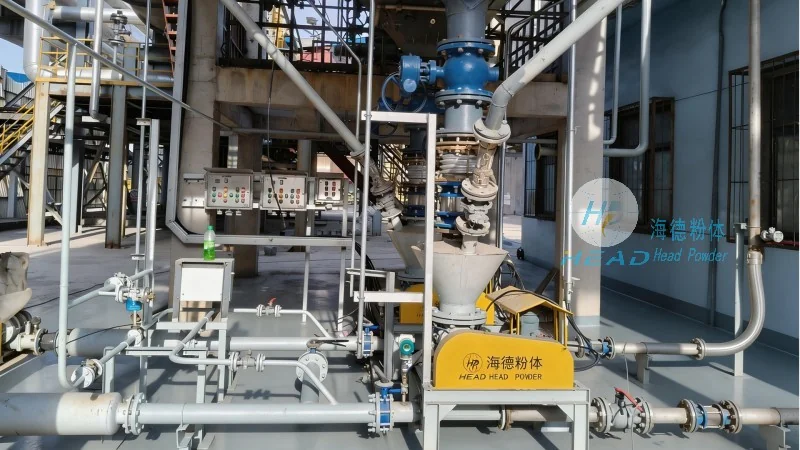
1. Pneumatic Conveying Systems
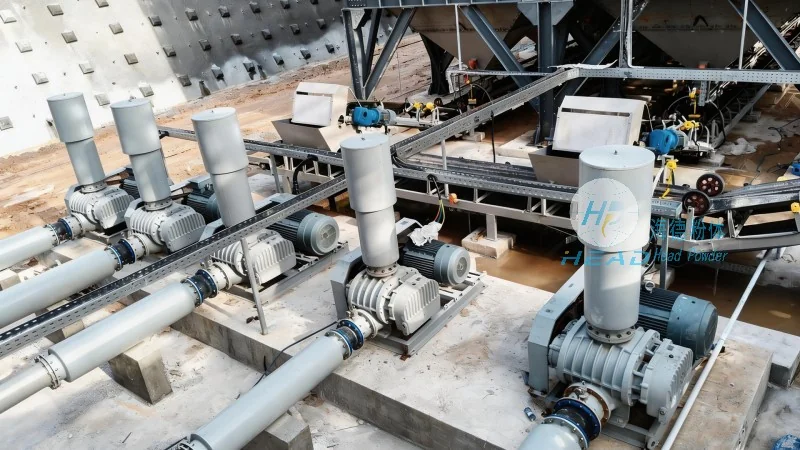
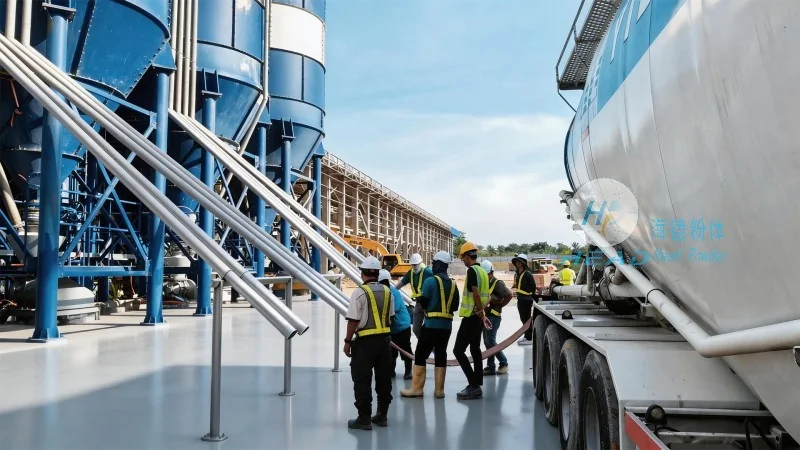
Pneumatic conveying, also known as air conveying, is a popular method for transporting silica powder due to its ability to handle fine powders and minimize dust exposure. This system uses compressed air or gas to move the powder through a pipeline. There are two main types: pressure and vacuum systems. Pressure systems are ideal for short distances and high-volume transport, while vacuum systems are better suited for longer distances or when the material needs to be collected from multiple points.
Advantages of pneumatic conveying include high efficiency, as it can transport materials over long distances without the need for mechanical components at each transfer point. It also offers better dust control compared to other methods, as the powder is contained within the pipeline. Additionally, this method allows for easy integration with other processing equipment, making it suitable for automated production lines.
However, pneumatic conveying has several drawbacks. The initial investment and operating costs can be high due to the need for compressed air systems and energy consumption. Maintenance is also more complex, as it involves regular checks on air filters, pipelines, and air compressors. Furthermore, the system may not be suitable for very fine or cohesive powders, as they can cause blockages or reduce conveying efficiency.
2. Screw Conveyors
Screw conveyors, also known as auger conveyors, are another common method for transporting silica powder. These systems use a rotating screw or auger to move the material along a trough. Screw conveyors are particularly effective for handling bulk materials and can be used in both horizontal and inclined configurations.
The primary advantage of screw conveyors is their simplicity and low maintenance. They require minimal space and are relatively inexpensive to install. Additionally, screw conveyors can handle a wide range of materials, including cohesive or sticky powders, as the screw can break up agglomerates and prevent blockages. They also provide good control over the material flow rate, making them suitable for dosing applications.
Nevertheless, screw conveyors have limitations. They are not suitable for very fine powders, as the small gaps between the screw and the trough can cause material to leak or accumulate. The system is also less efficient for long-distance transport, as the material may experience friction and degradation. Furthermore, screw conveyors can generate dust during operation, especially when handling dry powders, which may require additional dust control measures.
3. Vibrating Conveyors
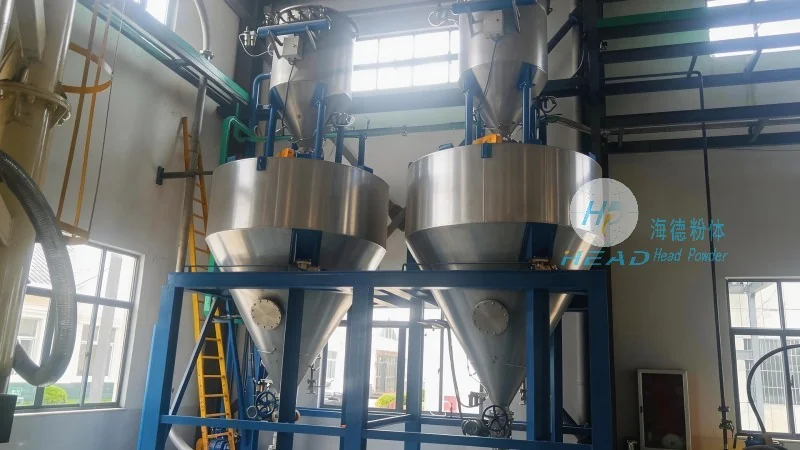
Vibrating conveyors use vibration to move silica powder along a trough. These systems consist of a conveyor bed that is vibrated at a specific frequency and amplitude, causing the material to move forward. Vibrating conveyors are often used for bulk materials and can handle a wide range of particle sizes.
One of the key advantages of vibrating conveyors is their ability to handle sticky or cohesive materials without blockages. The vibration helps to break up agglomerates and maintain a consistent flow. They also offer low maintenance and are relatively energy-efficient compared to other methods. Additionally, vibrating conveyors can be designed for both horizontal and inclined transport, making them versatile for various applications.
However, vibrating conveyors have some disadvantages. They may not be suitable for very fine powders, as the vibration can cause dust to be released into the air. The system also requires regular maintenance of the vibration mechanism and the conveyor bed to prevent wear and tear. Furthermore, the conveying speed is generally lower than that of pneumatic or screw systems, which may affect production throughput in high-volume applications.
4. Belt Conveyors
Belt conveyors are a traditional method for transporting silica powder, particularly in bulk handling applications. These systems use a continuous belt that moves over rollers or idlers to transport the material. Belt conveyors are commonly used in mining, construction, and manufacturing industries.
The main advantage of belt conveyors is their high capacity and ability to transport materials over long distances. They are also relatively inexpensive to install and maintain. Belt conveyors can handle a wide range of materials, including coarse or heavy powders, and can be designed for both horizontal and inclined transport. They also provide good control over the material flow rate, making them suitable for dosing and batching applications.
Despite these benefits, belt conveyors have limitations. They are not suitable for very fine powders, as the belt may cause material to leak or accumulate. The system also requires regular maintenance of the belt and rollers to prevent wear and tear. Furthermore, belt conveyors can generate dust during operation, especially when handling dry powders, which may require additional dust control measures. Additionally, they are less efficient for transporting materials vertically compared to other methods.
5. Comparison Summary
When choosing a conveying method for silica powder, it is essential to consider factors such as material properties, distance, capacity, and cost. Pneumatic conveying is ideal for long-distance transport and fine powders but has high operating costs. Screw conveyors are simple and effective for bulk materials but may not handle very fine powders. Vibrating conveyors are suitable for sticky materials but have lower conveying speeds. Belt conveyors offer high capacity but are less efficient for fine powders and require regular maintenance.
For businesses in the silica powder industry, understanding these differences is crucial for optimizing operations and reducing costs. By selecting the appropriate conveying method, companies can improve efficiency, enhance safety, and ensure consistent product quality. It is recommended to consult with experts, such as Shandong HeadPowder Engineering Co., Ltd., a leading provider of silica powder handling solutions, to determine the best conveying system for specific applications.




