For industrial applications that require the efficient and reliable transport of silicon carbide powder, specialized equipment is essential. This article explores the components, functionality, and design principles of a silicon carbide powder conveying system, providing insights into how such systems are engineered to meet the demands of modern manufacturing processes.
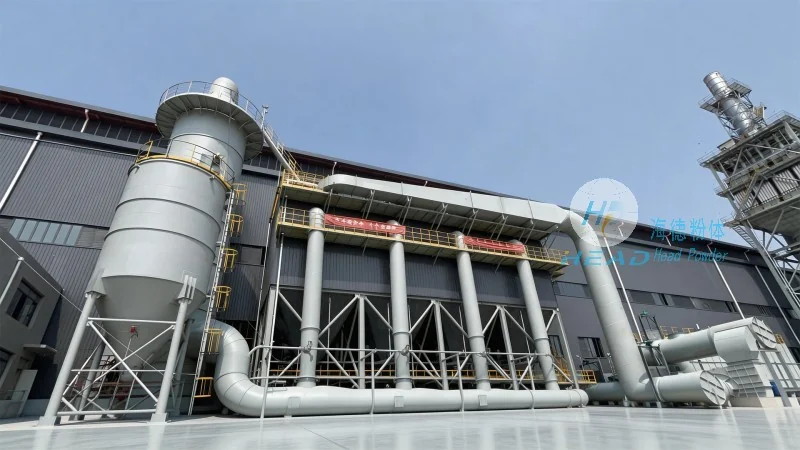
About HeadPowder Engineering Co., Ltd.
HeadPowder Engineering Co., Ltd., a leading manufacturer based in Shandong, China, specializes in the design and production of advanced powder handling equipment. With a focus on precision engineering and customer-centric solutions, the company has established itself as a trusted partner for industries relying on high-performance material transport systems.
Key Components of a Silicon Carbide Powder Conveying System
A silicon carbide powder conveying system typically consists of several critical components that work in tandem to ensure smooth material flow. These include feeders, conveyors, control systems, and dust collection units. Each component is carefully selected and integrated to handle the unique properties of silicon carbide, such as its abrasive nature and fine particle size.
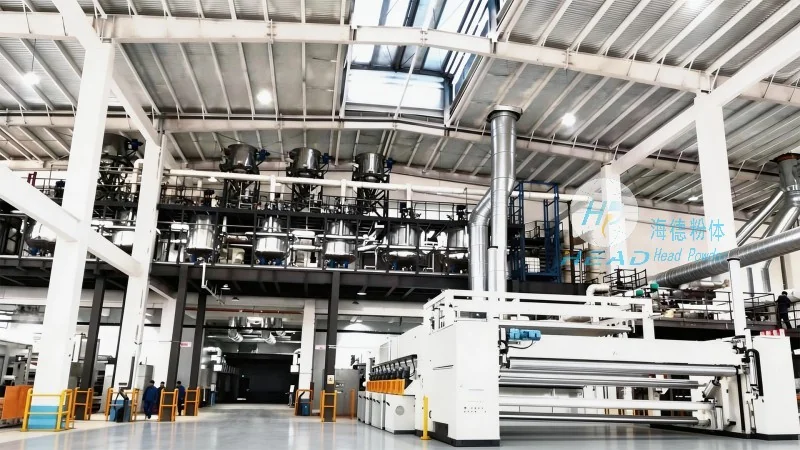
Design Principles for Efficient Material Transport
The design of a silicon carbide powder conveying system is guided by several key principles aimed at maximizing efficiency, minimizing downtime, and ensuring safety. One of the primary considerations is the selection of appropriate materials for the system's construction, as silicon carbide is a highly abrasive material that can wear down standard components over time. Engineers often choose corrosion-resistant and wear-resistant materials, such as stainless steel or specialized alloys, to extend the system's lifespan.
Another critical design principle is the optimization of the conveying process. This involves selecting the right type of conveyor, such as pneumatic or mechanical systems, based on the specific characteristics of the powder and the application requirements. For instance, pneumatic conveying systems are commonly used for fine powders like silicon carbide due to their ability to handle high volumes and minimize particle degradation. The system's design also incorporates features like variable speed drives and pressure control to maintain consistent flow rates and prevent blockages.
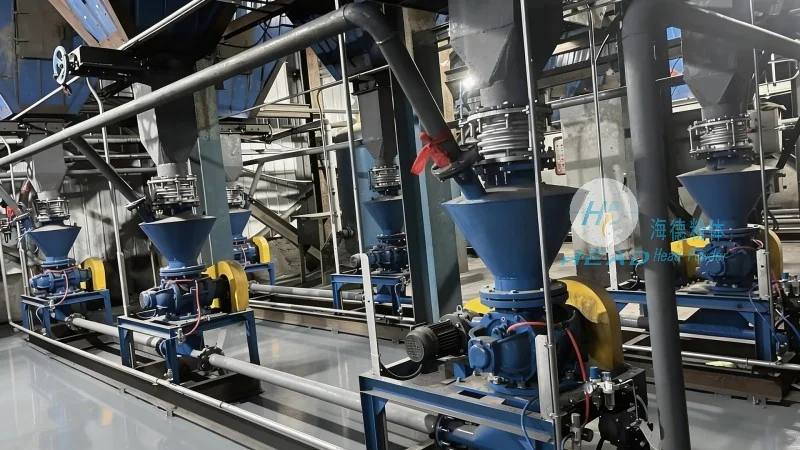
Control and Monitoring Systems
Modern silicon carbide powder conveying systems are equipped with advanced control and monitoring systems that enhance operational efficiency and safety. These systems typically include sensors for measuring flow rates, pressure, and temperature, as well as programmable logic controllers (PLCs) that regulate the operation of the conveyor and other components. Real-time monitoring allows operators to detect and address issues promptly, reducing the risk of system failures and minimizing material loss.
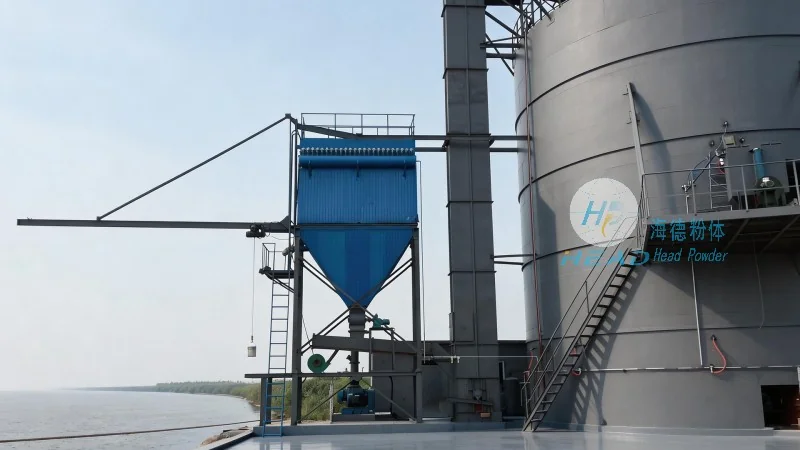
Applications and Industry Use Cases
Silicon carbide powder conveying systems are widely used in various industries, including refractory manufacturing, abrasive tools production, and semiconductor fabrication. In refractory applications, the system ensures the accurate transport of silicon carbide powder to mix with other materials, forming high-quality refractory products. In abrasive tool manufacturing, the system delivers the powder to production lines, where it is used to create grinding wheels and other abrasive tools. The consistent and reliable delivery of silicon carbide powder is crucial for maintaining product quality and meeting production targets.
Advantages of a Well-Designed Conveying System
Investing in a properly designed silicon carbide powder conveying system offers several advantages for industrial operations. Firstly, it improves material handling efficiency by reducing the time and labor required for manual transport. Secondly, it minimizes material loss and contamination, which can impact product quality and increase costs. Additionally, a well-engineered system enhances safety by reducing the risk of dust explosions and other hazards associated with handling fine powders. Finally, the system's durability and low maintenance requirements contribute to long-term cost savings and operational reliability.




