Straw ash material handling refers to the specialized process of managing and transporting the byproduct resulting from the combustion or thermal treatment of straw, a common agricultural waste. This material, known as straw ash, comprises the residual ash left after straw is burned or processed. Efficient handling of straw ash is vital for waste management, resource recovery, and environmental sustainability, especially in regions where straw is a primary agricultural product. Understanding the material handling process and its design principles is essential for optimizing operations and ensuring compliance with environmental regulations.
Key Components of Straw Ash Material Handling Systems
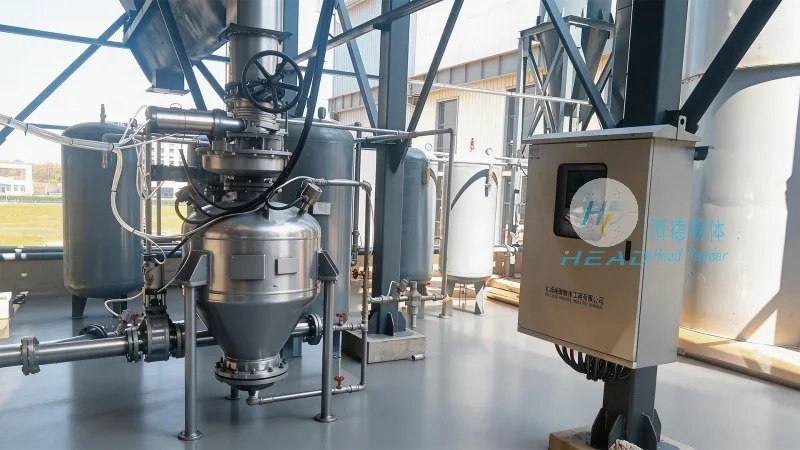
Effective straw ash material handling systems typically consist of interconnected components designed to handle the material from collection to final disposal or reuse. The primary components include collection equipment, conveying systems, storage facilities, and processing units. Collection equipment may involve manual or automated methods to gather straw ash from fields or processing plants. Conveying systems, such as belt conveyors, screw conveyors, or pneumatic conveyors, are used to transport the material from the collection point to the processing or storage area. Storage facilities, often in the form of silos or storage bins, are designed to hold the straw ash until it is transported or further processed. Processing units may include screening, crushing, or mixing equipment to prepare the material for reuse or disposal.
Design Principles for Efficient Straw Ash Handling
The design of straw ash material handling systems follows several key principles to ensure efficiency, safety, and environmental compliance. One of the primary principles is minimizing material loss and contamination during handling. This is achieved through the use of enclosed systems and proper sealing to prevent dust emissions and environmental pollution. Another critical principle is optimizing energy consumption. Modern systems incorporate energy-efficient motors and conveyor designs to reduce operational costs and environmental impact. Additionally, the design must consider the physical properties of straw ash, such as its density, moisture content, and particle size, to select appropriate equipment and system configurations. For example, if the straw ash is fine and dusty, a pneumatic conveyor may be more suitable than a belt conveyor to avoid material buildup and blockages.
Role of Material Handling in Straw Ash Management
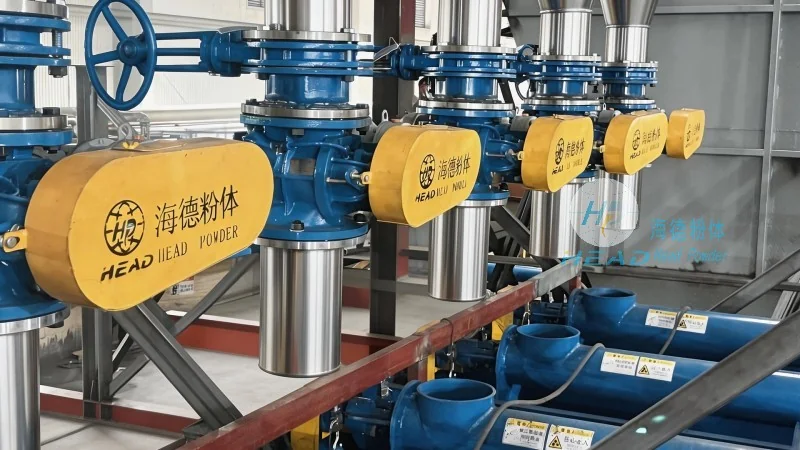
Straw ash material handling plays a vital role in the overall management of agricultural waste. By efficiently collecting and transporting straw ash, agricultural operations can reduce the environmental impact of straw disposal and potentially recover valuable resources from the ash. For instance, straw ash can be used as a soil amendment or fertilizer, providing nutrients to the soil and reducing the need for synthetic fertilizers. The proper handling of straw ash also helps in maintaining the quality of the material for reuse, ensuring that it meets the required standards for agricultural applications. Furthermore, effective material handling systems contribute to the safety of workers by minimizing exposure to dust and other hazards associated with handling loose materials.
Technological Advancements in Straw Ash Handling
Advancements in technology have significantly improved the efficiency and effectiveness of straw ash material handling systems. Automation and control systems now allow for real-time monitoring and adjustment of the handling process, enhancing operational efficiency. Sensors and monitoring equipment can detect changes in material flow, temperature, or moisture content, enabling immediate corrective actions. Additionally, the integration of renewable energy sources, such as solar or wind power, into the material handling systems can reduce the carbon footprint of the operation. These technological advancements not only improve the performance of the systems but also contribute to the sustainability goals of agricultural and industrial operations.
Case Study: Application of Straw Ash Handling by Shandong HeadPowder Engineering Co., Ltd.
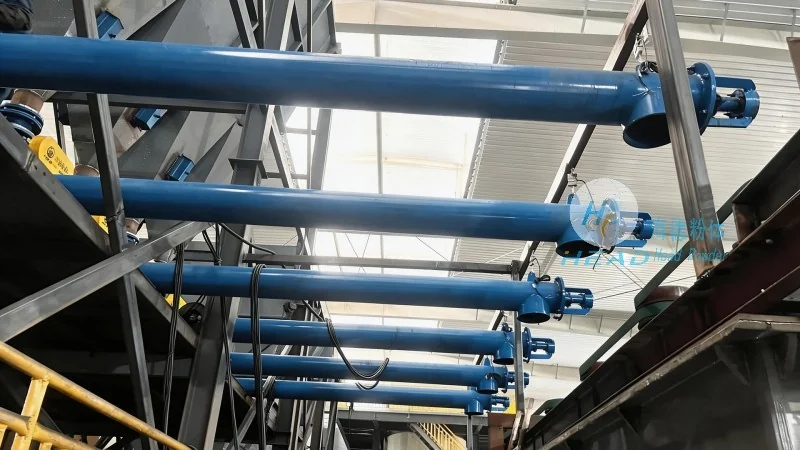
Shandong HeadPowder Engineering Co., Ltd., a leading provider of material handling solutions, has successfully implemented straw ash handling systems in various agricultural and industrial projects. The company specializes in designing and manufacturing customized material handling equipment tailored to the specific needs of its clients. For example, in a project for a large agricultural cooperative in Shandong, China, HeadPowder designed a comprehensive straw ash handling system that included automated collection, conveyor transport, and storage facilities. The system was engineered to handle the high volume of straw ash produced by the cooperative's processing plants, ensuring efficient and safe material transport. The system incorporated energy-efficient conveyors and enclosed storage units to minimize environmental impact and comply with local regulations. The successful implementation of this project demonstrated the effectiveness of HeadPowder's design principles and technological solutions in straw ash management.
Conclusion: The Importance of Proper Straw Ash Material Handling
In conclusion, straw ash material handling is a critical aspect of agricultural and industrial operations that involves the efficient collection, transport, and management of straw ash. The design principles and technological advancements in this field have significantly improved the efficiency and sustainability of straw ash handling systems. By understanding the key components and design principles, operations can optimize their material handling processes, reduce environmental impact, and potentially recover valuable resources from straw ash. Companies like Shandong HeadPowder Engineering Co., Ltd. play a vital role in providing the necessary expertise and equipment to implement effective straw ash handling solutions, contributing to the overall sustainability of agricultural and industrial activities.




