Sanding powder material handling is a critical process in industrial applications, particularly in the manufacturing and processing of abrasive materials. This process involves the efficient movement, storage, and distribution of sanding powders, which are essential components in various surface finishing operations. The effectiveness of material handling systems directly impacts production efficiency, product quality, and operational costs. In this article, we will explore the fundamental aspects of sanding powder material handling and delve into the key design principles that underpin these systems.
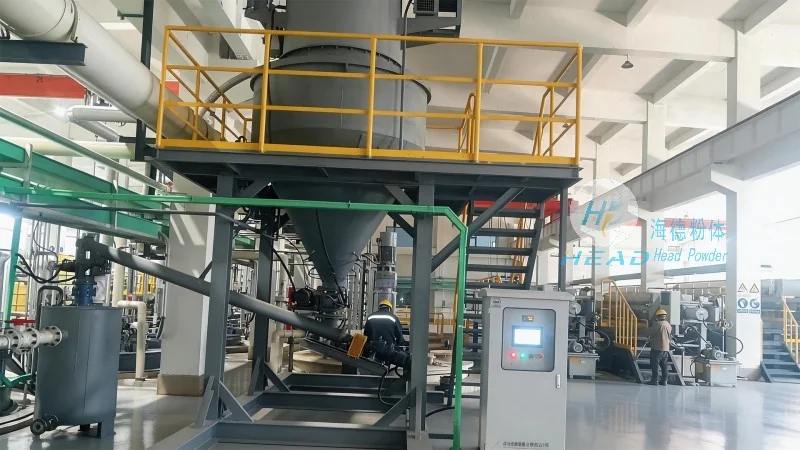
The Role of Sanding Powder Material Handling in Industrial Operations
Before diving into the design principles, it's important to understand the significance of sanding powder material handling. Sanding powders, such as aluminum oxide, silicon carbide, or garnet, are used in applications ranging from metalworking to woodworking and automotive finishing. These powders require specialized handling due to their fine particle size, abrasive nature, and potential for dust generation. Proper material handling ensures that these powders are transported without degradation, contamination, or loss, maintaining their performance characteristics for downstream processes.
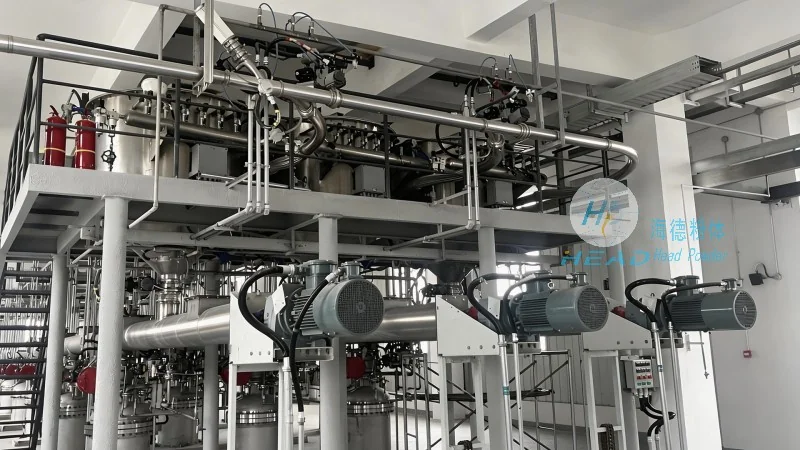
Key Design Principles for Sanding Powder Material Handling Systems
The design of sanding powder material handling systems is governed by several critical principles that ensure safety, efficiency, and durability. These principles include:
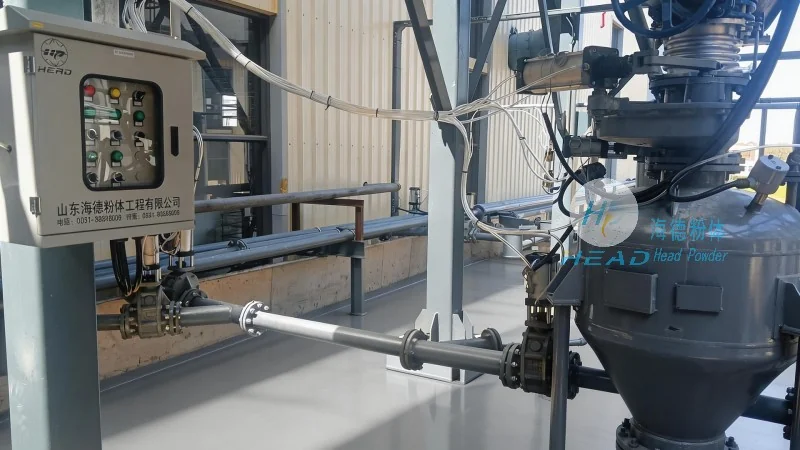
- Containment and Dust Control: Given the fine nature of sanding powders, dust generation is a primary concern. Design principles emphasize the use of sealed systems, dust collection equipment, and proper ventilation to minimize airborne particles and prevent environmental contamination. This not only protects workers from respiratory hazards but also maintains the purity of the powder.
- Material Compatibility: The handling equipment must be compatible with the abrasive properties of sanding powders. Materials like stainless steel, high-density polyethylene, or specialized coatings are often used for components such as hoppers, chutes, and conveyor belts to prevent wear and degradation from the abrasive particles.
- Flow Optimization: Ensuring smooth and consistent flow of the powder is crucial. Design principles involve the use of appropriate hopper angles, smooth surfaces, and minimal obstructions to prevent clogging or uneven flow. This is particularly important for fine powders, which can settle and create bridging issues if not managed properly.
- Energy Efficiency: Modern material handling systems aim to minimize energy consumption while maintaining performance. Design principles may include the use of variable speed drives, efficient conveyor systems, and optimized system layouts to reduce energy costs and improve overall operational efficiency.
- Safety and Ergonomics: The design must prioritize worker safety and ergonomic considerations. This includes features like enclosed systems to prevent exposure to dust, proper guarding on moving parts, and user-friendly controls to minimize the risk of accidents and ensure comfortable operation.
Components of a Typical Sanding Powder Material Handling System
A typical sanding powder material handling system consists of several interconnected components, each playing a vital role in the overall process. These components include:
- Feed Hopper: The feed hopper is the primary container for storing the sanding powder. It is designed to hold a sufficient quantity of material to support continuous operation and is equipped with a discharge mechanism to control the flow rate.
- Conveying System: The conveying system is responsible for transporting the sanding powder from the hopper to the processing equipment or storage areas. Common types include screw conveyors, belt conveyors, and pneumatic conveying systems, each with its own advantages and limitations depending on the application.
- Dust Collection System: To manage dust and maintain a clean environment, a dust collection system is often integrated. This may include filters, cyclones, or other separation devices that capture airborne particles and return them to the system or safely dispose of them.
- Control and Monitoring Systems: Modern systems incorporate control panels and monitoring equipment to regulate the flow rate, detect blockages, and provide real-time data on system performance. This allows for proactive maintenance and optimization of the material handling process.
Applications and Benefits of Effective Sanding Powder Material Handling
Effective sanding powder material handling systems are widely used in various industries, including manufacturing, automotive, woodworking, and metalworking. The benefits of such systems extend beyond just efficient material movement and include:
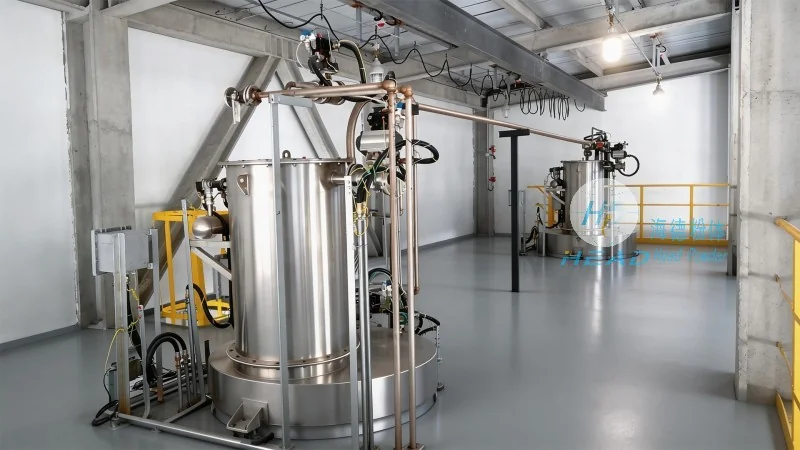
- Improved Product Quality: By maintaining the purity and consistency of the sanding powder, material handling systems ensure that the final products meet quality standards and have consistent surface finishes.
- Enhanced Safety: Proper containment and dust control reduce the risk of respiratory diseases and other health hazards associated with handling fine powders.
- Cost Reduction: Efficient systems minimize material loss, reduce energy consumption, and lower maintenance costs, leading to overall cost savings for the operation.
- Increased Operational Efficiency: Streamlined material handling processes reduce downtime and improve production throughput, allowing businesses to meet demand more effectively.
Conclusion
Sanding powder material handling is a complex but essential aspect of industrial operations, requiring careful consideration of design principles and system components. By adhering to principles such as dust control, material compatibility, and flow optimization, businesses can develop efficient and safe material handling systems that enhance productivity and product quality. Companies like Shandong HeadPowder Engineering Co., Ltd., based in China, specialize in providing tailored material handling solutions for abrasive materials, including sanding powders, ensuring that clients can achieve optimal performance and operational efficiency in their processes.




