Grain handling is a critical process in the agricultural and food processing industries, involving the movement of bulk materials from one location to another efficiently and safely. Various methods are employed for grain transportation, each with its own set of characteristics and applications. Among these, pneumatic conveying systems have emerged as a preferred solution for many operations due to their unique advantages. This article provides an overview of different grain handling methods and focuses on the benefits and features of pneumatic conveying technology.
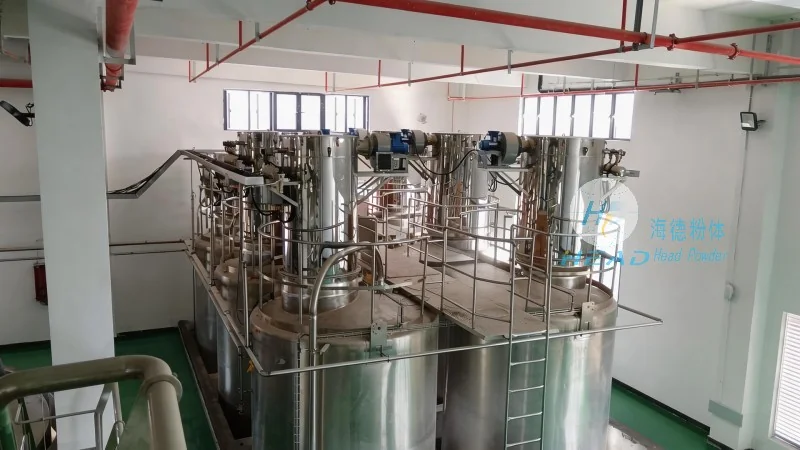
Introduction to Grain Handling Methods
Grain handling encompasses a range of techniques used to transport, store, and process grains such as wheat, corn, rice, and soybeans. Traditional methods include mechanical conveyors like belt conveyors, screw conveyors, and bucket elevators. These systems are widely used in bulk material handling but have limitations in terms of flexibility, cost, and operational efficiency. In contrast, pneumatic conveying systems offer a more modern and versatile approach to grain transport.
Pneumatic Conveying Systems: How They Work
Pneumatic conveying, also known as air conveying, utilizes compressed air to move bulk materials through a pipeline. The system typically consists of a hopper, a conveyor line, and a receiver. The grain is fed into the hopper, and as compressed air is introduced, it creates a flow that propels the material through the pipeline to the desired destination. This process can be either positive pressure (where air pushes the material) or negative pressure (where air pulls the material). The choice between these methods depends on the specific application and the distance the grain needs to travel.
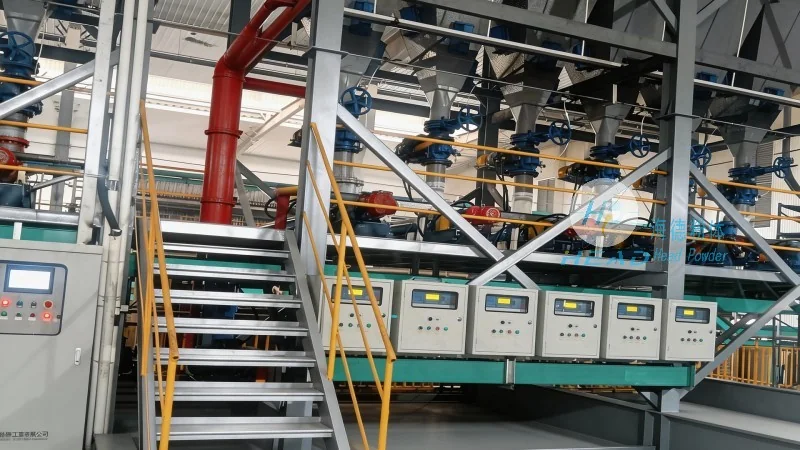
Advantages of Pneumatic Conveying for Grain Handling
One of the primary advantages of pneumatic conveying systems is their ability to handle a wide variety of grain types and sizes without the need for additional processing. The system can transport dry, wet, or even sticky grains, making it versatile for different agricultural products. Additionally, pneumatic conveying is highly efficient in terms of energy consumption compared to mechanical systems. The use of compressed air allows for a more uniform and controlled flow, reducing the risk of material degradation or breakage.
Another key benefit is the flexibility of the system. Pneumatic conveying can be easily integrated into existing facilities or adapted to new layouts, allowing for changes in the production process without significant modifications. The system can also handle long distances and multiple transfer points, making it suitable for large-scale operations. Furthermore, the enclosed pipeline design helps in maintaining the quality of the grain by protecting it from dust, moisture, and contamination, which is crucial for food safety and product integrity.
Key Features of Pneumatic Conveying Systems
Shandong HeadPowder Engineering Co., Ltd., a leading manufacturer in the field, specializes in designing and manufacturing high-quality pneumatic conveying systems tailored to the needs of the grain industry. Their systems are engineered to provide reliable and efficient grain transport solutions. The company's expertise lies in the development of customized solutions that meet specific operational requirements, ensuring optimal performance and durability.
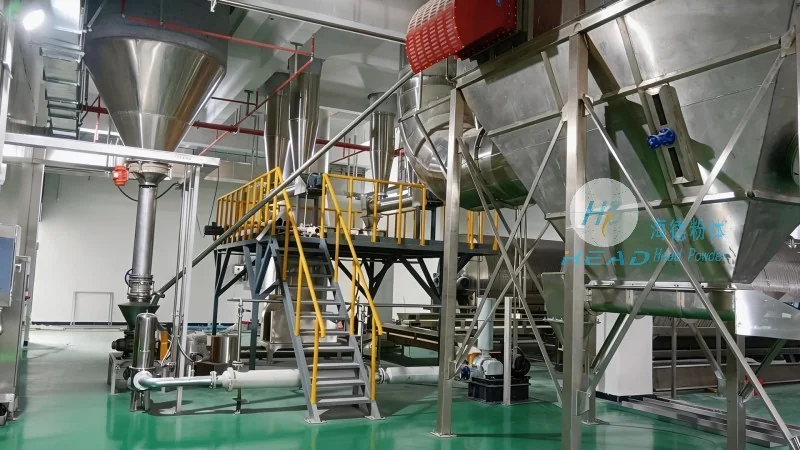
Key features of their pneumatic conveying systems include robust construction to withstand the rigors of continuous operation, advanced control systems for precise material flow management, and energy-efficient designs that reduce operational costs. The systems are also equipped with safety features to prevent accidents and ensure compliance with industry standards. Shandong HeadPowder Engineering Co., Ltd. emphasizes quality and reliability, making their pneumatic conveying systems a trusted choice for grain handling applications.
Conclusion
In conclusion, pneumatic conveying systems represent a modern and efficient solution for grain handling, offering numerous advantages over traditional methods. The ability to handle diverse grain types, maintain product quality, and adapt to various operational needs makes it an ideal choice for industries looking to enhance their material handling processes. With the expertise of companies like Shandong HeadPowder Engineering Co., Ltd., pneumatic conveying technology continues to advance, providing reliable and effective solutions for the agricultural and food processing sectors.




