What Are the Methods of Perlite Conveying? An Overview of the Advantages and Features of Perlite Pneumatic Conveying
Release time:2026-09-10 19:40:25
name of the company:Shandong Headpowder Engineering Co., Ltd.
telephone:156-6277-7102
contacts:Zhang manager
Perlite, a lightweight, porous volcanic glass, is widely used in construction, horticulture, and industrial applications due to its excellent thermal insulation, fire resistance, and lightweight properties. The efficient and reliable transportation of perlite from production sites to end-users is crucial for maintaining product quality and operational efficiency. Various conveying methods are employed in the industry, with each offering distinct advantages based on the specific requirements of the application. This article explores the primary methods of perlite conveying and highlights the key advantages and features of pneumatic conveying, a popular and effective solution for handling perlite materials.
Common Conveying Methods for Perlite
Perlite can be transported using several methods, each with its own set of characteristics and applications. The choice of conveying method depends on factors such as the distance of transport, the volume of material, the required speed, and the environmental conditions. The most common methods include:
- Gravity Conveying: This method relies on the natural force of gravity to move perlite from a higher elevation to a lower one. It is typically used for short distances and when the material is in a loose, free-flowing state. Gravity conveyors, such as chutes or inclined pipes, are simple and low-cost solutions but are limited by the slope and the material's angle of repose.
- Mechanical Conveying: Mechanical systems, including belt conveyors, screw conveyors, and bucket elevators, are widely used for transporting perlite. These systems are effective for handling larger volumes and over longer distances compared to gravity methods. Belt conveyors are particularly suitable for transporting loose materials over horizontal or slightly inclined paths, while screw conveyors are ideal for vertical or inclined transport in confined spaces. Bucket elevators are used for vertical transport, often in industrial settings where high capacity and vertical lifting are required.
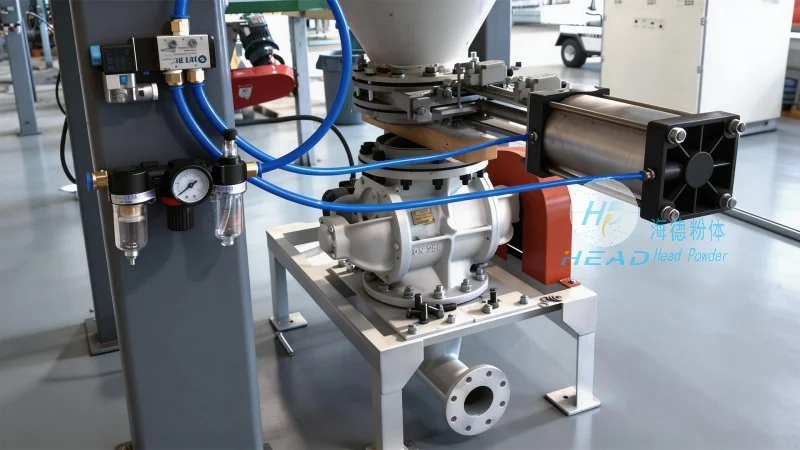
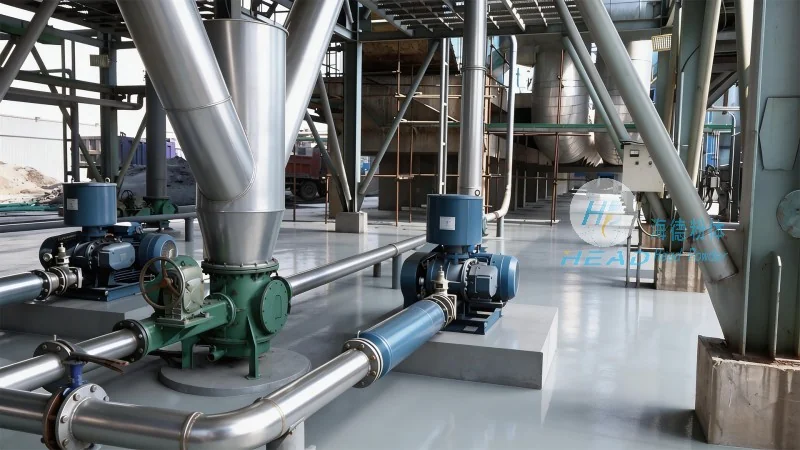
- Pneumatic Conveying: Pneumatic conveying, also known as air conveying, uses compressed air or gas to transport perlite particles through a pipeline. This method is particularly effective for handling fine or dusty materials like perlite, as it minimizes dust generation and provides a clean, enclosed transport system. Pneumatic conveying systems can be classified into two main types: pressure and vacuum systems. Pressure systems use compressed air to push the material through the pipeline, while vacuum systems use a vacuum to draw the material into the system.
The Advantages of Perlite Pneumatic Conveying
Pneumatic conveying offers several advantages over traditional mechanical or gravity methods, making it a preferred choice for many perlite handling applications. The key benefits include:
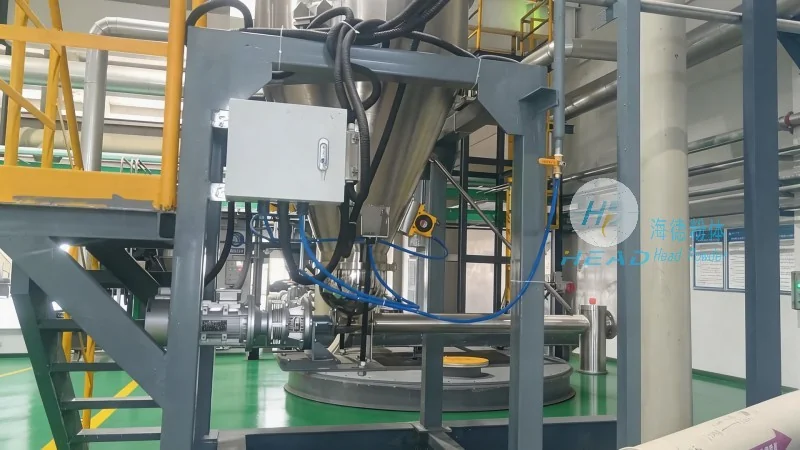
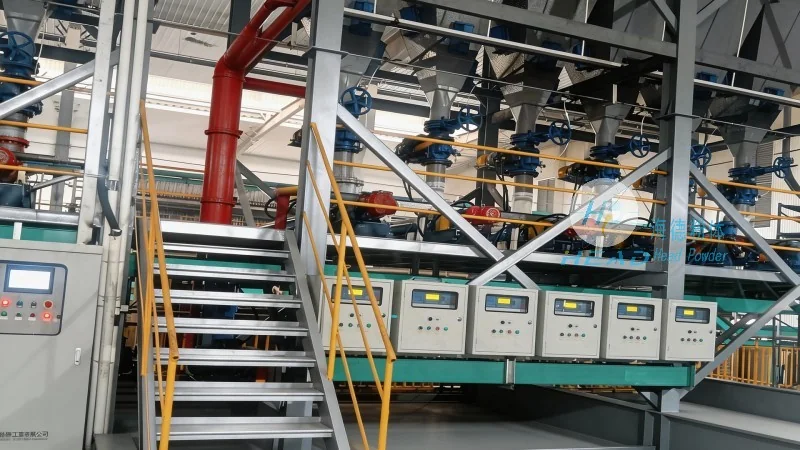
- Efficient Material Handling: Pneumatic systems can transport perlite over long distances with minimal energy consumption compared to mechanical systems. The use of compressed air allows for continuous and uniform flow, ensuring consistent material delivery to the destination.
- Reduced Dust and Contamination: Unlike mechanical conveyors, which can generate significant dust and cause contamination, pneumatic conveying keeps the material enclosed within the pipeline. This helps maintain product purity and reduces the risk of dust-related health hazards and environmental issues.
- Flexibility and Versatility: Pneumatic conveying systems can be easily adapted to different layouts and configurations, allowing for changes in the transport route or capacity without major modifications. The system can handle both dry and slightly moist perlite, making it suitable for a wide range of applications.
- Low Maintenance and Operational Costs: Compared to mechanical systems, pneumatic conveying systems require less maintenance as there are fewer moving parts. The absence of belts, chains, or buckets reduces the risk of wear and tear, leading to lower operational costs over the long term.
- Improved Safety and Environmental Compliance: Enclosed pneumatic systems prevent dust emissions, reducing the risk of respiratory problems for workers and minimizing the impact on the environment. This compliance with environmental regulations is increasingly important for industrial operations.
About Shandong HeadPowder Engineering Co., Ltd.
Shandong HeadPowder Engineering Co., Ltd., operating under the brand name HeadPowder, is a leading manufacturer and supplier of advanced material handling solutions, including pneumatic conveying systems for perlite and other lightweight materials. With a strong commitment to quality and innovation, HeadPowder specializes in designing and manufacturing customized conveying systems that meet the specific needs of clients in various industries. The company's headquarters is located in Shandong, China, where it leverages local expertise and resources to deliver reliable and efficient solutions for material transport. HeadPowder's products are known for their durability, efficiency, and compliance with international standards, making them a trusted choice for businesses seeking to optimize their material handling processes.




