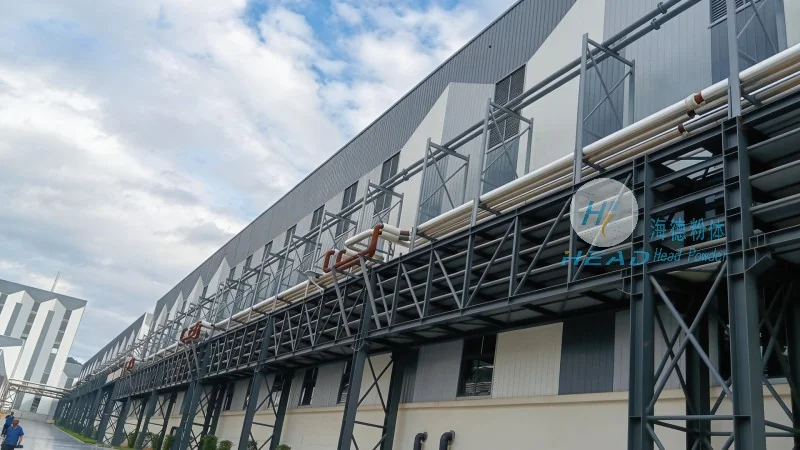
Resin powder, a critical material in various industrial applications, requires efficient and reliable conveying methods to ensure smooth production processes. Among the various options available, pneumatic conveying stands out as a preferred solution for many manufacturers. This article provides an overview of different resin powder conveying methods, with a focus on the advantages and features of pneumatic conveying, as presented by Shandong HeadPowder Engineering Co., Ltd., a leading provider in the field.
Introduction to Resin Powder Conveying
Resin powders are widely used in sectors such as coatings, adhesives, and composites. The effective transport of these powders from storage to processing units is essential for maintaining production efficiency and product quality. Traditional methods like manual handling or mechanical conveyors have limitations, especially when dealing with fine or abrasive powders. Pneumatic conveying offers a more sophisticated approach to address these challenges.
Common Conveying Methods for Resin Powders
Several methods are employed for resin powder transport, each with its own set of applications and limitations. Mechanical conveyors, including screw conveyors and belt conveyors, are widely used for bulk material handling. However, they may not be suitable for fine powders due to the risk of clogging and material degradation. Vacuum systems, another option, use suction to move powders, but they often have lower capacity and may not handle abrasive materials effectively. In contrast, pneumatic conveying systems utilize air pressure to transport powders, offering a more versatile solution.
Pneumatic Conveying: Advantages and Features
Pneumatic conveying for resin powders offers several key advantages that make it a preferred choice for many industries. One of the primary benefits is the ability to handle fine and abrasive powders without causing damage or degradation. The system uses air to create a low-pressure environment, which allows for gentle transport, reducing the risk of particle breakage. This is particularly important for resin powders, as their quality can be compromised by mechanical stress.
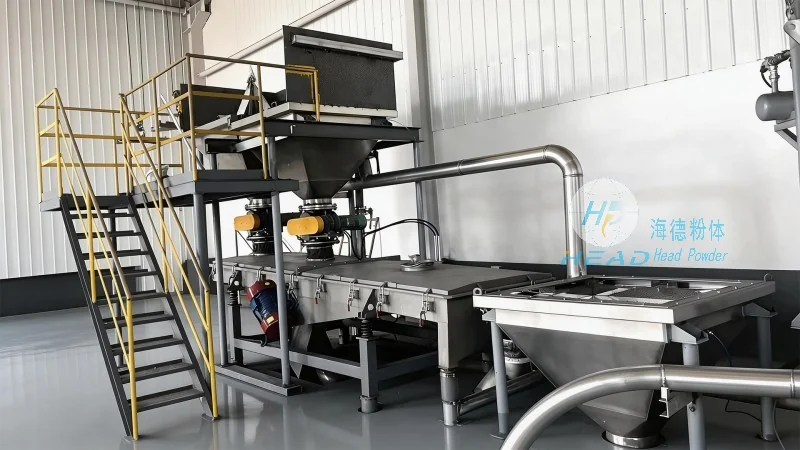
Another significant advantage is the flexibility of pneumatic conveying systems. They can be designed for both low and high-pressure applications, making them suitable for various distances and material characteristics. The systems can also be integrated with other processing equipment, such as mixers and reactors, to create a seamless production line. This integration enhances overall efficiency and reduces the need for manual intervention.
Additionally, pneumatic conveying systems provide better control over the material flow. By adjusting the air pressure and flow rate, operators can precisely control the speed and direction of the powder transport. This level of control is crucial for maintaining consistent product quality and preventing overloading or underloading of processing equipment. The systems also offer better containment, as the powder is enclosed within the conveying line, reducing dust emissions and improving workplace safety.
Key Features of Pneumatic Conveying for Resin Powders
Shandong HeadPowder Engineering Co., Ltd. specializes in the design and implementation of pneumatic conveying systems tailored to the specific needs of resin powder applications. The company's expertise lies in creating customized solutions that optimize material handling while minimizing operational costs. The key features of their pneumatic conveying systems include:
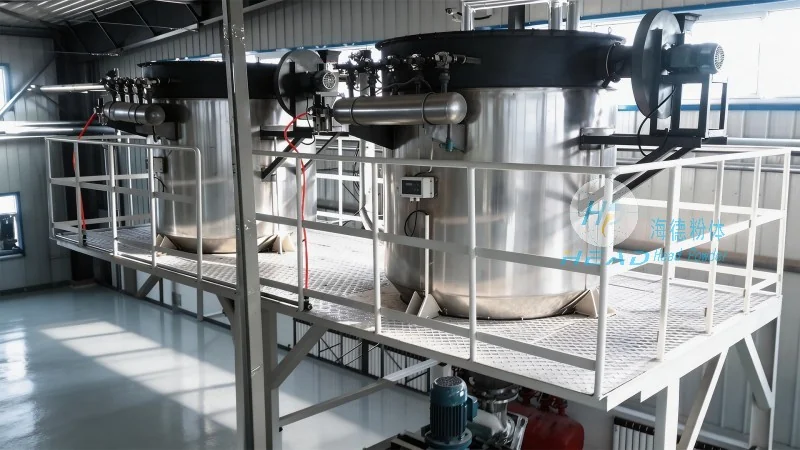
1. Customized Design: Each system is designed based on the specific characteristics of the resin powder, including particle size, density, and flowability. This ensures optimal performance and efficiency.
2. High Efficiency: The systems are engineered to maximize material throughput while minimizing energy consumption. This results in lower operational costs and increased productivity.
3. Low Maintenance: The components used in the conveying systems are durable and designed for long-term operation, reducing the need for frequent maintenance and repairs.
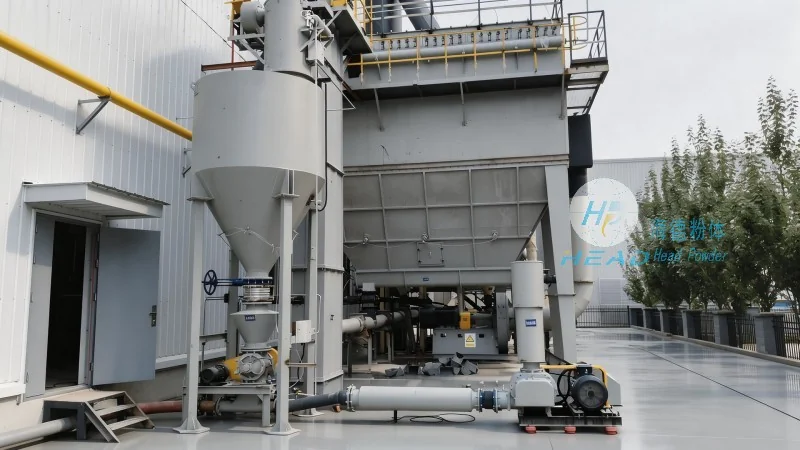
4. Environmental Compliance: The systems are designed to minimize dust emissions and comply with environmental regulations, ensuring a safe and clean working environment.
5. Scalability: The systems can be scaled up or down to accommodate changes in production volume, providing flexibility as businesses grow or adapt to new market demands.
Conclusion
In conclusion, pneumatic conveying is a highly effective method for transporting resin powders, offering numerous advantages over traditional mechanical methods. The ability to handle fine and abrasive materials, combined with flexibility, control, and efficiency, makes it an ideal choice for modern industrial applications. Shandong HeadPowder Engineering Co., Ltd. provides comprehensive solutions for resin powder conveying, ensuring that manufacturers can achieve optimal performance and product quality. By leveraging the advantages of pneumatic conveying, companies can enhance their production processes and maintain a competitive edge in the market.




