When it comes to transporting oat flour, selecting the right conveying method is crucial for maintaining product quality, efficiency, and operational safety. Various options are available, each with its own set of advantages and limitations. This article explores the common methods used for oat flour transport and highlights the benefits of pneumatic conveying as a leading solution.
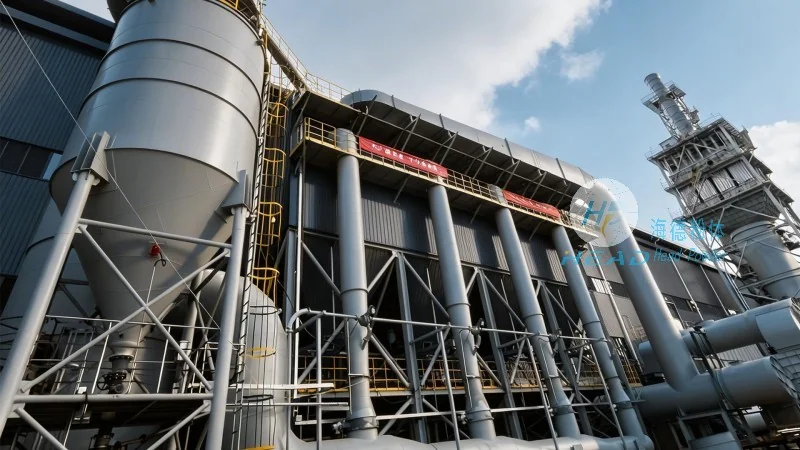
Overview of Oat Flour Conveying Methods
Oat flour, a fine powder with delicate particles, requires specialized handling to prevent degradation, caking, or contamination. Traditional conveying methods such as belt conveyors, screw conveyors, and bucket elevators have been used in the industry, but they may not be ideal for oat flour due to its sensitivity to moisture and the risk of product degradation during transport.
Traditional Conveying Methods and Their Limitations
1. Belt Conveyors: These are widely used for bulk material handling but are not suitable for fine powders like oat flour. The risk of dust accumulation, product segregation, and contamination from external sources makes belt conveyors less effective for oat flour transport.
2. Screw Conveyors: Screw conveyors are effective for transporting dry powders but can cause excessive friction and heat generation, which may affect the quality of oat flour. Additionally, they are prone to clogging and require regular maintenance to prevent material buildup.
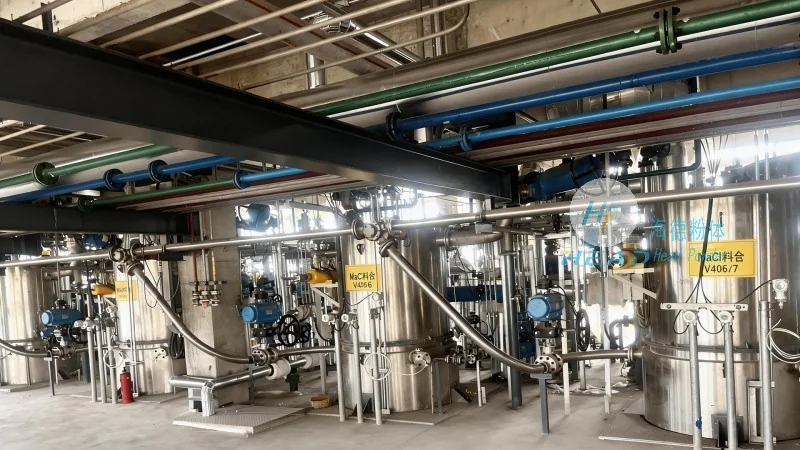
3. Bucket Elevators: Bucket elevators are used for vertical transport of bulk materials, but they may not be suitable for fine powders due to the risk of product degradation and the need for careful control of speed and load to avoid damage.
Pneumatic Conveying: A Superior Solution for Oat Flour
Pneumatic conveying, also known as air conveying, is a method that uses air pressure to transport materials through a pipeline. It is particularly well-suited for transporting fine powders like oat flour due to its ability to handle delicate particles without causing degradation or contamination.
The key advantages of pneumatic conveying for oat flour include:
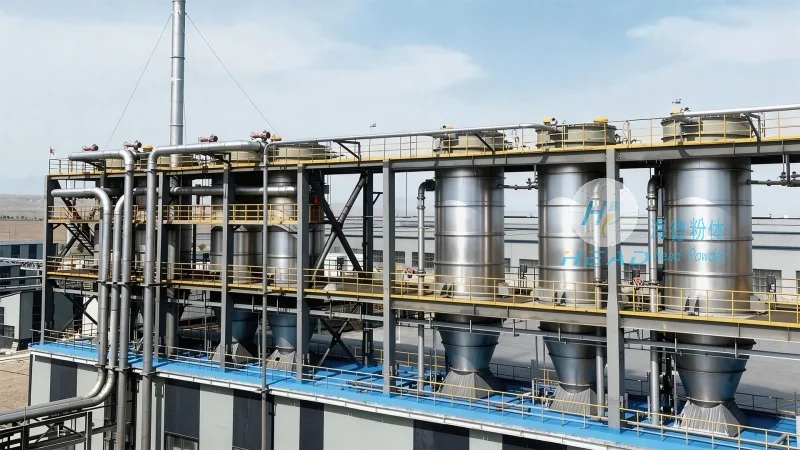
- Minimal Product Damage: The gentle handling of particles through air flow reduces the risk of breakage, caking, or agglomeration, preserving the quality and nutritional value of the oat flour.
- Contamination Prevention: The enclosed pipeline system prevents exposure to external contaminants, ensuring the purity of the product. This is critical for oat flour used in food applications where quality standards are stringent.
- Efficient and Flexible Transport: Pneumatic conveying systems can transport materials over long distances and through complex layouts, including vertical and horizontal movements, with minimal space requirements.
- Reduced Maintenance and Downtime: Unlike mechanical conveyors that require regular maintenance and cleaning, pneumatic systems have fewer moving parts and are less prone to clogging, leading to lower operational costs and increased uptime.
Key Features of Pneumatic Conveying Systems for Oat Flour
Modern pneumatic conveying systems for oat flour are designed with specific features to enhance performance and efficiency:
- Positive Displacement Pneumatic Conveying: This method uses a positive displacement pump to create a pressure differential, ensuring consistent and reliable transport of oat flour, even at low flow rates.
- Air-Liquid Pneumatic Conveying: This technique involves mixing the oat flour with a liquid (such as water or oil) to form a slurry, which is then transported through the pipeline. This method is effective for handling sticky or cohesive powders and can improve the flow characteristics of oat flour.
- Controlled Airflow and Pressure: Advanced control systems allow for precise regulation of airflow and pressure, ensuring optimal transport conditions and preventing product degradation or system damage.
Application Examples in Oat Flour Processing
Pneumatic conveying is widely used in various stages of oat flour processing, from raw material handling to finished product packaging. For instance, in a typical oat flour production line, the system may transport raw oats from storage silos to grinding equipment, then convey the ground flour to storage tanks or packaging lines. The enclosed and controlled environment of pneumatic conveying ensures that the product remains free from contamination and maintains its quality throughout the process.
Conclusion: Choosing the Right Conveying Method for Oat Flour
When selecting a conveying method for oat flour, it is essential to consider the specific requirements of the application, including product quality, operational efficiency, and cost-effectiveness. While traditional methods like belt and screw conveyors have their uses, pneumatic conveying stands out as a superior solution due to its ability to handle delicate powders without compromising quality. By leveraging the advantages of pneumatic conveying, oat flour manufacturers can ensure consistent product quality, reduce operational costs, and enhance overall process efficiency.




