When it comes to handling polyester fibers, selecting the right conveying method is crucial for efficiency, cost-effectiveness, and product integrity. Polyester fibers are widely used in various industries, including textiles, automotive, and construction, due to their durability, strength, and versatility. However, their lightweight and fine nature makes traditional bulk material handling challenging. This article explores the different polyester fiber conveying methods available and highlights the key advantages and features of air-pneumatic conveying, a popular solution for modern material handling applications.
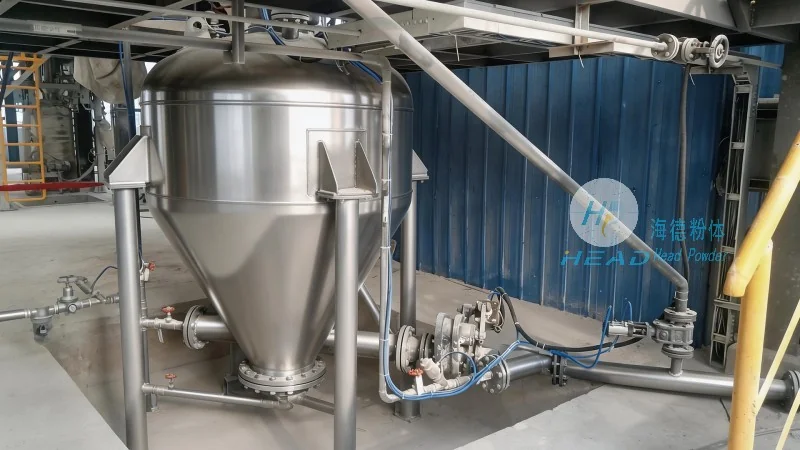
Understanding Polyester Fiber Conveying Methods
Polyester fibers are typically handled in bulk form, requiring efficient and reliable conveying systems to transport them from storage to processing units. The primary goal of any conveying method is to move these fibers with minimal degradation, low energy consumption, and high throughput. Several methods are commonly employed, each with its own set of advantages and limitations.
Traditional Conveying Methods vs. Air-Pneumatic Conveying
Traditional conveying methods for polyester fibers often include mechanical systems such as screw conveyors, belt conveyors, and bucket elevators. While these methods are effective for certain applications, they may face challenges with fine or lightweight materials like polyester fibers. For instance, screw conveyors can cause fiber breakage and clogging, while belt conveyors may require frequent maintenance and are less suitable for dusty environments. In contrast, air-pneumatic conveying, also known as pneumatic conveying, uses compressed air to transport materials through a pipeline system. This method offers several advantages that make it an ideal choice for polyester fiber handling.
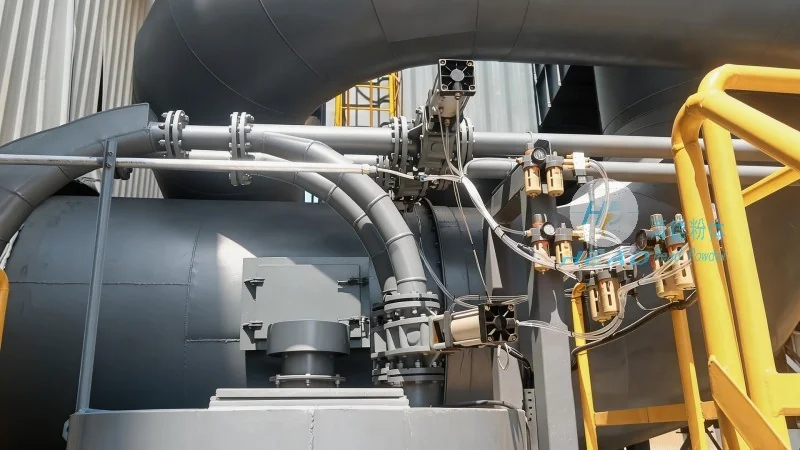
The Advantages of Air-Pneumatic Conveying for Polyester Fibers
HeadPowder, a leading provider of material handling solutions, specializes in air-pneumatic conveying systems tailored for polyester fibers. The advantages of this technology are significant and include:
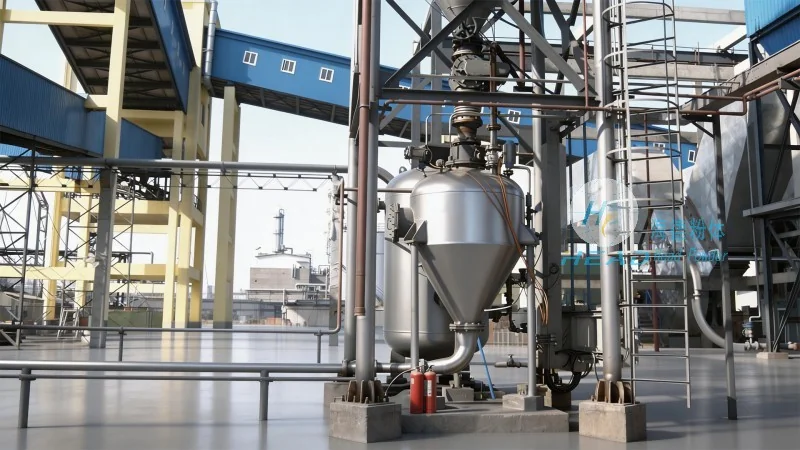
- Low Maintenance and High Reliability: Air-pneumatic systems have fewer moving parts compared to mechanical conveyors, reducing the risk of breakdowns and minimizing maintenance requirements. This leads to lower operational costs and increased system uptime.
- Efficient Material Handling: The use of compressed air allows for the transport of polyester fibers over long distances with minimal energy consumption. The system can handle varying flow rates and can be easily integrated with existing processing lines.
- Product Integrity Preservation: Unlike mechanical systems that may cause fiber breakage or contamination, air-pneumatic conveying ensures that polyester fibers remain intact and free from dust or debris. This is crucial for maintaining the quality of the final product.
- Flexibility and Scalability: Air-pneumatic systems can be easily modified or expanded to accommodate changes in production volume or process requirements. They can handle a wide range of fiber types and sizes, making them versatile for different applications.
Key Features of Air-Pneumatic Conveying Systems
HeadPowder's air-pneumatic conveying systems are designed with several key features that enhance performance and efficiency. These features include:
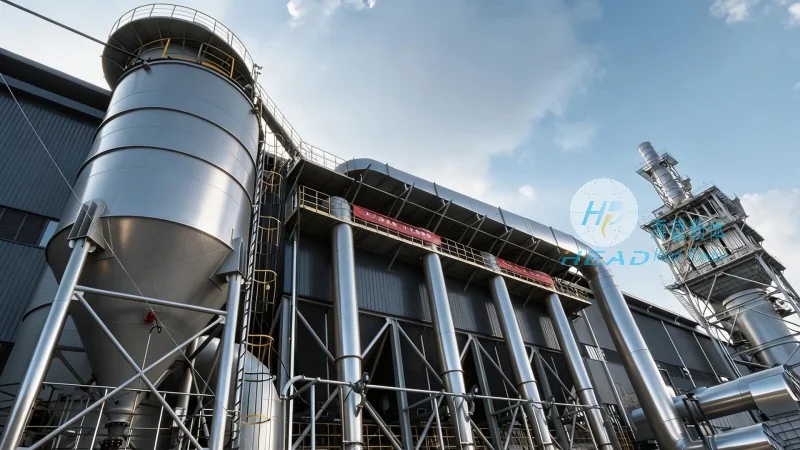
- Customizable Pipeline Design: The system can be tailored to the specific layout of the facility, with pipelines that can be installed in horizontal, vertical, or inclined configurations to optimize material flow.
- Advanced Control Systems: Modern air-pneumatic systems are equipped with sophisticated control panels that allow for precise regulation of air pressure, flow rate, and material feed. This ensures consistent and reliable operation.
- Integrated Filtration and Cleaning: The system includes high-efficiency filters to capture dust and debris, preventing contamination and maintaining air quality. Regular cleaning cycles can be programmed to keep the system in optimal condition.
- Energy Efficiency: By using compressed air efficiently and minimizing energy losses, the system reduces operational costs and contributes to a more sustainable operation.
Applications of Air-Pneumatic Conveying in Polyester Fiber Handling
The versatility of air-pneumatic conveying makes it suitable for a wide range of applications in polyester fiber processing. Some common uses include:
- Raw Material Transport: Moving polyester fibers from storage silos or hoppers to processing units such as extruders or spinners.
- Product Transfer: Conveying finished polyester products from processing lines to packaging or storage areas.
- Recycling and Reclaiming: Transporting recycled polyester fibers from collection points to reprocessing facilities.
- Quality Control: Using the system to transport samples for testing and analysis, ensuring that only high-quality fibers are used in production.
Conclusion
For businesses dealing with polyester fibers, choosing the right conveying method is essential for maintaining efficiency and product quality. Air-pneumatic conveying, as highlighted by HeadPowder, offers a superior solution with its low maintenance, high reliability, and ability to preserve product integrity. By investing in a well-designed air-pneumatic system, companies can enhance their material handling processes, reduce costs, and improve overall operational performance. HeadPowder, with its expertise in material handling solutions, provides tailored systems that meet the specific needs of polyester fiber processing, ensuring that businesses can achieve their production goals effectively and sustainably.




