Phenolic resin, a widely used industrial material, requires efficient and reliable conveying methods to ensure smooth production processes. The choice of conveying system significantly impacts operational efficiency, material integrity, and overall production costs. Among various options, pneumatic conveying stands out as a preferred method for handling phenolic resin due to its unique advantages and characteristics. This article provides an overview of different phenolic resin conveying methods, with a focus on the benefits and features of pneumatic conveying.
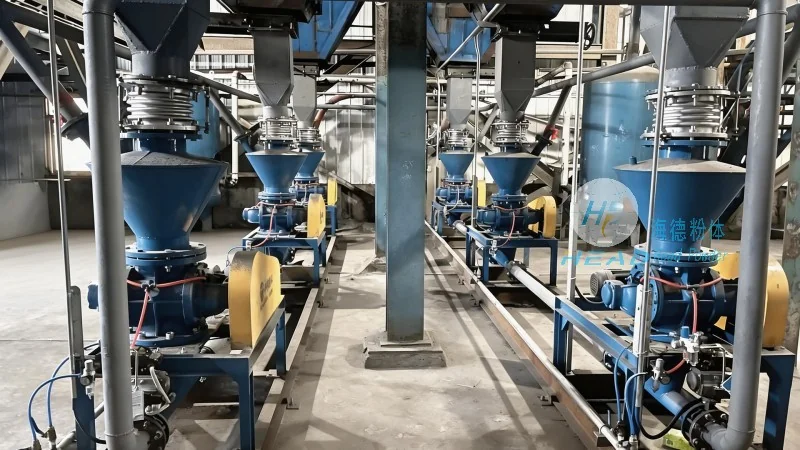
Introduction to Phenolic Resin Conveying
Phenolic resin, also known as phenol-formaldehyde resin, is a synthetic polymer used in a variety of applications, including adhesives, coatings, and composites. Its handling and transportation require specialized equipment to maintain the material's quality and prevent degradation. Traditional methods such as belt and screw conveyors may not be suitable for phenolic resin due to its abrasive nature and potential for caking or sticking. Therefore, advanced conveying systems like pneumatic conveying are often preferred in industrial settings.
Different Conveying Methods for Phenolic Resin
Several methods are available for transporting phenolic resin, each with its own set of advantages and limitations. The primary options include mechanical conveyors, such as belt and screw conveyors, and pneumatic systems. Mechanical conveyors are generally cost-effective for short-distance transport but may struggle with material that is sticky or prone to degradation. In contrast, pneumatic conveying offers a more flexible and efficient solution for longer distances and more demanding applications.
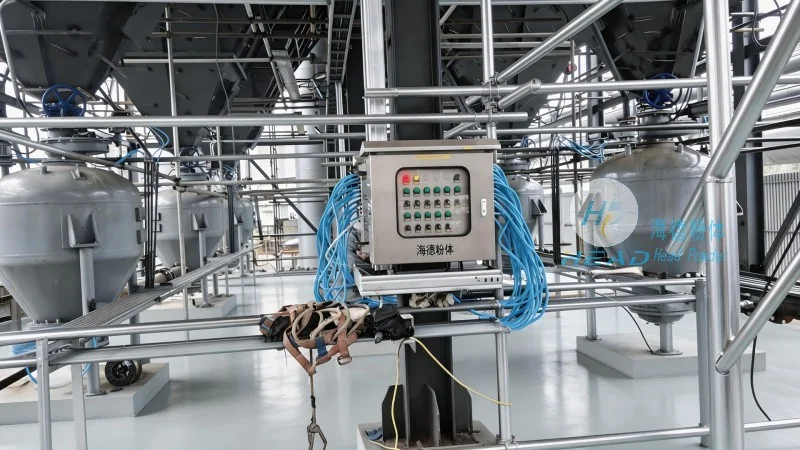
Pneumatic Conveying: Advantages and Features
Pneumatic conveying, also known as air conveying, uses compressed air to transport materials through a pipeline. This method is particularly effective for phenolic resin due to several key advantages. First, it minimizes material contact with equipment, reducing the risk of contamination and degradation. The enclosed system also helps maintain the material's temperature and moisture levels, which are critical for preserving its properties. Additionally, pneumatic conveying allows for high-velocity transport, enabling faster and more efficient material movement compared to mechanical systems.
Another significant advantage of pneumatic conveying is its ability to handle a wide range of particle sizes and shapes. Phenolic resin particles can vary in size, and pneumatic systems can accommodate these variations without the need for additional processing steps. This flexibility makes it suitable for diverse production lines and applications. Furthermore, the system's design allows for easy integration with other production equipment, such as mixers and reactors, streamlining the overall workflow.
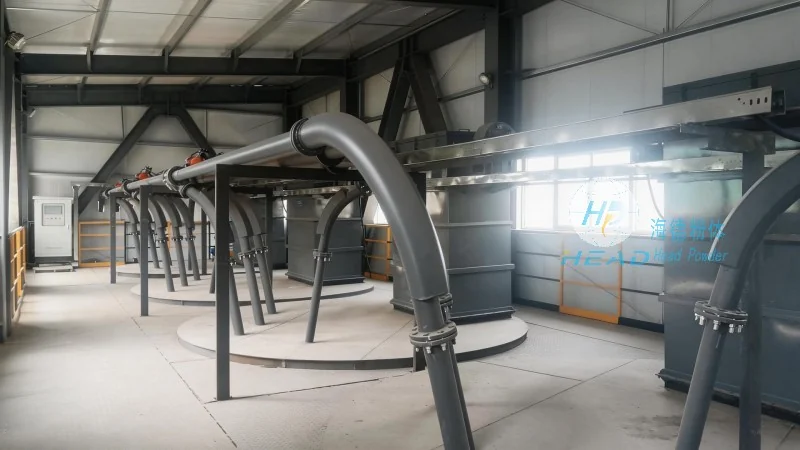
Key Features of Pneumatic Conveying for Phenolic Resin
When considering pneumatic conveying for phenolic resin, several features contribute to its effectiveness. The system typically includes a blower or compressor to generate the necessary air pressure, a hopper for material storage, and a pipeline network for transport. The hopper is designed to prevent material bridging and ensure consistent flow. The pipeline is often made of materials resistant to phenolic resin, such as stainless steel or special coatings, to prevent corrosion and material buildup. Additionally, the system may include filters and cyclones to separate the conveyed material from the air, ensuring clean and efficient operation.
One of the standout features of pneumatic conveying is its ability to handle both dry and wet phenolic resin. Wet resin, which may contain solvents or other additives, can be transported without the risk of spillage or contamination. The enclosed system ensures that all materials are contained within the pipeline, reducing environmental impact and operational hazards. This feature is particularly important in industries where environmental regulations are strict and material safety is paramount.
Application Examples and Benefits
Pneumatic conveying is widely used in the phenolic resin industry for various applications. For instance, in the production of adhesives, phenolic resin is often mixed with other components and then conveyed to the mixing equipment. The high-velocity transport ensures that the resin is evenly distributed, leading to consistent product quality. In composite manufacturing, phenolic resin is used as a binder, and pneumatic conveying allows for precise control over the resin's flow rate, ensuring uniform coating on the substrate. The benefits of this method extend to cost savings, as it reduces downtime due to material blockages and maintenance, and improves overall production efficiency.
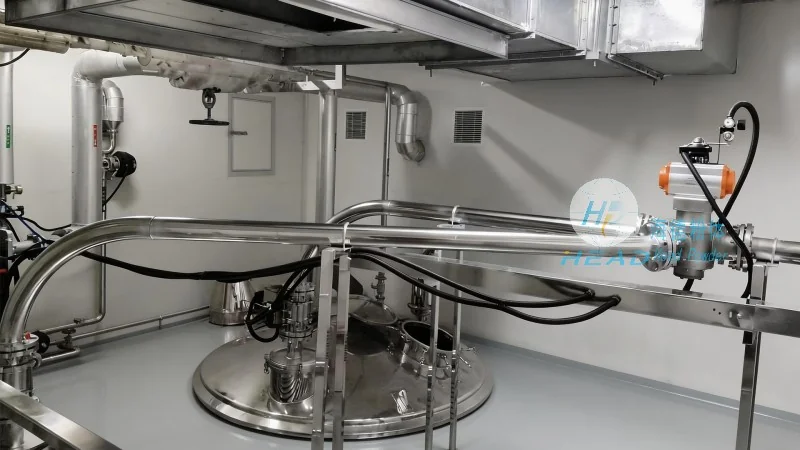
Moreover, pneumatic conveying systems are designed for durability and long-term operation. The components are built to withstand the abrasive nature of phenolic resin, reducing the need for frequent replacements and maintenance. This reliability translates into lower operational costs and increased productivity for manufacturers. The system's flexibility also allows for easy adjustments to production rates, enabling companies to adapt to changing market demands without significant modifications to the equipment.
Conclusion
In conclusion, the choice of phenolic resin conveying method is critical to the success of industrial operations. While various options exist, pneumatic conveying emerges as a superior choice due to its efficiency, flexibility, and ability to maintain material quality. The advantages of this method, including minimal contamination, high-velocity transport, and adaptability to different particle sizes, make it an ideal solution for handling phenolic resin in diverse applications. As the demand for phenolic resin continues to grow, the adoption of advanced conveying systems like pneumatic conveying will remain essential for maintaining competitive edge and operational excellence. Shandong HeadPowder Engineering Co., Ltd., a leading provider in this field, specializes in designing and manufacturing customized pneumatic conveying systems tailored to the specific needs of phenolic resin applications, ensuring optimal performance and reliability for its clients.




