Desulfurization and denitrification agents are critical components in modern industrial processes, particularly in power generation and chemical manufacturing, where they are employed to reduce harmful emissions such as sulfur dioxide and nitrogen oxides. The efficient and reliable delivery of these agents is essential for maintaining optimal performance of emission control systems and ensuring compliance with stringent environmental regulations. Various delivery methods are utilized, each with distinct characteristics and applications. This article examines the different types of desulfurization and denitrification agent delivery methods, with a particular focus on the advantages and features of pneumatic conveying as a leading technology for transporting these agents.
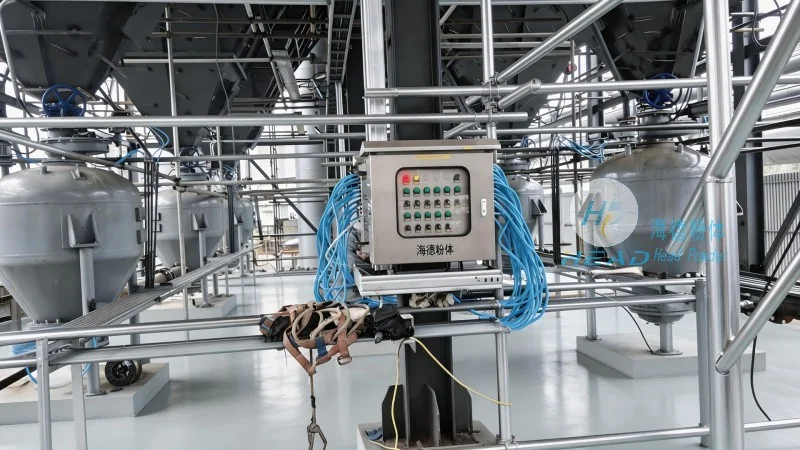
Overview of Common Desulfurization and Denitrification Agent Delivery Methods
Traditional delivery methods for desulfurization and denitrification agents include gravity flow, pump systems, and mechanical conveyors. Gravity flow systems rely on the natural descent of materials through chutes or hoppers, which is suitable for materials with high bulk density and free-flowing properties. However, this method is often constrained by the need for specific topographical layouts and may not be feasible for vertical or horizontal distances exceeding the material's natural flow angles. Pump systems, such as slurry pumps or positive displacement pumps, are commonly used for liquid or semi-liquid agents, providing consistent pressure and flow rates. These systems are effective for short to medium distances but can be less efficient for dry powders and may require additional equipment for handling solid particles.
Pneumatic Conveying: A Modern Solution for Efficient Agent Delivery
Among the various delivery methods, pneumatic conveying has emerged as a preferred choice for transporting desulfurization and denitrification agents due to its versatility and efficiency. Pneumatic conveying systems utilize compressed air or other gases to transport materials through a pipeline network. This method is particularly advantageous for dry powders, which are often the primary form of desulfurization and denitrification agents. The key advantages of pneumatic conveying include high transport efficiency, the ability to handle a wide range of particle sizes and shapes, and the capability to transport materials over long distances with minimal loss or degradation.
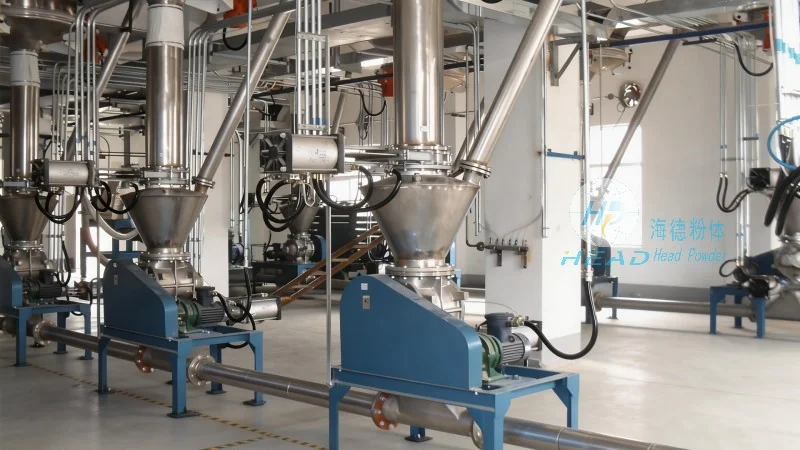
Key Advantages of Pneumatic Conveying for Desulfurization and Denitrification Agents
One of the most significant advantages of pneumatic conveying is its ability to maintain the integrity of the desulfurization and denitrification agents. Unlike mechanical conveyors, which can cause particle attrition and degradation, pneumatic systems minimize physical contact, preserving the chemical properties and effectiveness of the agents. This is critical for ensuring the agents perform optimally in subsequent treatment processes. Additionally, pneumatic conveying offers enhanced safety features. By eliminating the need for open hoppers or chutes, the risk of dust explosions or material contamination is substantially reduced. The enclosed system also helps in controlling dust emissions, contributing to a cleaner working environment and compliance with occupational health and safety regulations.
Efficiency and Cost-Effectiveness in Pneumatic Conveying Systems
Efficiency is a major factor in the adoption of pneumatic conveying for desulfurization and denitrification agents. These systems can achieve high material throughput with minimal energy consumption compared to other methods. The ability to transport materials over long distances without the need for intermediate storage or transfer points reduces operational costs and improves overall process reliability. Furthermore, pneumatic conveying systems are highly adaptable, allowing for easy integration with existing industrial infrastructure. This flexibility makes them suitable for both new plant installations and retrofits in existing facilities.
Features and Technical Specifications of Pneumatic Conveying Systems
Modern pneumatic conveying systems for desulfurization and denitrification agents are equipped with advanced features that enhance performance and reliability. These systems typically include components such as air compressors, filter units, and material feeders. The air compressor provides the necessary pressure to move the material through the pipeline, while the filter unit ensures that the air is clean and free from contaminants, preventing clogging and maintaining system efficiency. Material feeders, such as rotary valves or screw feeders, control the flow rate of the agents into the system, ensuring consistent and controlled delivery. The design of the pipeline network, including the use of bends, elbows, and expansion joints, is also critical for minimizing pressure losses and preventing material deposition.
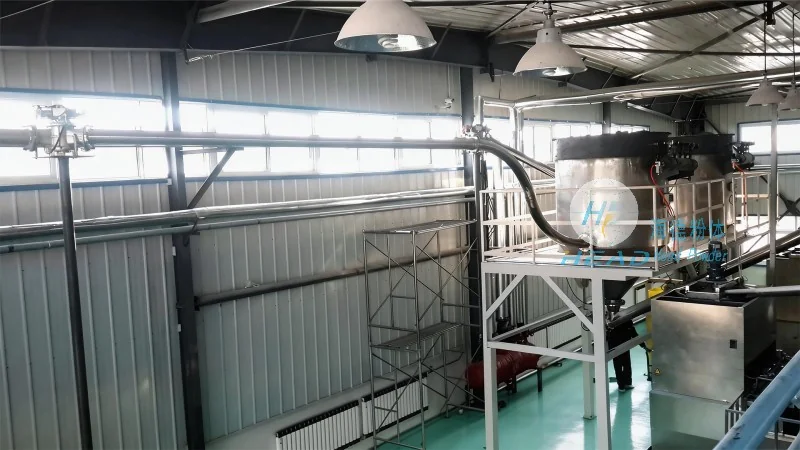
Case Study: HeadPowder's Pneumatic Conveying Solutions
Shandong HeadPowder Engineering Co., Ltd., a leading provider of industrial solutions, specializes in the design and implementation of pneumatic conveying systems tailored to the needs of desulfurization and denitrification applications. With years of experience in the field, HeadPowder has developed innovative solutions that address the unique challenges of transporting these agents. For instance, their systems are equipped with advanced control systems that monitor pressure, flow rate, and material level in real-time, ensuring optimal operation and preventing system failures. The company's expertise in material handling and process engineering has enabled them to provide customized solutions that meet the specific requirements of their clients, whether it's for new plant installations or upgrades to existing facilities.
Conclusion: The Role of Pneumatic Conveying in Modern Desulfurization and Denitrification Processes
In conclusion, the choice of delivery method for desulfurization and denitrification agents is a critical decision that impacts the efficiency, safety, and cost-effectiveness of industrial processes. While traditional methods like gravity flow and pump systems have their applications, pneumatic conveying stands out as a superior solution, especially for dry powders. Its advantages in maintaining material integrity, enhancing safety, and improving operational efficiency make it the preferred choice for many industries. As environmental regulations continue to tighten, the demand for effective and reliable delivery systems will only increase, and pneumatic conveying will remain a key technology in the future of desulfurization and denitrification processes. With companies like Shandong HeadPowder Engineering Co., Ltd. leading the way in innovation, the industry can expect continued advancements in pneumatic conveying systems that will further optimize the delivery of desulfurization and denitrification agents.




