When it comes to handling nanoparticle calcium carbonate (nCC), selecting the right conveying method is crucial for maintaining product quality and operational efficiency. Various techniques are available, each with its own set of advantages and limitations. This article provides an overview of common conveying methods for nCC, with a particular focus on the benefits and characteristics of pneumatic conveying.
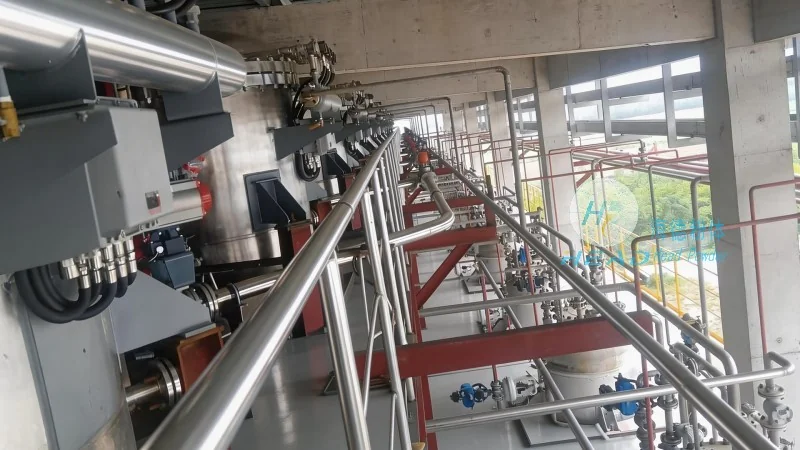
Understanding Conveying Methods for Nanoparticle Calcium Carbonate
Nanoparticle calcium carbonate is a fine powder with a high surface area and low bulk density, making it challenging to transport without causing issues such as caking, agglomeration, or degradation of particle size. Traditional methods like belt conveyors or screw conveyors may not be ideal due to the risk of particle attrition and the potential for material buildup. Therefore, specialized conveying systems are often employed to ensure the safe and efficient transport of nCC.
Types of Conveying Methods for Nanoparticle Calcium Carbonate
Several conveying methods are utilized in the industry, including mechanical conveyors, pneumatic systems, and hybrid solutions. Mechanical conveyors, such as belt or screw conveyors, are widely used for bulk materials but may not be suitable for nCC due to the risk of particle degradation or blockages. Pneumatic conveying, however, offers a more controlled environment for transporting fine powders like nCC.
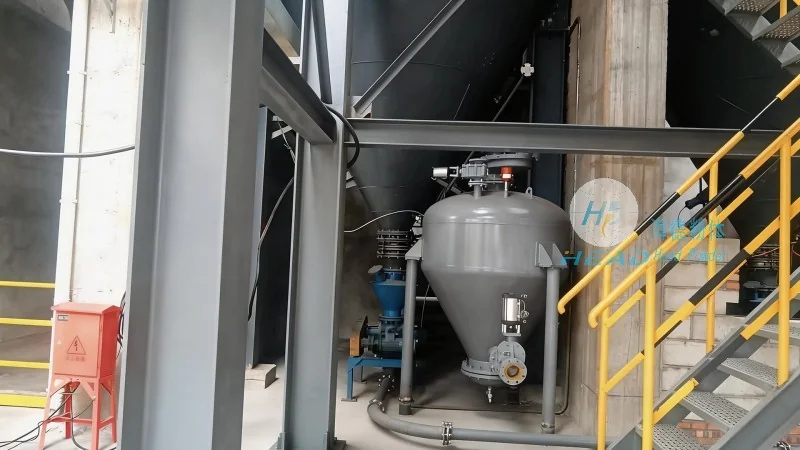
Pneumatic Conveying: The Preferred Method for Nanoparticle Calcium Carbonate
Pneumatic conveying systems utilize air or other gases to transport powders through a pipeline. This method is particularly effective for nCC because it minimizes particle contact with equipment surfaces, reducing the risk of degradation. There are two main types of pneumatic conveying: pressure and vacuum systems. Pressure systems employ compressed air to push the material through the pipeline, while vacuum systems use suction to draw the material from the source.
Advantages of Pneumatic Conveying for Nanoparticle Calcium Carbonate
One of the key advantages of pneumatic conveying is its ability to handle fine powders without causing agglomeration or caking. The controlled airflow ensures that particles remain suspended and move smoothly through the system. Additionally, pneumatic systems can be designed to operate in a closed loop, which helps maintain product purity and prevents contamination from external sources. This is especially important for nCC, which is often used in applications where purity is critical, such as in the production of plastics, coatings, and papers.
Key Features of Pneumatic Conveying Systems for nCC
Modern pneumatic conveying systems for nCC are equipped with advanced features to enhance performance and reliability. These include variable speed drives, which allow for precise control of airflow and material flow rates. This helps maintain consistent particle size distribution and prevents overloading of the system. Additionally, many systems use cyclone separators or filters to separate the material from the air stream, ensuring that the nCC remains in a dry, free-flowing state. The use of stainless steel or other corrosion-resistant materials in the construction of the conveying lines also helps prevent contamination and extends the lifespan of the equipment.
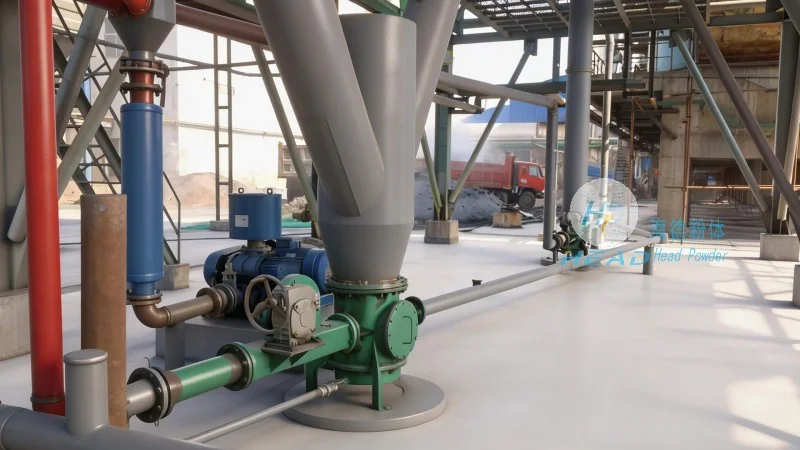
Applications of Pneumatic Conveying in nCC Handling
Pneumatic conveying is widely used in various industries that handle nCC, including the plastics, rubber, and paper industries. In the plastics industry, nCC is often used as a filler to improve the mechanical properties of the final product. The ability to transport nCC efficiently and without degradation is crucial for maintaining the quality of the plastic. In the paper industry, nCC is used as a coating or filler to enhance the brightness and strength of the paper. Pneumatic conveying ensures that the nCC is delivered to the paper machine in a consistent and controlled manner, which is essential for producing high-quality paper.
Conclusion: Choosing the Right Conveying Method for Nanoparticle Calcium Carbonate
When selecting a conveying method for nanoparticle calcium carbonate, it is important to consider the specific requirements of the application, such as the particle size, bulk density, and desired product quality. While mechanical conveyors may be suitable for some applications, pneumatic conveying is often the preferred choice due to its ability to handle fine powders without causing degradation. The advantages of pneumatic conveying, including its ability to maintain product purity and provide precise control over material flow, make it an ideal solution for many industries. By understanding the different conveying methods and their characteristics, manufacturers can choose the most suitable system to ensure efficient and reliable handling of nCC.




