

What is a Cotton Fiber Powder Pneumatic Conveying System? And What Are Its Design Principles?
Understanding the cotton fiber powder pneumatic conveying system is crucial for industries dealing with bulk material handling, especially those working with fibrous and fine powders like cotton. This system is a specialized piece of equipment designed to transport cotton fiber powders through a pipeline using air pressure or vacuum. The design principles behind such systems are rooted in fluid dynamics and material handling engineering, ensuring efficient, safe, and reliable movement of the material from one location to another.
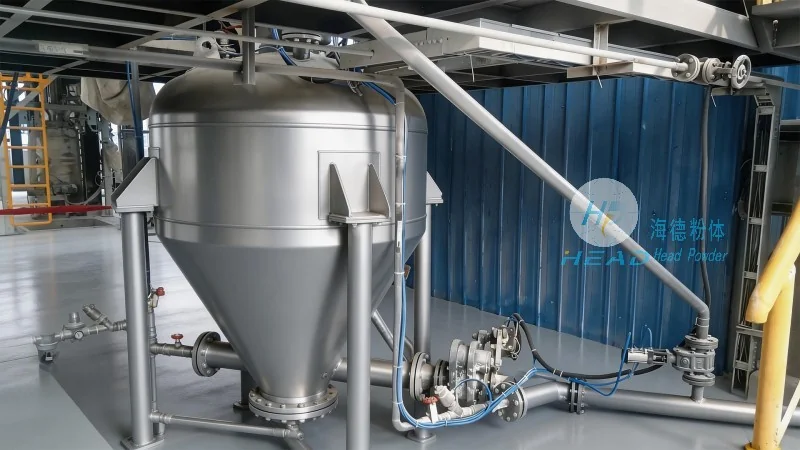
Introduction to the Cotton Fiber Powder Pneumatic Conveying System
The cotton fiber powder pneumatic conveying system, often referred to as a pneumatic conveyor, is a method of transporting dry, bulk materials through a closed pipeline system. Unlike traditional mechanical conveyors, which rely on belts or buckets, pneumatic systems use air to move the material. This approach is particularly advantageous for handling delicate or abrasive materials like cotton fibers, as it minimizes wear and tear and prevents contamination. The system typically consists of a hopper for material storage, a blower or vacuum pump to generate the air flow, a pipeline network, and a discharge point where the material is released. The entire setup is engineered to maintain consistent air pressure and flow rates, ensuring the smooth and continuous transport of cotton fiber powders.
About HeadPowder: The Manufacturer
Shandong HeadPowder Engineering Co., Ltd., commonly known as HeadPowder, is a leading manufacturer and supplier of advanced material handling solutions. With a strong presence in China, particularly in Shandong, the company specializes in designing and producing pneumatic conveying systems tailored to the needs of various industries. HeadPowder's expertise lies in understanding the unique challenges of handling fibrous and fine powders, such as cotton, and developing systems that address these challenges effectively. The company's commitment to quality, innovation, and customer satisfaction has made it a trusted partner for businesses seeking reliable and efficient material transport solutions.
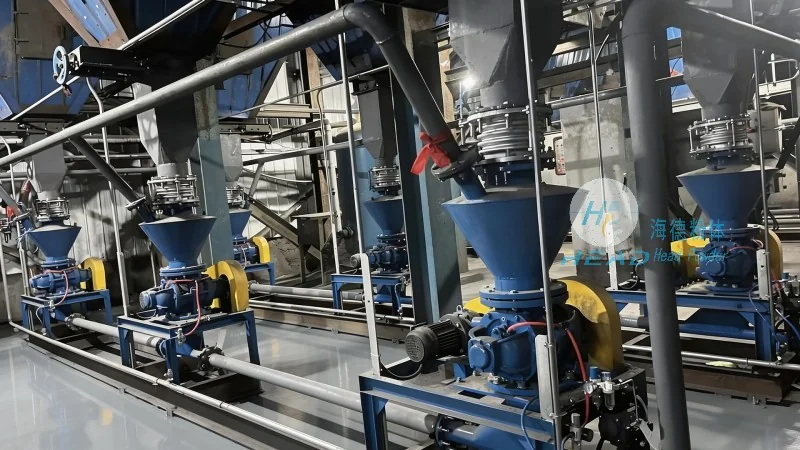
Design Principles of the Cotton Fiber Powder Pneumatic Conveying System
The design of a cotton fiber powder pneumatic conveying system is based on several key principles to ensure optimal performance. First, the system must maintain a consistent air velocity within the pipeline to prevent material settling or blockages. This is achieved by carefully calculating the air flow rate and pressure, which are determined based on the properties of the cotton fiber powder, such as particle size, density, and moisture content. Second, the system incorporates appropriate equipment to handle the specific characteristics of cotton fibers. For instance, the hopper and discharge points are designed to minimize material degradation and prevent clogging. The use of flexible or smooth pipelines also helps in reducing friction and ensuring the material flows smoothly. Third, the system is engineered for safety and efficiency. This includes features like pressure relief valves, air filtration systems to maintain air quality, and monitoring devices to track the system's performance. The design also considers the environmental impact, ensuring that the system operates with minimal dust emissions and energy consumption.
Key Components and Their Functions
A typical cotton fiber powder pneumatic conveying system includes several essential components, each playing a critical role in the overall operation. The hopper serves as the storage and feeding unit, where the cotton fiber powder is loaded and prepared for transport. The blower or vacuum pump generates the necessary air pressure or vacuum to move the material through the pipeline. The pipeline network connects the hopper to the discharge point and may include bends, elbows, and expansion joints to accommodate changes in direction and elevation. The discharge point is where the material is released, often into a processing unit or storage container. Additionally, the system may include accessories such as filters, silencers, and pressure sensors to enhance performance and safety. Each component is carefully selected and integrated to ensure the system operates efficiently and reliably, meeting the specific requirements of the application.
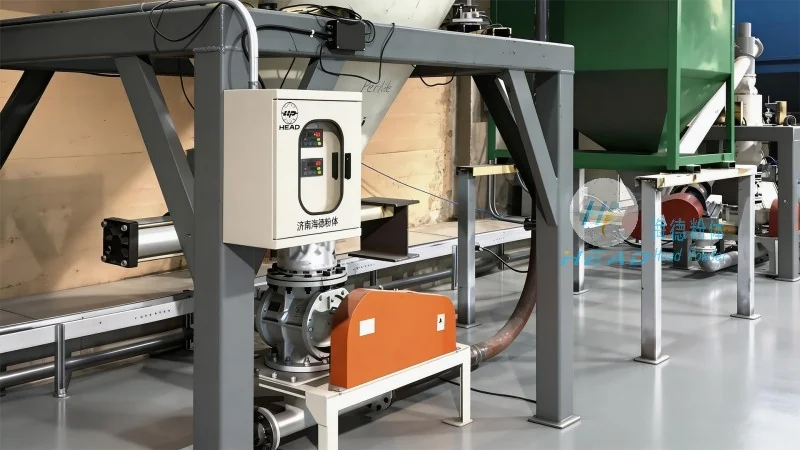
Applications and Benefits
The cotton fiber powder pneumatic conveying system finds applications in various industries, including textile manufacturing, agricultural processing, and chemical production. In the textile industry, it is used to transport raw cotton fibers from storage to processing machines, ensuring a continuous supply of material. In agricultural processing, it helps in moving cotton seeds or other fibrous materials through the production line. The benefits of using such a system include improved efficiency, reduced labor costs, and enhanced safety. By eliminating the need for manual handling of bulk materials, the system minimizes the risk of accidents and exposure to dust. Additionally, the system can handle large volumes of material with minimal energy consumption, making it an environmentally friendly option. The design flexibility of the system also allows it to be adapted to different production requirements, making it a versatile solution for various industrial applications.
Conclusion
In conclusion, the cotton fiber powder pneumatic conveying system is a sophisticated and efficient method of transporting bulk materials, particularly cotton fibers. The design principles behind such systems focus on fluid dynamics, material properties, and operational safety, ensuring optimal performance. With the expertise of manufacturers like Shandong HeadPowder Engineering Co., Ltd., these systems are engineered to meet the specific needs of industries, providing reliable and sustainable material handling solutions. As industries continue to seek more efficient and environmentally friendly methods of bulk material transport, the cotton fiber powder pneumatic conveying system remains a valuable and essential component of modern material handling operations.