Understanding the operational mechanics and key attributes of cereal material handling systems is crucial for optimizing production efficiency in food processing industries. The equipment, often integral to large-scale cereal manufacturing facilities, plays a pivotal role in ensuring the smooth flow of raw materials and finished products. This article delves into the core working principles and distinctive features of such systems, providing insights into their design, functionality, and practical applications.
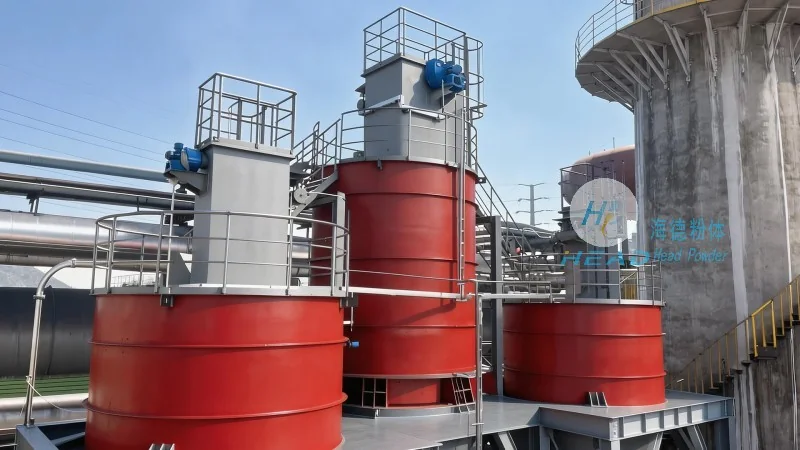
At the heart of cereal material handling systems lies a sophisticated integration of mechanical components and control mechanisms. The primary working principle revolves around the continuous movement of materials through a series of stages, from initial feeding to final discharge. Typically, these systems employ conveyor belts, screw conveyors, or pneumatic transport methods to transport cereal products such as oats, corn, or wheat flakes. The process begins with the intake of raw materials, which are then processed through cleaning, sorting, and conditioning steps before being transferred to the next stage of production. Each component is meticulously engineered to handle the specific characteristics of cereal materials, including their size, density, and moisture content, ensuring minimal loss and maximum efficiency.
The control system, often integrated with sensors and automation technology, monitors the entire operation in real-time. This allows for precise adjustments to the speed and direction of material flow, adapting to variations in production volume or material quality. For instance, in a high-speed production line, the system can automatically adjust conveyor speeds to maintain a consistent output rate, preventing bottlenecks or overloading of downstream equipment. The use of advanced sensors also enables early detection of issues such as blockages or material jams, triggering alerts to operators for timely intervention. This proactive approach enhances system reliability and reduces downtime, which is critical in maintaining productivity in competitive manufacturing environments.
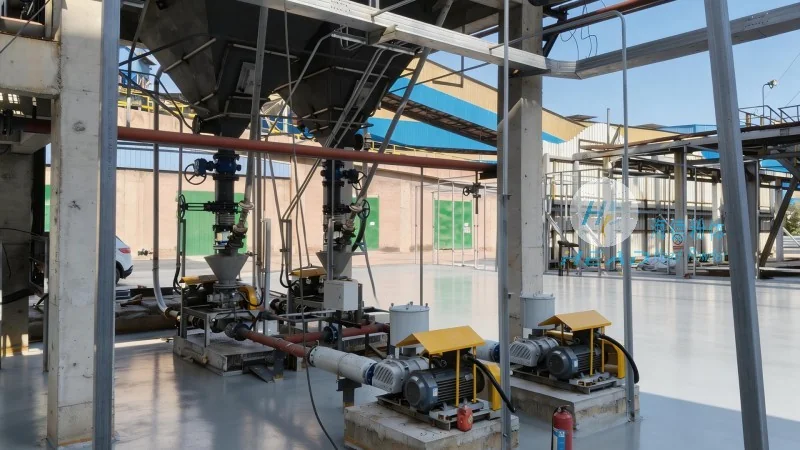
One of the most notable features of modern cereal material handling systems is their adaptability to diverse product types. Unlike traditional systems that may be limited to specific cereal varieties, contemporary designs incorporate modular components that can be easily reconfigured to handle different materials. This flexibility is particularly valuable in facilities that produce a range of products, such as breakfast cereals, snacks, or animal feed. The modular design allows for quick changes in conveyor lengths, incline angles, or material handling methods, minimizing the need for extensive equipment modifications. Additionally, the systems are equipped with adjustable speed controls and variable torque motors, enabling seamless transitions between different production batches without compromising material integrity.
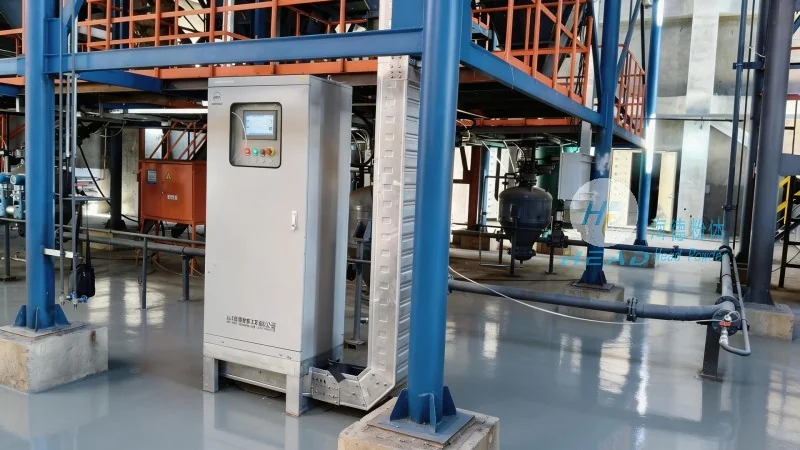
Another key feature is the emphasis on hygiene and compliance with industry standards. Cereal processing environments are subject to stringent regulations regarding food safety and sanitation. The equipment is constructed from food-grade materials, such as stainless steel, which resist corrosion and are easy to clean. The design incorporates smooth surfaces and minimal dead zones, reducing the risk of bacterial growth and contamination. Automated cleaning cycles are often integrated into the system, ensuring that all components are thoroughly sanitized between production runs. This attention to hygiene not only meets regulatory requirements but also enhances product quality and consumer trust.
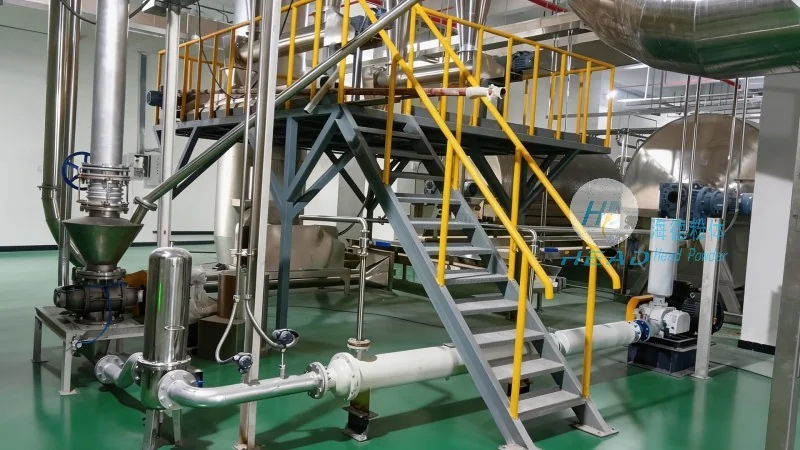
Energy efficiency is a significant consideration in the design of modern cereal material handling systems. Manufacturers have incorporated energy-saving technologies, such as variable frequency drives (VFDs) and energy recovery systems, to reduce operational costs. VFDs allow for precise control of motor speeds, matching power consumption to actual production needs. This results in substantial energy savings, especially in facilities operating 24/7. Additionally, the use of lightweight materials and optimized component designs reduces the overall energy required to move materials through the system. These energy-efficient features align with sustainability goals and contribute to the long-term economic viability of the operation.
Reliability and durability are paramount in industrial applications, and cereal material handling systems are built to withstand heavy usage and harsh conditions. The components are constructed from robust materials, such as high-strength steel and corrosion-resistant alloys, ensuring long service life. Regular maintenance is facilitated by accessible design features, including easy-to-remove covers and quick-release connections. This allows for efficient inspection and repair, minimizing downtime. The systems also incorporate redundancy in critical components, such as backup motors or sensors, to prevent single points of failure. This redundancy enhances system reliability, ensuring continuous operation even under challenging conditions.




