When it comes to handling polypropylene (PP) materials, selecting the right conveying method is crucial for efficiency, safety, and operational reliability. PP, known for its lightweight and versatile properties, requires specialized systems to ensure smooth material transfer from storage to processing units. This article explores common PP conveying methods, with a focus on the advantages and applications of pneumatic conveying systems.
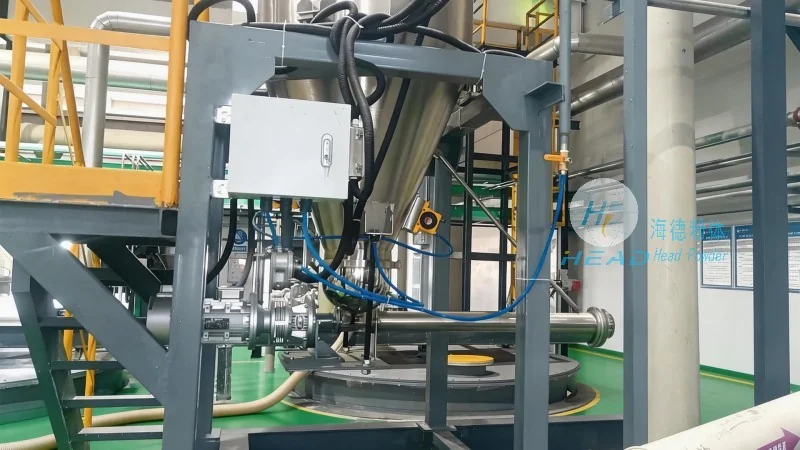
Key Considerations for PP Conveying
Before diving into specific methods, it's essential to understand the factors that influence the choice of PP conveying system. Material characteristics such as density, flowability, and moisture content, along with process requirements like distance, volume, and environmental constraints, play a significant role. For instance, PP powders and granules often have a tendency to aggregate or create dust, which can affect the performance of certain conveying technologies. Additionally, the need for enclosed systems to prevent dust contamination and ensure workplace safety is a critical consideration in many industrial applications.
Common PP Conveying Methods
Several methods are commonly used for transporting PP materials, each with its own set of advantages and limitations. The primary categories include mechanical conveying systems and pneumatic conveying systems. Mechanical systems, such as screw conveyors and belt conveyors, are widely used for bulk material handling but may not be suitable for fine powders due to the risk of clogging and material degradation. In contrast, pneumatic conveying systems offer a more flexible and enclosed solution, making them ideal for PP powders and granules.
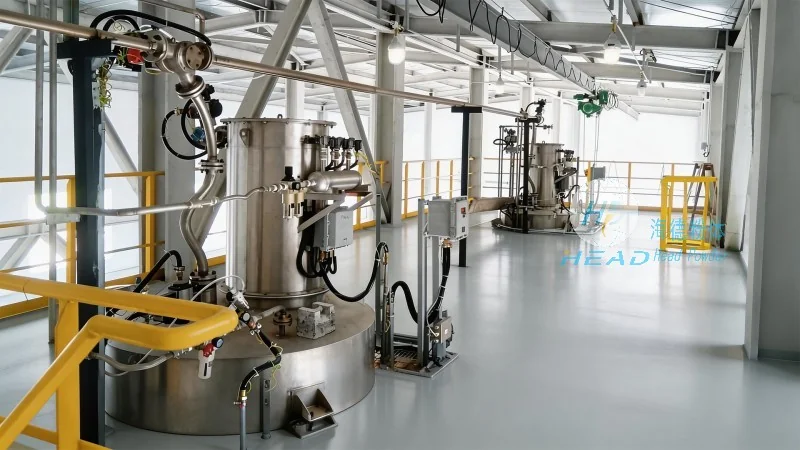
PP Pneumatic Conveying Systems: How They Work
Pneumatic conveying systems utilize air or other gases to transport PP materials through a pipeline network. These systems can be broadly classified into two main types: pressure and vacuum systems. Pressure systems operate by forcing air or gas into a container or hopper, creating a pressure differential that moves the material through the pipeline. Vacuum systems, on the other hand, use a vacuum pump to create a negative pressure that draws the material from the source into the pipeline. Both types can be further categorized as dilute-phase or dense-phase systems, depending on the air-to-material ratio.
Advantages of PP Pneumatic Conveying
PP pneumatic conveying systems offer several advantages over traditional mechanical methods. One of the most significant benefits is the ability to handle fine powders and granules without the risk of clogging or material degradation. The enclosed pipeline design also prevents dust contamination, which is crucial for maintaining a clean and safe working environment. Additionally, pneumatic systems can transport materials over longer distances with minimal loss, making them suitable for large-scale industrial applications. Another advantage is the flexibility to integrate with existing processing equipment, allowing for seamless material transfer from storage to processing units.
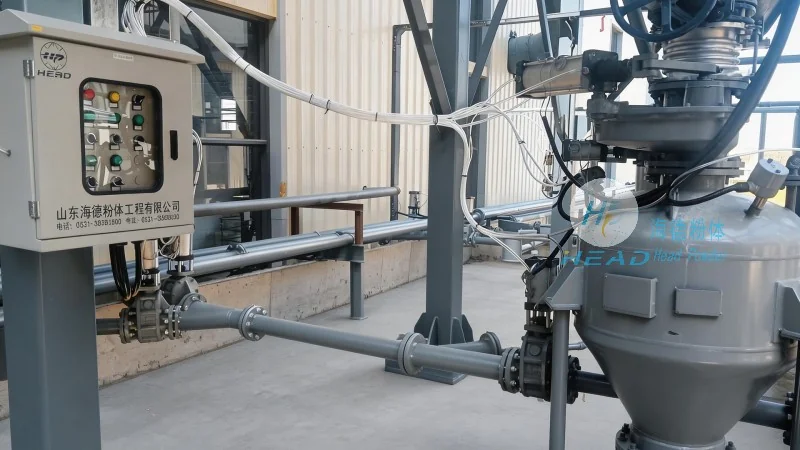
Applications of PP Pneumatic Conveying
PP pneumatic conveying systems are widely used in various industries, including plastics manufacturing, food processing, and chemical production. In the plastics industry, these systems are commonly employed to transport PP granules from storage silos to extrusion lines or injection molding machines. The ability to handle large volumes of material efficiently makes them ideal for high-production environments. In food processing, pneumatic conveying is used to transport PP-based food packaging materials, ensuring that the process remains clean and free from contamination. Chemical manufacturers also utilize these systems to transport PP powders used in the production of various compounds, maintaining strict quality control standards.
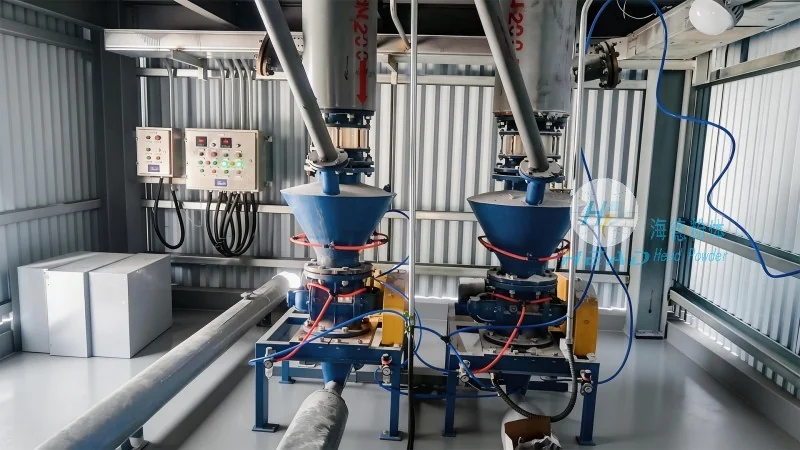
Factors to Consider When Choosing a PP Pneumatic Conveying System
When selecting a PP pneumatic conveying system, several factors must be considered to ensure optimal performance and cost-effectiveness. The first consideration is the material characteristics, including particle size, density, and moisture content. These factors will determine the appropriate system type (pressure or vacuum) and the required air-to-material ratio. The second factor is the distance and layout of the conveying system, as this will affect the number of components needed and the overall system complexity. Additionally, the required material flow rate and the need for enclosed or open systems will influence the choice of components, such as the type of airlock valves and cyclones used.
Conclusion
Choosing the right PP conveying method is essential for efficient and safe material handling in industrial applications. While mechanical systems have their place, pneumatic conveying systems, particularly for PP powders and granules, offer significant advantages in terms of flexibility, enclosed operation, and material handling efficiency. By understanding the key considerations and applications, industrial facilities can select the most suitable PP conveying system to meet their specific needs. As a leading provider of engineering solutions, Shandong HeadPowder Engineering Co., Ltd. specializes in designing and manufacturing customized PP pneumatic conveying systems tailored to the unique requirements of each client, ensuring reliable and efficient material transport in various industrial settings.




