When it comes to the efficient and reliable transportation of stone aggregates in industrial and construction settings, selecting the right conveying method is crucial. Stone aggregates, such as crushed stone, gravel, and sand, are essential raw materials used in various applications, from concrete production to road construction. The choice of conveying system directly impacts operational efficiency, cost-effectiveness, and overall project success. This article explores common stone aggregate conveying methods, with a particular focus on the advantages and applications of pneumatic conveying systems.
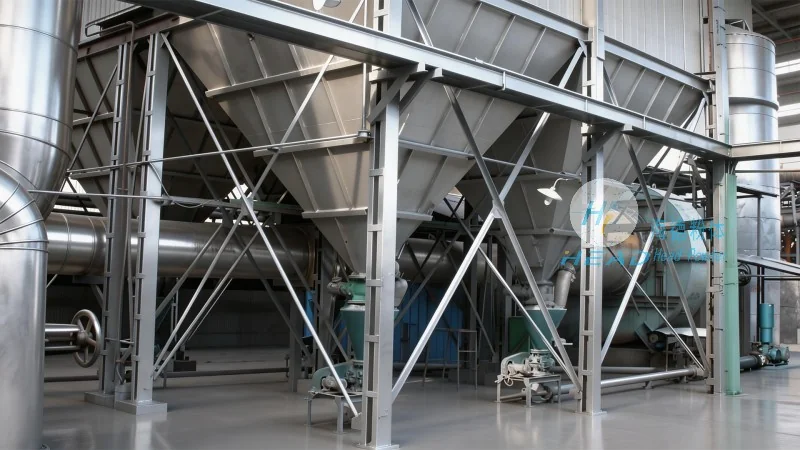
Understanding Stone Aggregate Conveying Systems
Stone aggregate conveying involves the movement of bulk materials from one location to another within a processing facility or between different stages of production. Traditional methods like belt conveyors, bucket elevators, and screw conveyors have been widely used for decades. However, as industrial demands evolve, more advanced and flexible solutions like pneumatic conveying have gained prominence. Each method has its own set of advantages and limitations, making it essential to evaluate the specific requirements of a project before selecting a conveying system.
Common Stone Aggregate Conveying Methods
Several methods are commonly employed for stone aggregate transportation, each suited to different operational needs and material characteristics. The primary options include:
- Belt Conveyors: These are among the most widely used systems for transporting bulk materials over long distances. Belt conveyors consist of a continuous belt that moves material from the loading point to the discharge point. They are particularly effective for horizontal or slightly inclined transport and are known for their high capacity and low maintenance requirements. However, they may not be suitable for vertical or highly inclined applications due to the risk of material spillage and the need for significant space.
- Bucket Elevators: Also known as chain conveyors, bucket elevators are ideal for vertical or steeply inclined transport of stone aggregates. These systems use a series of buckets attached to a chain or belt that moves vertically, lifting material from a lower to a higher level. Bucket elevators are capable of handling a wide range of materials, including heavy and abrasive aggregates, and are commonly used in concrete mixing plants and mining operations. Their main advantage is the ability to transport materials vertically with minimal space requirements.
- Screw Conveyors: Screw conveyors, or auger conveyors, use a rotating screw to move material along a trough. They are suitable for horizontal or slightly inclined transport and are often used for short to medium distances. Screw conveyors are particularly effective for handling fine or sticky materials, as the screw can help break up clumps and ensure smooth flow. However, they may experience wear and tear from abrasive materials and are less efficient for vertical transport.
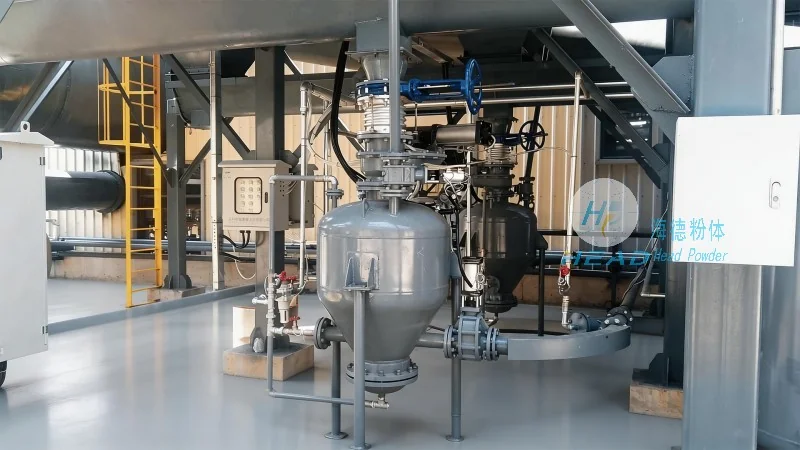
- Pneumatic Conveying: Pneumatic conveying systems use air pressure to transport stone aggregates through a pipeline. This method is highly flexible and can handle both horizontal and vertical transport, making it suitable for complex layouts and multiple destinations. Pneumatic conveying is particularly advantageous for applications requiring dust control, as the material is contained within a sealed system. It also allows for the integration of multiple conveying lines and can be easily automated for continuous operation.
Introduction to Stone Aggregate Pneumatic Conveying
Among the various stone aggregate conveying methods, pneumatic conveying stands out for its versatility, efficiency, and ability to handle a wide range of material types. Pneumatic conveying systems utilize compressed air to transport bulk materials through a network of pipes. The system typically consists of a hopper for material storage, a blower or compressor to generate air pressure, and a pipeline network that directs the material to the discharge point. The material is carried by the air flow, either in a dilute phase (where particles are suspended in the air) or a dense phase (where particles are more concentrated), depending on the system design and material characteristics.
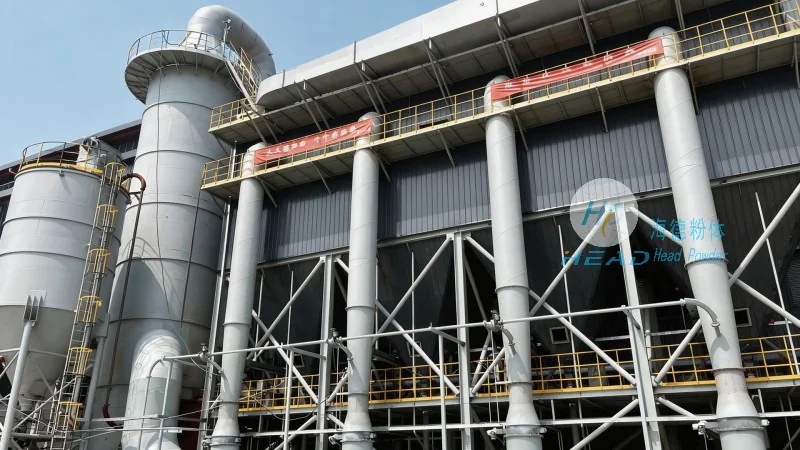
One of the key advantages of pneumatic conveying is its ability to transport materials over long distances and through complex layouts without the need for multiple transfer points. This reduces the risk of material spillage and contamination, which is particularly important for stone aggregates used in high-quality construction applications. Additionally, pneumatic conveying systems can be easily integrated with other processing equipment, such as crushers, screens, and mixers, creating a seamless material flow within a facility.
Advantages of Pneumatic Conveying for Stone Aggregates
Pneumatic conveying offers several benefits that make it an attractive option for stone aggregate transportation. First, it provides excellent dust control, as the material is contained within a sealed system. This is crucial for maintaining a clean working environment and complying with environmental regulations. Second, the system is highly flexible, allowing for the transport of materials to multiple destinations from a single source. This flexibility is particularly valuable in large-scale operations where materials need to be distributed to different processing stages or storage areas.
Third, pneumatic conveying systems are relatively compact and can be installed in limited spaces, making them suitable for facilities with space constraints. The absence of moving parts at the discharge point also reduces maintenance requirements and the risk of material damage. Furthermore, the system can be easily automated, allowing for continuous and unattended operation, which enhances overall productivity and reduces labor costs.
Applications of Pneumatic Conveying in Stone Aggregate Processing
Pneumatic conveying is widely used in various applications within the stone aggregate processing industry. In concrete mixing plants, for example, pneumatic systems are used to transport raw materials such as sand, gravel, and crushed stone from storage silos to the mixing area. This ensures a consistent and controlled flow of materials, which is essential for achieving the desired concrete properties. In mining operations, pneumatic conveying is used to transport crushed ore and other materials from the extraction site to processing facilities, reducing the need for heavy machinery and improving safety.
In road construction projects, pneumatic conveying systems are employed to transport aggregates from stockpiles to the construction site. This method is particularly useful for large-scale projects where materials need to be transported over long distances and through challenging terrain. The ability to handle both dry and wet materials makes pneumatic conveying suitable for various construction scenarios, including the transport of recycled aggregates and other specialty materials.
Considerations for Selecting a Pneumatic Conveying System
When selecting a pneumatic conveying system for stone aggregate transportation, several factors must be considered to ensure optimal performance and efficiency. The first consideration is the material characteristics, including particle size, density, and moisture content. These factors determine the appropriate system design, such as the type of air flow (dilute or dense phase) and the required air pressure. For example, fine or abrasive materials may require a dense phase system to prevent pipeline wear and ensure smooth transport.
Second, the distance and layout of the conveying system are critical. Long-distance or complex layouts may require multiple blowers or booster stations to maintain sufficient air pressure and material flow. The system design should also consider the need for dust control and material containment, as these factors directly impact operational safety and environmental compliance.
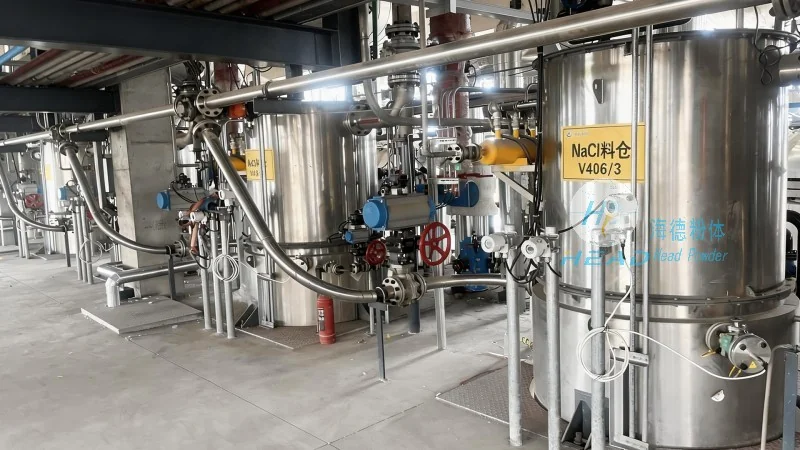
Third, the capacity and throughput requirements of the system must be matched to the production needs. Overdesigning the system can lead to unnecessary energy consumption and increased costs, while underdesigning may result in bottlenecks and reduced productivity. It is essential to work with experienced engineers and manufacturers to ensure the system is properly sized and configured for the specific application.
Conclusion
Stone aggregate conveying is a critical aspect of industrial and construction operations, and the choice of conveying method significantly impacts overall efficiency and cost. While traditional methods like belt conveyors and bucket elevators remain popular, pneumatic conveying systems offer unique advantages in terms of flexibility, dust control, and integration with other processing equipment. For applications requiring long-distance, complex, or automated material transport, pneumatic conveying is often the preferred solution.
Shandong HeadPowder Engineering Co., Ltd., a leading provider of industrial conveying solutions, specializes in designing and manufacturing advanced pneumatic conveying systems tailored to the specific needs of stone aggregate processing. With a focus on efficiency, reliability, and environmental compliance, HeadPowder offers customized solutions that enhance operational performance and support sustainable construction practices. Whether for concrete production, mining operations, or road construction, HeadPowder's pneumatic conveying systems provide the flexibility and durability needed to meet the demands of modern stone aggregate processing.




