Dry material conveying is a critical process in various industries, including pharmaceuticals, food processing, chemical manufacturing, and more. The efficient and reliable transport of bulk dry materials from one location to another is essential for maintaining production efficiency, ensuring product quality, and reducing operational costs. Among the various methods available, pneumatic conveying systems have emerged as a popular choice due to their versatility, flexibility, and ability to handle a wide range of dry materials. This article explores common dry material conveying methods and provides an overview of pneumatic conveying systems, highlighting their advantages and applications.
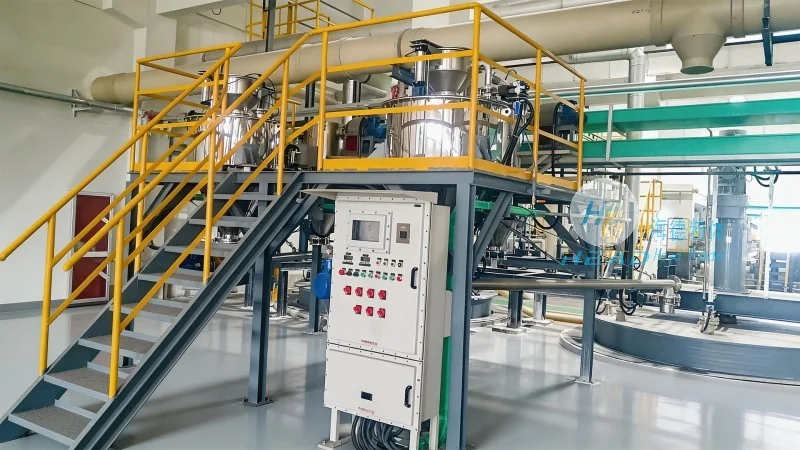
Understanding Dry Material Conveying Methods
Dry material conveying involves the movement of bulk solid materials without the use of mechanical components that directly contact the material. The primary goal is to transport these materials safely, efficiently, and in a manner that preserves their integrity. Several methods are commonly employed in industrial settings, each with its own set of advantages and limitations. The choice of method depends on factors such as material characteristics, distance to be covered, required flow rate, and environmental considerations.
Common Dry Material Conveying Methods
1. Pneumatic Conveying: This method uses compressed air or other gases to transport dry materials through a pipeline. Pneumatic systems can be classified into two main types: pressure and vacuum. Pressure systems use compressed air to push material through the pipeline, while vacuum systems use a vacuum to draw material into the line. Pneumatic conveying is particularly effective for handling fine powders, granules, and other dry materials that are prone to dust or segregation. It offers advantages such as minimal product contamination, the ability to transport materials over long distances, and the flexibility to integrate with existing production lines.
2. Mechanical Conveying: Mechanical systems utilize mechanical components like belts, screws, or buckets to move dry materials. Belt conveyors are widely used for transporting bulk materials over short to medium distances, while screw conveyors are ideal for handling granular or powdery materials in vertical or horizontal orientations. Mechanical conveying is generally more cost-effective for short-distance transport and is suitable for materials that are not sensitive to air exposure. However, it may not be as effective for fine powders or materials that are prone to dust generation.
3. Vacuum Conveying: Similar to pneumatic conveying, vacuum systems use a vacuum to draw material into the pipeline. This method is often used for handling materials that are difficult to move by pressure systems, such as those with high moisture content or those that are prone to caking. Vacuum conveying is particularly useful for transporting materials from multiple sources or for cleaning and collecting dust from production areas. It offers the advantage of being able to transport materials over moderate distances while maintaining a clean and controlled environment.
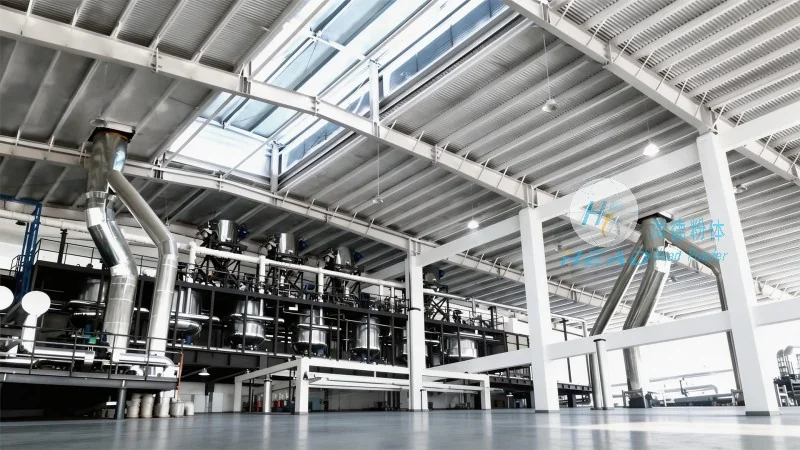
4. Hybrid Conveying Systems: In some cases, a combination of pneumatic and mechanical conveying methods is used to achieve optimal performance. For example, a pneumatic system may be used to transport materials from a storage silo to a processing unit, while a mechanical conveyor is used to move the material within the processing area. Hybrid systems allow for greater flexibility and can be tailored to meet specific operational requirements, such as varying flow rates or material characteristics.
Pneumatic Conveying Systems: Advantages and Applications
Pneumatic conveying systems, particularly those used for dry materials, offer several key advantages that make them a preferred choice in many industries. These advantages include:
- Minimal Product Contamination: Pneumatic systems use air as the conveying medium, which does not come into direct contact with the material. This reduces the risk of contamination, making it suitable for handling food, pharmaceutical, and other sensitive materials.
- Efficient Material Handling: Pneumatic conveying can handle a wide range of materials, including fine powders, granules, and bulk solids. It can transport materials over long distances with minimal loss or degradation.
- Flexibility and Scalability: Pneumatic systems can be easily modified or expanded to accommodate changes in production volume or material types. They can be integrated with existing equipment and can be designed to meet specific operational requirements.
- Reduced Downtime: Pneumatic conveying systems are generally more reliable and require less maintenance compared to mechanical systems. This reduces downtime and increases overall productivity.
Applications of pneumatic conveying systems for dry materials include:
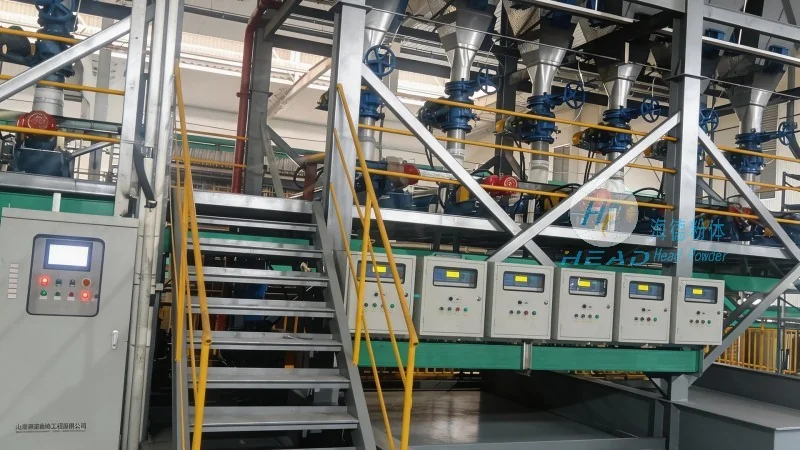
- Pharmaceutical Industry: Transporting active pharmaceutical ingredients (APIs), excipients, and finished dosage forms in a sterile and controlled environment.
- Food Processing: Moving ingredients like flour, sugar, and spices in food production facilities, ensuring hygiene and product quality.
- Chemical Manufacturing: Conveying powders and granules in chemical plants, where precise control over material flow is critical.
- Mineral Processing: Handling raw materials like ores and minerals in mining and processing operations.
Shandong HeadPowder Engineering Co., Ltd.: Expertise in Dry Material Conveying
Shandong HeadPowder Engineering Co., Ltd. is a leading provider of dry material conveying solutions, specializing in the design, manufacturing, and installation of pneumatic conveying systems. With years of experience in the industry, the company has developed a reputation for delivering high-quality, reliable, and efficient conveying systems tailored to the unique needs of its clients. HeadPowder's expertise lies in understanding the specific requirements of each application and providing customized solutions that meet or exceed industry standards.
HeadPowder's team of engineers and technicians work closely with clients to assess their material handling challenges and develop optimal conveying solutions. The company uses advanced technology and materials to ensure that its systems are durable, low-maintenance, and capable of handling a wide range of dry materials. From small-scale laboratory applications to large-scale industrial operations, HeadPowder offers a comprehensive range of pneumatic conveying systems that are designed to enhance productivity and improve overall operational efficiency.
HeadPowder's commitment to quality and customer satisfaction is evident in its approach to service and support. The company provides comprehensive after-sales support, including maintenance, repair, and technical assistance, to ensure that its systems continue to operate at peak performance. With a focus on innovation and customer-centric solutions, HeadPowder is a trusted partner for businesses seeking reliable and efficient dry material conveying solutions.
Conclusion
Dry material conveying is a complex process that requires careful consideration of material characteristics, operational requirements, and environmental factors. Among the various methods available, pneumatic conveying systems offer significant advantages in terms of efficiency, flexibility, and product quality. Shandong HeadPowder Engineering Co., Ltd. is a leading provider of pneumatic conveying solutions, with a proven track record of delivering high-quality systems that meet the needs of diverse industries. By leveraging advanced technology and a customer-focused approach, HeadPowder helps businesses improve their material handling processes and achieve greater operational efficiency.




