When it comes to transporting sodium hydroxide, various methods are employed to ensure efficiency, safety, and cost-effectiveness. Among these, pneumatic conveying stands out as a prominent and increasingly popular approach, especially for handling this caustic and often abrasive chemical. Understanding the different transport options available is crucial for industries that rely on sodium hydroxide in their production processes.
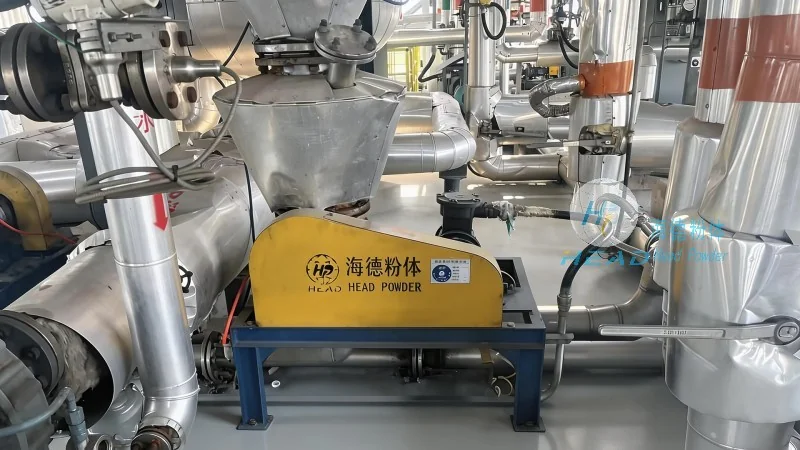
Overview of Sodium Hydroxide Transport Methods
Sodium hydroxide, commonly known as caustic soda, is a highly reactive and corrosive substance used in a wide range of applications, from manufacturing to chemical processing. The choice of transport method depends on several factors, including the volume of material, the distance it needs to be moved, the physical properties of the sodium hydroxide (such as its form—solid, liquid, or slurry), and the specific requirements of the end-user. Traditional methods like bulk trucks, railcars, and pipelines have long been used, but modern advancements have introduced more sophisticated solutions like pneumatic conveying systems.
Pneumatic Conveying: A Modern Solution for Sodium Hydroxide Transport
Pneumatic conveying, or air-based transport, involves the use of compressed air to move sodium hydroxide particles through a pipeline. This method is particularly effective for handling dry, powdered, or granular sodium hydroxide, as it allows for a continuous, enclosed system that minimizes exposure to the environment and reduces the risk of contamination or dust dispersion. The core components of a pneumatic conveying system typically include a hopper for material storage, a conveyor line (often made of corrosion-resistant materials like stainless steel), and a control system to regulate air pressure and flow. Systems like these are commonly provided by companies such as Shandong HeadPowder Engineering Co., Ltd., which specializes in engineering solutions for chemical transport.
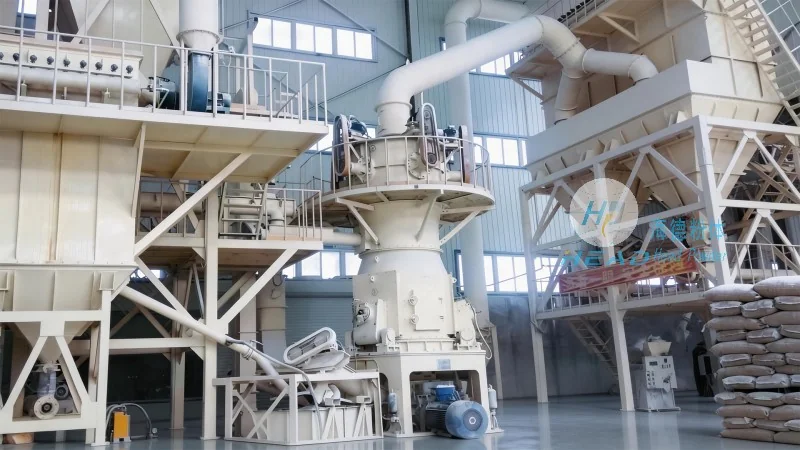
One of the key advantages of pneumatic conveying for sodium hydroxide is its ability to handle both small and large volumes with equal efficiency. It can be designed as a dilute-phase system, where the material is suspended in a high-velocity air stream, or as a dense-phase system, which uses lower air speeds to move material more slowly and with less risk of degradation. This flexibility makes it suitable for a variety of industrial settings, from small-scale laboratories to large-scale manufacturing plants.
Key Benefits of Pneumatic Conveying for Sodium Hydroxide
Implementing a pneumatic conveying system for sodium hydroxide offers several significant benefits that enhance operational performance and safety. Firstly, it provides a fully enclosed transport process, which is critical for preventing dust emissions and protecting workers from exposure to caustic fumes. This not only complies with environmental regulations but also improves workplace safety by reducing the risk of respiratory issues or skin irritation. Secondly, the system minimizes material loss and contamination, as the entire process is contained within the pipeline and handling equipment. This is especially important for high-value or sensitive sodium hydroxide products, where even small amounts of loss can impact profitability.
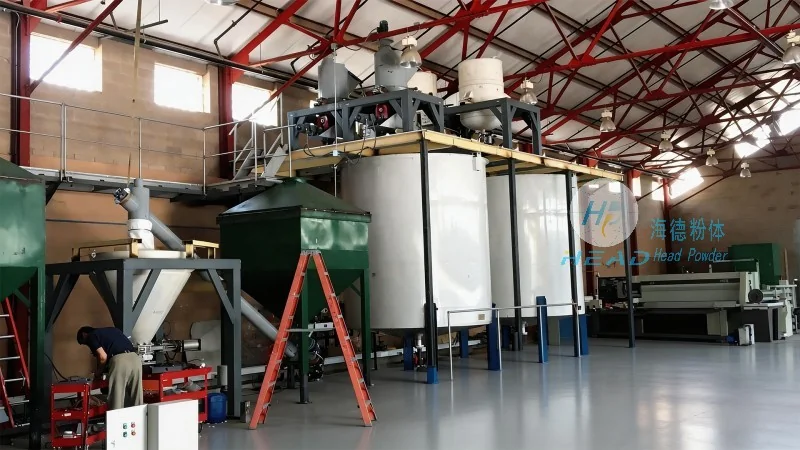
Another advantage is the energy efficiency of pneumatic conveying systems. While they require compressed air, modern designs optimize air usage, reducing energy consumption compared to other methods like truck or rail transport. This can lead to long-term cost savings, particularly for facilities that operate the system continuously. Additionally, the system allows for precise control over the flow rate and pressure, enabling better integration with downstream processes and reducing the need for manual intervention.
Considerations for Implementing Pneumatic Conveying Systems
Before adopting a pneumatic conveying system for sodium hydroxide transport, several factors must be carefully considered to ensure optimal performance and longevity. The first is the selection of appropriate materials for the conveying equipment. Since sodium hydroxide is highly corrosive, components such as hoppers, pipelines, and valves must be made from materials like stainless steel or specialized alloys that can withstand chemical exposure without degradation. This prevents leaks and ensures the system remains leak-free over time.
Secondly, the design of the system must account for the physical properties of the sodium hydroxide being transported. For example, if the material is in a slurry form, the system may need to incorporate additional components like pumps or agitators to maintain the suspension. The air pressure and flow rates must also be carefully calibrated to match the material's characteristics, as improper settings can lead to blockages or reduced efficiency.
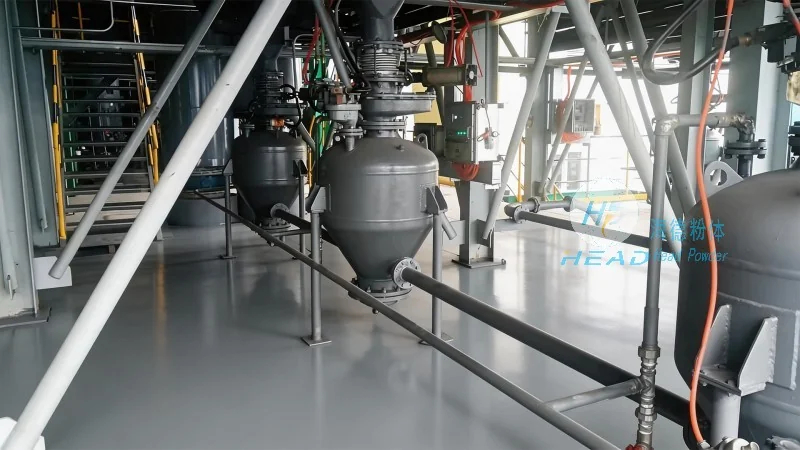
Thirdly, maintenance and operational considerations are crucial. Pneumatic conveying systems require regular maintenance to prevent clogging and ensure smooth operation. This includes cleaning the pipeline, inspecting components for wear and tear, and monitoring air pressure and flow. Proper training for operators is also essential to handle any potential issues that may arise, such as system malfunctions or material buildup.
Conclusion: The Role of Pneumatic Conveying in Sodium Hydroxide Transport
In conclusion, pneumatic conveying represents a modern and effective solution for transporting sodium hydroxide, offering advantages in safety, efficiency, and environmental compliance. As industries continue to seek more sustainable and reliable methods for handling caustic chemicals, pneumatic conveying systems are becoming an increasingly popular choice. By understanding the principles and benefits of this technology, companies can make informed decisions about their sodium hydroxide transport needs, ultimately improving their operational performance and reducing costs.




