

What is Ammonium Bicarbonate Material Pneumatic Conveying? And What Are the Design Principles?
Ammonium bicarbonate is a widely used chemical compound in various industrial and agricultural applications. When it comes to handling this material, especially in bulk quantities, the method of pneumatic conveying becomes crucial. This article aims to explore what ammonium bicarbonate material pneumatic conveying entails and delve into the underlying design principles that make such systems effective and efficient.
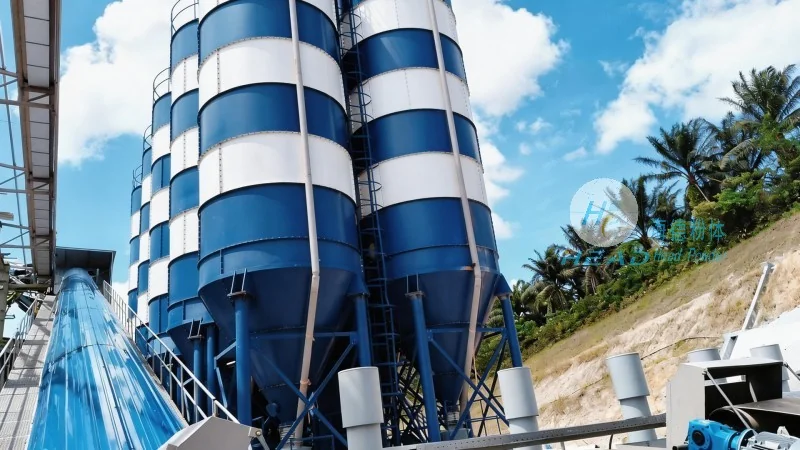
Understanding Ammonium Bicarbonate Material Pneumatic Conveying
Ammonium bicarbonate material pneumatic conveying refers to the process of transporting ammonium bicarbonate particles through a pipeline using a gas stream, typically air. This method eliminates the need for traditional mechanical conveyors, such as screw conveyors or belt conveyors, which can be prone to material degradation, blockages, or contamination. The pneumatic system relies on the principles of fluid dynamics and particle mechanics to move the material from the source to the destination.
The Core Design Principles of Pneumatic Conveying Systems
The design of an ammonium bicarbonate pneumatic conveying system involves several key principles that ensure optimal performance. First, the system must be capable of generating sufficient air velocity to lift and transport the particles. The air velocity must be high enough to overcome the gravitational force acting on the particles and maintain them in suspension within the pipeline. This is often achieved through the use of a blower or compressor that provides the necessary pressure and flow rate.
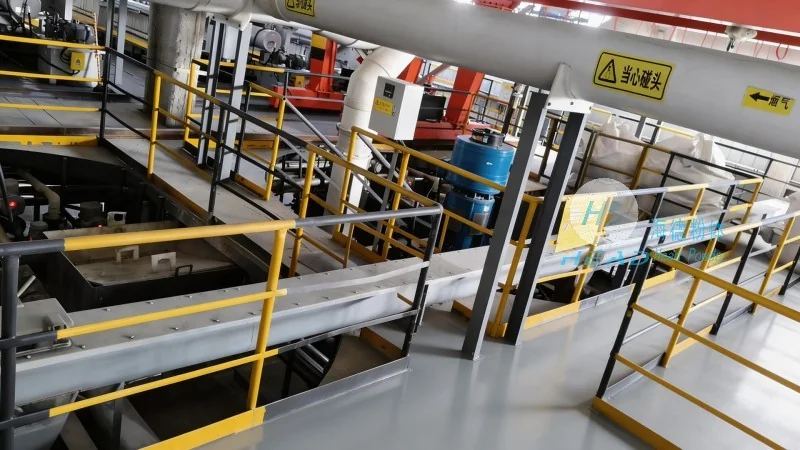
Second, the system must be designed to handle the specific properties of ammonium bicarbonate. This includes considering the particle size distribution, density, and flow characteristics. For example, if the particles are fine and have a high tendency to agglomerate, the system may require additional features like in-line mixers or vibrators to prevent blockages and ensure smooth flow. The pipeline design, including the diameter and length, is also critical. Larger diameters reduce pressure drop and energy consumption, while shorter lengths minimize the risk of particle degradation due to friction and heat.
Third, the system must incorporate proper control mechanisms to regulate the flow rate and pressure. This includes pressure sensors, flow meters, and control valves that allow operators to adjust the system parameters in real-time. The control system ensures that the conveying process is stable and efficient, preventing overloading or underloading of the system. Additionally, the system may include safety features such as pressure relief valves and dust collection systems to protect the equipment and the environment from potential hazards.
Key Components of a Pneumatic Conveying System for Ammonium Bicarbonate
A typical ammonium bicarbonate pneumatic conveying system consists of several key components. The primary components include a material feed hopper, a blower or compressor, a pipeline system, and a receiving hopper. The feed hopper is used to store and feed the ammonium bicarbonate into the system. The blower or compressor provides the necessary air pressure and flow rate to move the material through the pipeline. The pipeline system is designed to transport the material from the feed point to the receiving point, with appropriate bends and fittings to maintain the flow direction and minimize pressure losses.
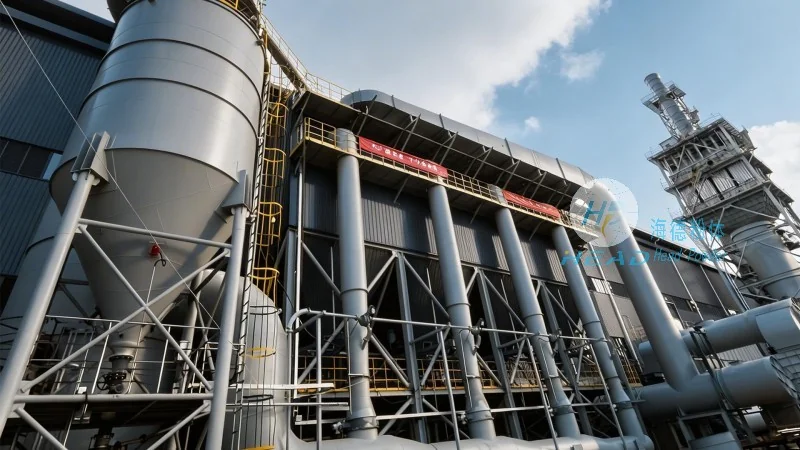
The receiving hopper collects the conveyed material and discharges it into the final storage or processing area. In addition to these primary components, the system may include auxiliary components such as in-line mixers, vibrators, or dust collectors. In-line mixers are used to break up agglomerates and ensure uniform flow, while vibrators help to prevent blockages in the pipeline. Dust collectors are essential for capturing any airborne particles and preventing environmental contamination.
About Shandong HeadPowder Engineering Co., Ltd.
Shandong HeadPowder Engineering Co., Ltd. is a leading provider of pneumatic conveying solutions for various industrial applications. With years of experience in the field, the company specializes in designing and manufacturing customized pneumatic conveying systems tailored to the specific needs of clients. The company's headquarters is located in Shandong, China, and it serves clients globally with its expertise in material handling technology.