

What is Polyvinyl Butyral (PVB) Material Pneumatic Conveying? And What Are the Design Principles?
Polyvinyl butyral (PVB) is a versatile polymer widely used in various industries, including automotive, construction, and optical applications. Its unique properties, such as high optical clarity and excellent adhesion, make it a critical component in many products. However, handling PVB materials efficiently and safely is essential for manufacturers to maintain production efficiency and product quality. Pneumatic conveying, a method of transporting bulk materials through a pipeline using air or other gases, offers a solution for PVB material handling. This article explores what PVB material pneumatic conveying is and the key design principles that ensure its effective implementation.
PVB Material Pneumatic Conveying: An Overview
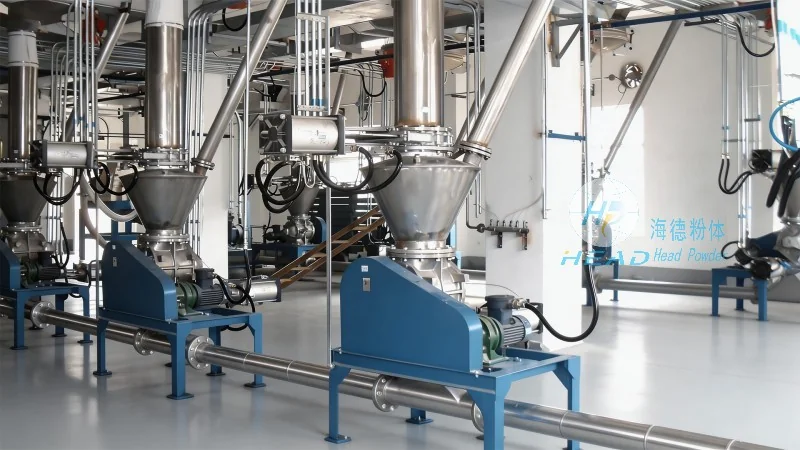
PVB material pneumatic conveying involves the transport of polyvinyl butyral particles or powders through a sealed pipeline system using a pressurized air stream. The process typically includes a feeding device, a conveying line, a separation unit, and a discharge mechanism. The air flow creates a low-pressure zone in the conveying line, which draws the PVB material into the system. As the material travels through the pipeline, it is suspended and carried by the air stream to the destination. This method is particularly suitable for PVB materials due to their relatively low density and the need to avoid contamination or degradation during transport.
Key Design Principles for PVB Material Pneumatic Conveying Systems
The successful design of a PVB material pneumatic conveying system relies on several critical principles that ensure efficient, reliable, and safe operation. These principles include system pressure selection, pipeline design, material handling considerations, and equipment selection. Each of these aspects plays a vital role in optimizing the performance of the conveying system.
System Pressure Selection
Choosing the appropriate system pressure is a fundamental design consideration for PVB material pneumatic conveying. The pressure level determines the conveying velocity and the distance over which the material can be transported. For PVB materials, which are often fine powders or granules, moderate to high pressures are typically required to achieve sufficient conveying velocity. The pressure must be sufficient to overcome friction losses in the pipeline and maintain the material in suspension. However, excessive pressure can lead to increased energy consumption and potential equipment wear. Engineers must balance these factors to select the optimal pressure that matches the specific characteristics of the PVB material and the required conveying distance.
Pipeline Design and Layout
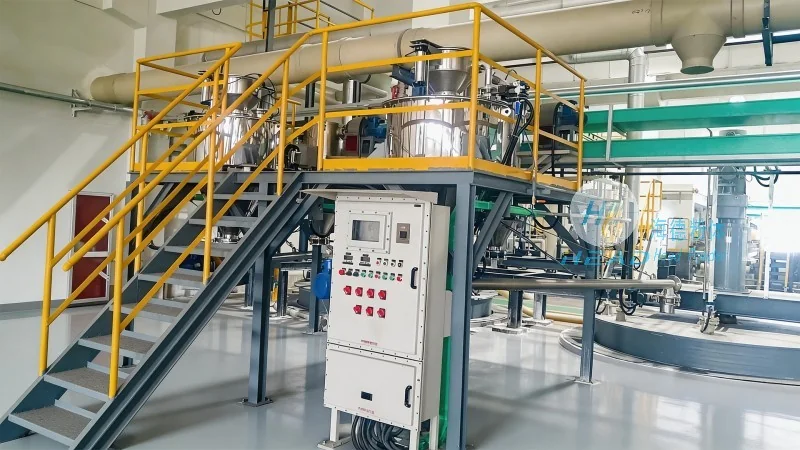
The design of the conveying pipeline is crucial for the efficient transport of PVB materials. The pipeline must be constructed from materials that are compatible with PVB and resistant to chemical attack or abrasion. Common materials include stainless steel, polyethylene, or specialized coatings that prevent material buildup and ensure smooth flow. The pipeline layout should minimize bends and changes in direction to reduce pressure losses and prevent material deposition. Each bend and elbow introduces additional friction, which can cause the PVB particles to settle and block the pipeline. Therefore, the design should incorporate smooth transitions and use appropriate elbow sizes to maintain the material in suspension. Additionally, the pipeline should be equipped with pressure relief valves and check valves to prevent backflow and maintain system stability.
Material Handling and Feeding
The feeding mechanism is a critical component of the PVB material pneumatic conveying system, as it directly affects the flow rate and consistency of the material entering the pipeline. For PVB powders, a rotary valve or a star feeder is commonly used to provide a controlled and continuous feed. These devices ensure that the material is introduced into the system at a steady rate, preventing surges or blockages that could disrupt the conveying process. The feeding device must be designed to handle the specific properties of PVB, such as its tendency to stick to surfaces or form agglomerates. Proper maintenance and cleaning of the feeding mechanism are essential to avoid material buildup and ensure consistent operation. The feeding rate is typically adjusted based on the required conveying capacity and the system pressure, ensuring that the material is adequately suspended and transported without excessive pressure losses.
Separation and Discharge
At the end of the conveying line, the PVB material must be separated from the air stream and discharged into the receiving container. This process involves a separation unit, such as a cyclone or a bag filter, which uses centrifugal force or filtration to separate the material from the air. The choice of separation equipment depends on the particle size and density of the PVB material. For fine PVB powders, a cyclone separator is often used due to its efficiency in capturing small particles. The separated material is then collected in a hopper or a container, while the air is either filtered and recirculated or vented to the atmosphere. The discharge mechanism must be designed to handle the material's properties, such as its flowability or tendency to clog. A properly designed discharge system ensures that the PVB material is collected without loss or contamination, maintaining the quality of the final product.
Equipment Selection and Maintenance
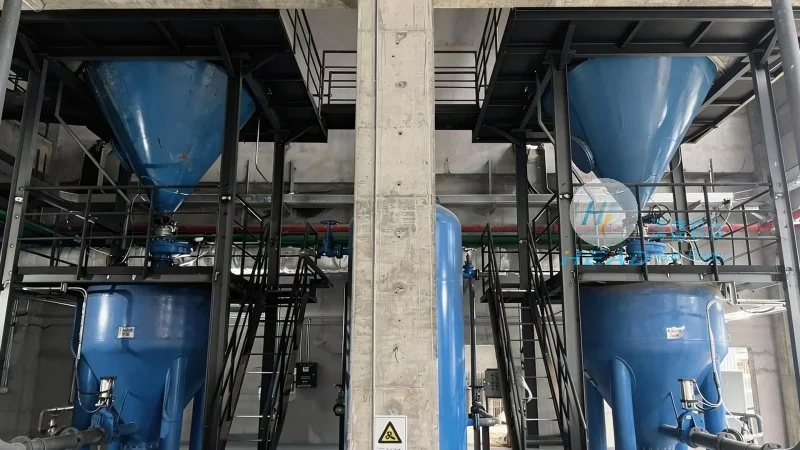
The selection of appropriate equipment is vital for the reliable operation of PVB material pneumatic conveying systems. Key equipment includes the air compressor, which provides the necessary pressure for the conveying process, and the conveying line components, such as pipes, elbows, and valves. The air compressor must be capable of delivering the required pressure and flow rate, and it should be equipped with filters and dryers to ensure that the air is clean and dry, preventing contamination of the PVB material. The conveying line components must be designed to handle the specific characteristics of PVB, such as its abrasiveness or tendency to stick to surfaces. Regular maintenance of the equipment is essential to ensure optimal performance and prevent downtime. This includes cleaning the pipeline, checking for leaks, and replacing worn parts. Proper maintenance not only extends the life of the equipment but also ensures consistent conveying performance and product quality.
Application Examples and Benefits
PVB material pneumatic conveying is widely used in various applications, including the production of automotive windshields, construction adhesives, and optical films. In automotive applications, PVB is used as a interlayer in laminated glass, and efficient conveying is crucial for maintaining the quality of the final product. The benefits of PVB material pneumatic conveying include improved safety, as the material is transported in a sealed system, reducing the risk of dust exposure or environmental contamination. It also enhances production efficiency by allowing for continuous operation and minimizing material handling time. Additionally, the method reduces the need for manual handling, which can be hazardous and time-consuming. The design principles discussed above ensure that the system operates reliably and efficiently, providing manufacturers with a cost-effective solution for PVB material transport.
About Shandong HeadPowder Engineering Co., Ltd.
Shandong HeadPowder Engineering Co., Ltd., commonly known as HeadPowder, is a leading provider of engineering solutions for material handling and processing. With a focus on innovation and quality, HeadPowder specializes in the design and manufacturing of pneumatic conveying systems for various industries, including chemical, food, and pharmaceutical sectors. The company's expertise in PVB material handling has enabled it to develop advanced solutions that meet the specific needs of manufacturers. HeadPowder's commitment to customer satisfaction and technical excellence has made it a trusted partner for businesses seeking reliable material handling solutions. Based in Shandong, China, HeadPowder leverages its local resources and industry knowledge to deliver high-quality products and services to clients worldwide.