Molybdenum concentrate, a vital raw material in diverse industrial sectors, requires efficient and reliable transport solutions to support seamless production workflows. The selection of an appropriate transport method is influenced by factors such as material characteristics, operational distance, and process requirements. Among the available options, pneumatic conveying stands out as a flexible and effective technology for handling molybdenum concentrate. This article examines common molybdenum concentrate transport methods, with a focus on the benefits and applications of pneumatic conveying systems.
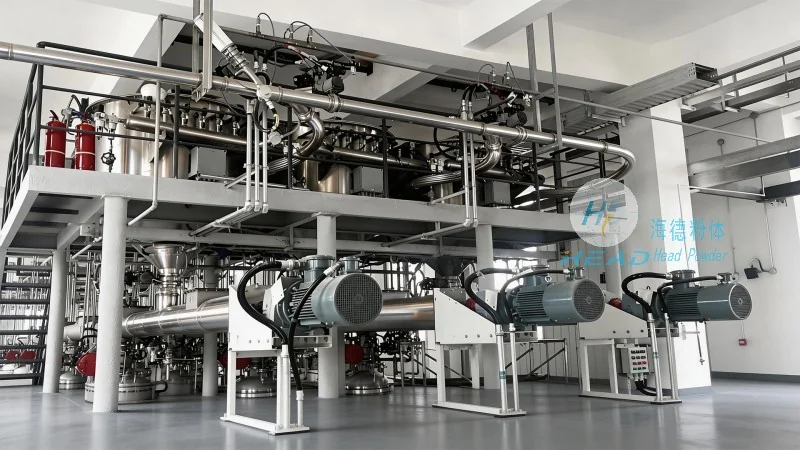
Introduction to Molybdenum Concentrate Transport
Molybdenum concentrate is typically a fine, powdery substance that demands specialized handling to preserve its quality and prevent degradation. Traditional transport methods like gravity flow or mechanical conveyors may not always be optimal due to the material's tendency to agglomerate or generate dust. Consequently, choosing the right transport system is essential for maximizing production efficiency and minimizing operational risks. Companies operating in the molybdenum processing industry often evaluate multiple alternatives to determine the most cost-effective and reliable solution for their specific operational needs.
Common Molybdenum Concentrate Transport Methods
Several transport methods are widely used in the molybdenum industry, each with distinct advantages and limitations. The primary approaches include gravity flow, mechanical conveyors (such as belt and screw conveyors), and pneumatic conveying systems. Gravity flow involves utilizing inclined chutes to move material under the influence of gravity, which is suitable for short distances and low material volumes. Mechanical conveyors employ mechanical components like belts or screws to transport material, offering greater control over speed and direction. However, these methods may encounter challenges with fine powders, potentially leading to material degradation or increased maintenance expenses.
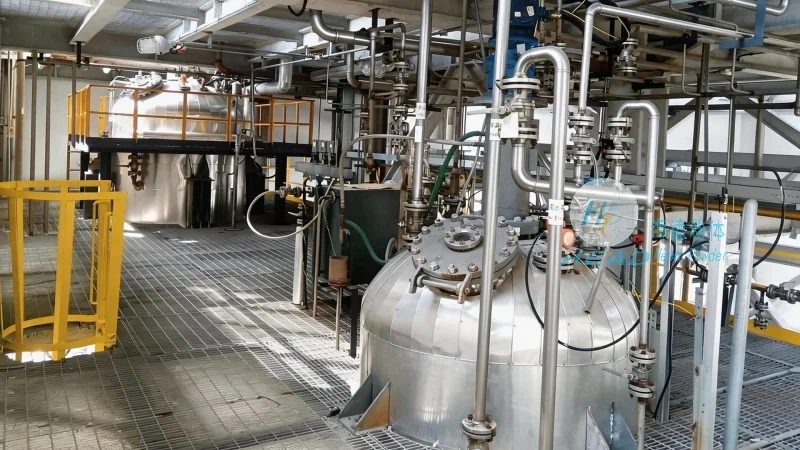
Pneumatic Conveying: A Versatile Solution for Molybdenum Concentrate
Pneumatic conveying, also known as air conveying, utilizes pressurized air or vacuum to transport dry bulk materials like molybdenum concentrate through a pipeline network. This technology offers several advantages over conventional methods, including the ability to handle fine powders without degradation, reduced dust generation, and enhanced process control. The system generally consists of a hopper, a feeder, a pipeline, and a receiver, with material being carried by air flow. There are two main types of pneumatic conveying: pressure and vacuum systems. Pressure systems use compressed air to push material through the pipeline, while vacuum systems employ a vacuum to pull material from the source to the destination.
Advantages of Pneumatic Conveying for Molybdenum Concentrate
For molybdenum concentrate transport, pneumatic conveying provides several key benefits. First, it minimizes material degradation by avoiding direct contact with mechanical components, which is crucial for maintaining the quality of the concentrate. Second, it reduces dust contamination and improves workplace safety by containing the material within a closed system. Third, pneumatic conveying systems can handle long distances and multiple transfer points, making them suitable for large-scale industrial operations. Additionally, these systems offer flexibility in layout and integration with other processing equipment, allowing for seamless integration into existing production lines.
Applications of Pneumatic Conveying in Molybdenum Processing
The versatility of pneumatic conveying makes it applicable across various stages of molybdenum processing. For example, it is commonly used to transport molybdenum concentrate from mining sites to processing plants, or between different processing units within a facility. In the refining stage, pneumatic conveying can be utilized to move the concentrate to furnaces or reactors for further processing. Furthermore, it is effective in handling byproducts or waste materials, ensuring all materials are efficiently and safely transported throughout the production cycle. The ability to handle fine powders without segregation or loss is particularly valuable in maintaining the purity and consistency of the molybdenum concentrate.
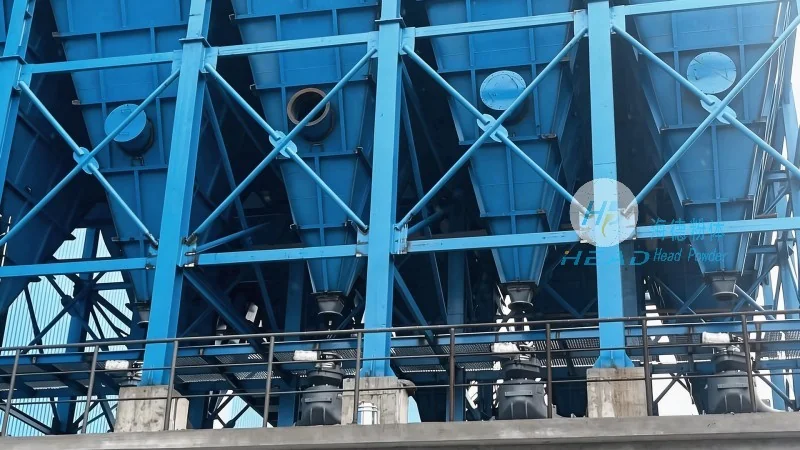
Key Considerations for Implementing Pneumatic Conveying Systems
While pneumatic conveying offers numerous benefits, several factors must be considered when implementing such a system for molybdenum concentrate transport. The first consideration is the material's properties, including particle size, density, and flowability. These characteristics will determine the appropriate conveying velocity and system design to prevent blockages or system failure. Second, the distance and number of transfer points will influence the system's complexity and cost. Longer distances or multiple transfers may require larger compressors or additional equipment to maintain sufficient air pressure. Third, the system's integration with existing infrastructure, such as storage silos or processing equipment, must be carefully planned to ensure smooth operation and minimal downtime. Finally, maintenance and operational costs should be evaluated, as pneumatic conveying systems require regular cleaning and maintenance to prevent material buildup and ensure long-term reliability.
Conclusion
In conclusion, the choice of molybdenum concentrate transport method is critical to the efficiency and success of molybdenum processing operations. While traditional methods like gravity flow and mechanical conveyors have their uses, pneumatic conveying emerges as a superior option for handling fine powders with high reliability and minimal degradation. Companies in the molybdenum industry, such as Shandong HeadPowder Engineering Co., Ltd., based in China, leverage advanced pneumatic conveying technologies to optimize their production processes and meet the demands of modern industrial applications. By understanding the advantages and considerations of different transport methods, manufacturers can select the most suitable system to enhance productivity, reduce costs, and ensure the quality of their molybdenum concentrate products.




