Glutamic acid monosodium salt, commonly known as MSG, is a widely used food additive in the food industry. The efficient and reliable transportation of this product from production to packaging is crucial for maintaining quality and ensuring smooth production lines. This article provides an overview of the equipment used in pneumatic conveying systems for glutamic acid monosodium salt, along with an explanation of its structural principles and operational mechanisms.
Company Profile and Background
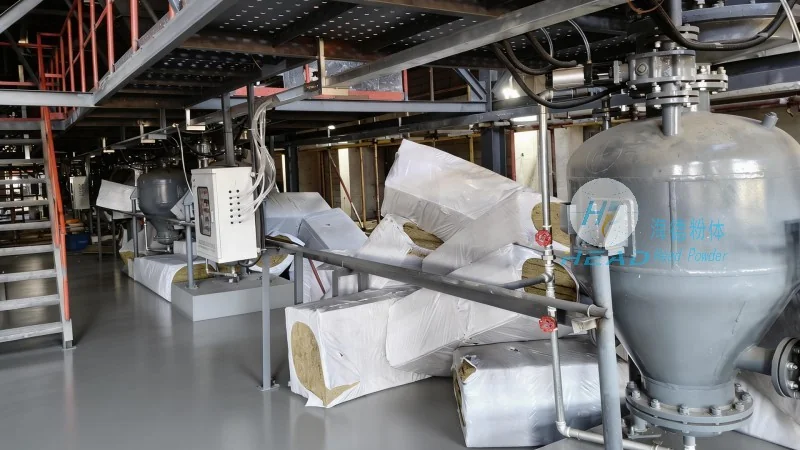
Shandong HeadPowder Engineering Co., Ltd., a leading manufacturer in the field of powder processing and conveying systems, specializes in providing customized solutions for various industrial applications. With years of experience and a commitment to innovation, HeadPowder has become a trusted partner for companies seeking advanced and efficient pneumatic conveying equipment. The company's headquarters is located in Shandong, China, where it operates a state-of-the-art research and development center, as well as a production facility equipped with modern manufacturing technologies.
Introduction to Pneumatic Conveying Systems for Glutamic Acid Monosodium Salt
Pneumatic conveying systems are widely used in the food and chemical industries for the transport of dry powders, including glutamic acid monosodium salt. These systems utilize air or other gases to move materials through a pipeline, eliminating the need for mechanical components such as belts or buckets. The primary advantage of pneumatic conveying is its ability to handle delicate powders without causing degradation or contamination, which is critical for products like MSG that require strict quality control.
Key Components of the Pneumatic Conveying System
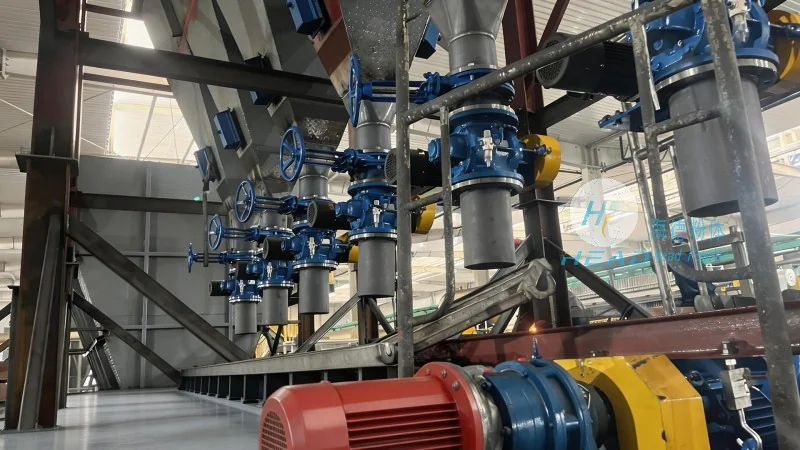
The pneumatic conveying system for glutamic acid monosodium salt typically consists of several key components, each playing a vital role in the overall operation. These components include the material hopper, feeder, air compressor, conveying line, and receiver. The material hopper is used to store the glutamic acid monosodium salt, providing a consistent feed to the system. The feeder, often a rotary valve or a screw feeder, regulates the flow of material into the conveying line, ensuring a steady and controlled discharge.
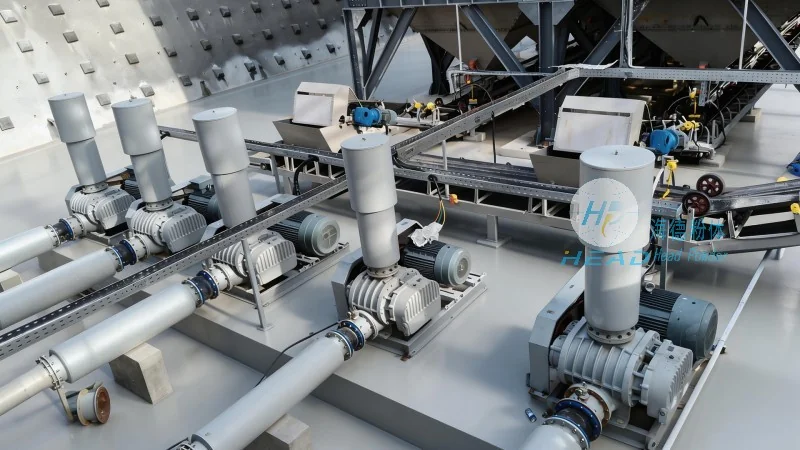
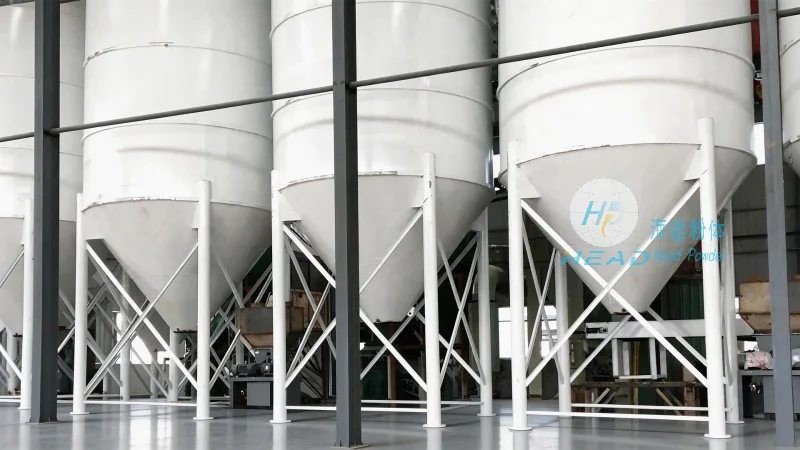
The air compressor is responsible for generating the necessary pressure and airflow to move the material through the pipeline. The conveying line, usually made of stainless steel to prevent corrosion and contamination, transports the material from the hopper to the receiver. The receiver, or silo, is where the material is collected after being conveyed, allowing for further processing or packaging.
Structural Principles and Operational Mechanisms
The structural principles of the pneumatic conveying system are based on the principles of fluid dynamics and particle movement. When air is introduced into the conveying line at a high velocity, it creates a low-pressure zone that draws the material particles into the air stream. The particles are then carried along the pipeline by the airflow, maintaining a suspension that prevents caking or agglomeration. The system operates in either positive or negative pressure modes, depending on the application and the desired material flow.
In positive pressure systems, the air compressor supplies compressed air to the conveying line, creating a high-pressure environment that pushes the material forward. This method is suitable for long-distance or high-temperature applications. In negative pressure systems, the air is drawn from the receiver, creating a vacuum that pulls the material from the hopper. This approach is often used for short-distance or low-temperature applications, as it reduces the risk of product contamination.
Advantages of Using Pneumatic Conveying for Glutamic Acid Monosodium Salt
There are several advantages to using pneumatic conveying systems for glutamic acid monosodium salt. First, the system is highly efficient, with minimal material loss and low maintenance requirements. The absence of mechanical components reduces the risk of product contamination and damage, which is essential for food-grade products. Additionally, pneumatic conveying systems are flexible and can be easily integrated into existing production lines, allowing for scalability and adaptability to changing production needs.
Another advantage is the ability to handle a wide range of particle sizes and moisture contents. Glutamic acid monosodium salt is a fine powder, and the pneumatic conveying system can effectively transport it without causing segregation or degradation. The system also provides good control over the material flow rate, ensuring consistent product quality and preventing overloading or underloading of downstream equipment.
Application Examples and Case Studies
HeadPowder has successfully implemented pneumatic conveying systems for glutamic acid monosodium salt in various food processing facilities. For example, a client in the food industry required a system to transport MSG from a production line to a packaging area over a distance of 50 meters. The HeadPowder team designed a positive pressure pneumatic conveying system with a stainless steel conveying line and a rotary valve feeder. The system was installed and commissioned, achieving a material flow rate of 2 tons per hour with minimal product loss and no contamination issues.
Another application involved a chemical plant that needed to transport glutamic acid monosodium salt from a storage silo to a mixing tank. The HeadPowder team designed a negative pressure system with a high-efficiency air filter to prevent dust contamination. The system was installed and has been operating successfully for over two years, with consistent performance and low maintenance costs.
Conclusion and Future Developments
Pneumatic conveying systems are an essential component of modern food and chemical processing facilities, providing efficient and reliable transportation of glutamic acid monosodium salt. The structural principles and operational mechanisms of these systems have been refined over the years, resulting in improved performance and reduced costs. As the demand for high-quality food products continues to grow, the importance of efficient and hygienic conveying systems will only increase. HeadPowder remains committed to providing innovative and reliable solutions for its clients, ensuring that their products are transported safely and effectively.




