

What is a Zinc Oxide Material Pneumatic Conveying Line? What Are Its Design Principles?
For industrial operations dealing with zinc oxide, an efficient and reliable material handling system is crucial. This article explores the concept of a zinc oxide material pneumatic conveying line and delves into its underlying design principles, highlighting how such systems enhance productivity and safety in material transport. The information presented here is brought to you by Shandong HeadPowder Engineering Co., Ltd., a leading provider of advanced material handling solutions based in China.
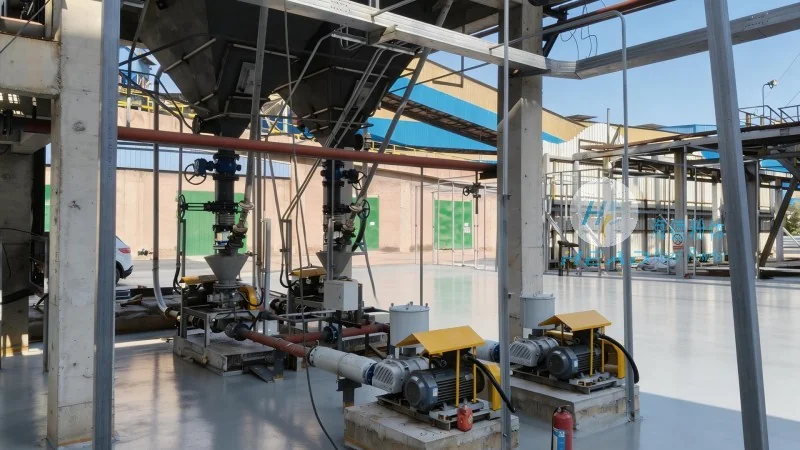
Understanding the Zinc Oxide Material Pneumatic Conveying Line
A zinc oxide material pneumatic conveying line is a specialized system designed to transport zinc oxide powder or granules through a pipeline using compressed air or other gas as the conveying medium. Unlike traditional mechanical conveying methods, such as screw conveyors or belt conveyors, pneumatic conveying offers advantages like minimal product contamination, reduced risk of dust explosions, and the ability to handle fine or abrasive materials without causing wear and tear. The system typically consists of several key components, including a hopper for material storage, a feeder to control the flow rate, a conveying pipeline, a receiver for the material at the destination, and a control system to regulate the entire process.
The Core Design Principles of the System
The design of a zinc oxide material pneumatic conveying line is guided by several fundamental principles to ensure optimal performance and efficiency. One of the primary principles is the selection of appropriate conveying velocity, which must be sufficient to overcome the frictional resistance in the pipeline and prevent material settling or blockages. The velocity is often determined based on the material's properties, such as particle size, density, and flowability, as well as the pipeline diameter and length. Another critical principle is the pressure drop management. The system must maintain a consistent pressure to ensure smooth material flow, and the pressure drop across the pipeline is carefully calculated to avoid excessive energy consumption or system failure.
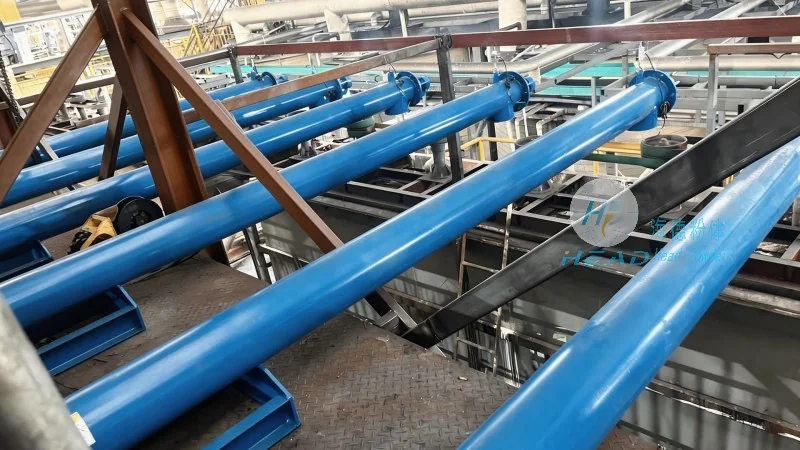
Key Components and Their Functions
Each component of the zinc oxide pneumatic conveying line plays a vital role in the overall operation. The hopper serves as the storage vessel, providing a sufficient volume of material to feed the system continuously. The feeder, which can be a rotary valve or a screw feeder, controls the discharge rate of the material from the hopper, ensuring a steady flow into the conveying pipeline. The conveying pipeline is made of materials resistant to corrosion and abrasion, such as stainless steel or special alloys, to withstand the harsh nature of zinc oxide. The receiver is designed to collect the material at the end of the pipeline, often equipped with a dust collection system to prevent environmental contamination. The control system integrates sensors and valves to monitor and adjust the pressure, flow rate, and other parameters in real-time, ensuring the system operates within safe and efficient limits.
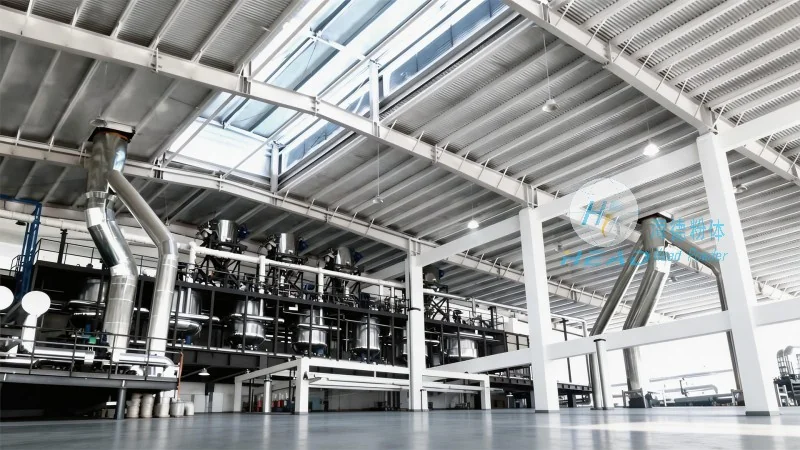
Advantages of Using a Pneumatic Conveying System for Zinc Oxide
Implementing a pneumatic conveying line for zinc oxide offers numerous benefits that contribute to improved operational outcomes. Firstly, it minimizes the risk of product contamination, as the material is enclosed within the pipeline, preventing exposure to external elements or contaminants. This is particularly important for pharmaceutical or food-grade zinc oxide applications where purity is paramount. Secondly, the system reduces labor costs by automating the material handling process, eliminating the need for manual loading and unloading. Thirdly, it enhances workplace safety by eliminating the need for workers to handle large quantities of powder, thereby reducing the risk of dust inhalation or accidents. Additionally, the system can be easily integrated with other production processes, such as mixing or packaging, to create a seamless workflow.
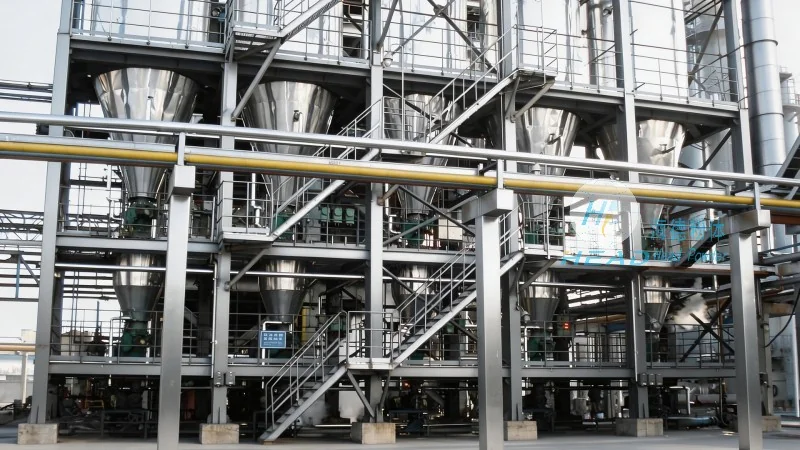
Considerations for Installation and Maintenance
Proper installation and regular maintenance are essential to ensure the long-term performance and reliability of a zinc oxide material pneumatic conveying line. During installation, it is crucial to consider factors like the layout of the pipeline, the elevation changes, and the potential for material buildup or blockages. The system should be installed with appropriate slope to facilitate material flow and prevent settling. Regular maintenance involves checking the condition of the pipeline and components for signs of wear or corrosion, cleaning the system to remove accumulated material, and inspecting the control system for proper functionality. By adhering to a maintenance schedule, the system can operate efficiently for extended periods, minimizing downtime and maximizing productivity.
Conclusion
In conclusion, a zinc oxide material pneumatic conveying line is a sophisticated and efficient solution for transporting zinc oxide in industrial settings. Its design principles, centered on material properties, pressure management, and system integration, ensure optimal performance while addressing safety and operational challenges. As a leading provider of material handling solutions, Shandong HeadPowder Engineering Co., Ltd. specializes in designing and manufacturing such systems tailored to the specific needs of clients, ensuring reliable and cost-effective material transport. By leveraging the advantages of pneumatic conveying, industries dealing with zinc oxide can enhance their productivity, maintain product quality, and improve overall operational efficiency.