

What is a rice husk ash material pneumatic conveying line? What are its design principles?
HeadPowder, a leading engineering company based in Shandong, China, specializes in the design and implementation of advanced material handling systems. Among their portfolio is the rice husk ash material pneumatic conveying line, a sophisticated solution tailored for efficient transportation of rice husk ash—a byproduct of rice processing. This article delves into the core concept of this system and explores the underlying design principles that make it an effective choice for industrial applications.
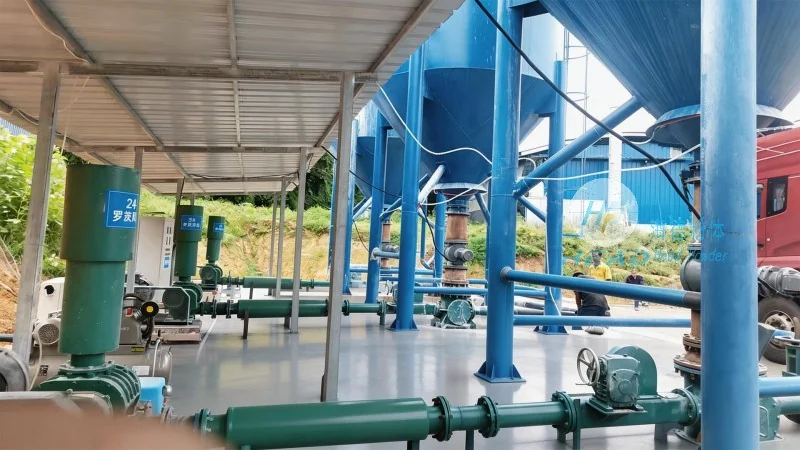
Understanding the Rice Husk Ash Material Pneumatic Conveying Line
The rice husk ash material pneumatic conveying line is a specialized system engineered to transport rice husk ash—a lightweight, fine-grained material—through a pipeline using air pressure. Unlike traditional mechanical conveyors, this pneumatic system utilizes the force of compressed air to move the material from a source to a destination, such as a storage silo or processing unit. The system is designed to handle the unique characteristics of rice husk ash, including its low bulk density and potential for dust generation, ensuring reliable and efficient material transport.
Key Components of the Pneumatic Conveying System
The rice husk ash pneumatic conveying line consists of several critical components that work in tandem to achieve seamless material transport. These components include:
- Feeder Unit: This component is responsible for feeding the rice husk ash into the conveying line at a controlled rate. It ensures a consistent flow of material, preventing blockages and maintaining system efficiency.
- Pneumatic Conveying Pipe: The main pipeline through which the rice husk ash is transported. The pipe is typically made of durable materials like stainless steel or high-density polyethylene to withstand the abrasive nature of the material and resist corrosion.
- Air Compressor: A high-capacity air compressor provides the necessary pressure to move the material through the pipeline. The compressor is designed to handle the specific air volume and pressure requirements of the system, ensuring optimal performance.
- Control System: An advanced control system monitors and regulates the operation of the conveying line. It adjusts air pressure, flow rate, and other parameters to maintain stable operation and prevent system failures.
- Receiver/Discharge Unit: The component where the rice husk ash is deposited at the end of the conveying line. It may include a silo or storage tank to hold the material until it is further processed or used.
Design Principles for Efficient Material Handling
The design of the rice husk ash material pneumatic conveying line is guided by several key principles aimed at maximizing efficiency, minimizing energy consumption, and ensuring long-term reliability. These principles include:
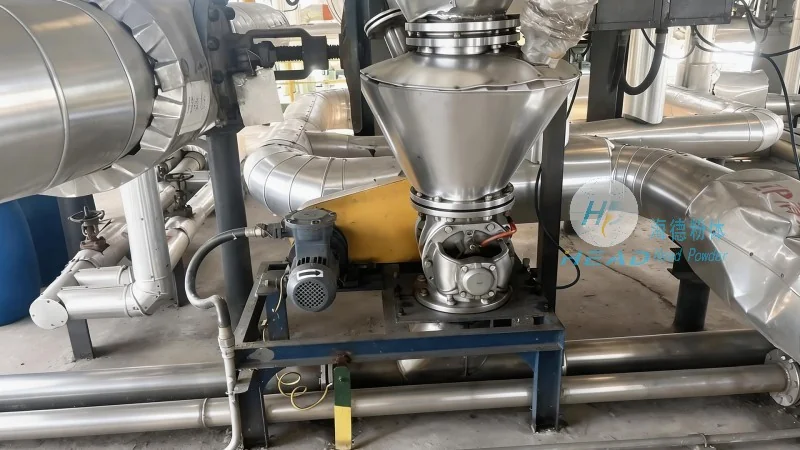
1. Material Characterization: Before designing the system, engineers conduct thorough characterization of the rice husk ash. This involves analyzing its particle size distribution, bulk density, moisture content, and flow properties. Understanding these characteristics is crucial for selecting the appropriate equipment and system configuration.
2. Air Velocity and Pressure Optimization: The system is designed to operate at an optimal air velocity and pressure. Too low a velocity may cause material settling or blockages, while too high a velocity increases energy consumption and wear on components. Engineers use computational fluid dynamics (CFD) and empirical data to determine the ideal air velocity and pressure for the specific material and system layout.
3. Pipeline Sizing and Layout: The diameter and length of the conveying pipe are carefully selected to minimize pressure drop and energy loss. The layout of the pipeline is optimized to avoid sharp turns and vertical inclines that could cause material deposition or blockages. The use of smooth, non-porous pipe surfaces reduces friction and ensures consistent material flow.
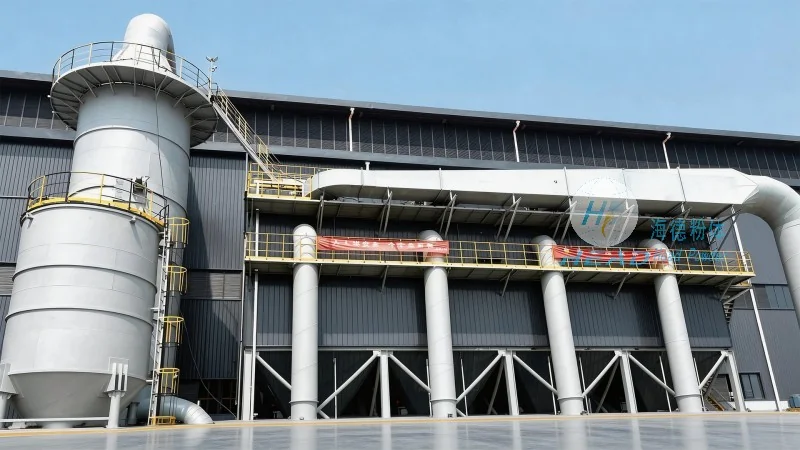
4. Energy Efficiency: The design incorporates energy-saving measures, such as variable frequency drives (VFDs) for the air compressor, which adjust the motor speed based on the system's demand. This reduces energy consumption during low-load operations and extends the lifespan of the compressor.
5. Maintenance and Durability: The system is constructed using high-quality, corrosion-resistant materials to withstand the abrasive and corrosive nature of rice husk ash. Regular maintenance schedules are implemented to ensure the longevity of the components and prevent unexpected downtime.
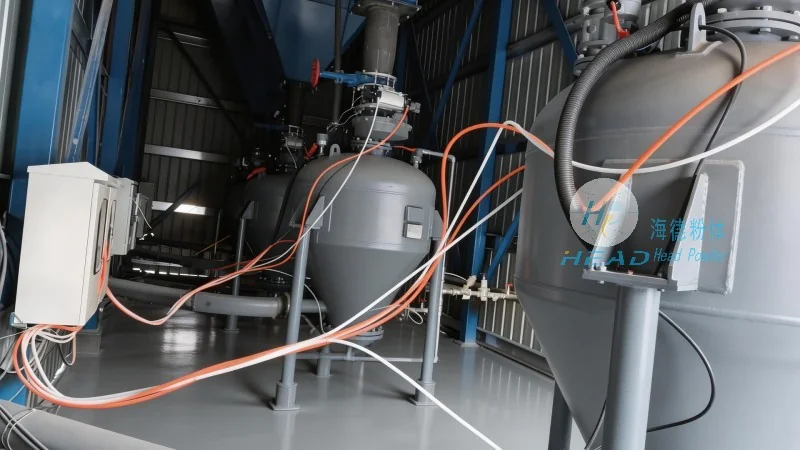
Applications and Benefits of the Pneumatic Conveying Line
The rice husk ash material pneumatic conveying line is widely used in various industrial applications, including:
- Power Generation: Rice husk ash is often used as a fuel in biomass power plants. The conveying line efficiently transports the ash from the boiler to storage silos or to be used as a raw material in other processes.
- Construction Materials: The ash is used as a raw material in the production of cement, bricks, and other building materials. The system ensures a consistent supply of ash to the production line.
- Environmental Remediation: In some cases, rice husk ash is used for soil stabilization or as a filter medium in wastewater treatment. The conveying line facilitates the transport of ash to these applications.
By leveraging the principles of pneumatic conveying, the system offers several advantages over traditional methods. These include:
- High Efficiency: The system can transport large volumes of rice husk ash over long distances with minimal energy consumption.
- Low Maintenance: The absence of moving parts in the pipeline reduces wear and tear, leading to lower maintenance costs.
- Flexibility: The system can be easily reconfigured or expanded to accommodate changes in production requirements.
- Clean and Safe Operation: The enclosed pipeline prevents dust emissions and ensures a safe working environment.
Conclusion
HeadPowder's rice husk ash material pneumatic conveying line represents a cutting-edge solution for the efficient handling of rice husk ash. By adhering to rigorous design principles and utilizing advanced engineering techniques, the system ensures reliable, energy-efficient, and cost-effective material transport. As a trusted provider of material handling solutions, HeadPowder continues to innovate and deliver tailored systems that meet the evolving needs of industrial clients.