

What is a Biological Enzyme Material Pneumatic Conveying Machine? And What Are Its Design Principles
Biological enzyme material pneumatic conveying machines are specialized industrial equipment designed to transport materials that contain biological enzymes, such as enzymes used in pharmaceuticals, food processing, or biotechnology applications. These machines utilize pneumatic conveying technology to move materials efficiently and hygienically, ensuring minimal contamination and maintaining the integrity of the enzymes. The design of these systems is critical to achieving optimal performance, especially when handling sensitive biological materials.
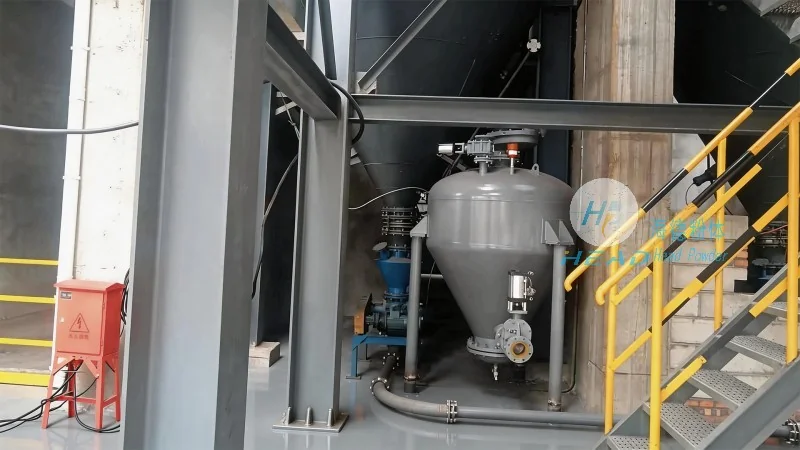
Company Profile: Shandong HeadPowder Engineering Co., Ltd.
HeadPowder, a leading manufacturer based in Shandong, China, specializes in the development and production of advanced pneumatic conveying systems. With a strong focus on innovation and quality, HeadPowder has established itself as a trusted partner in the industry, providing customized solutions for various material handling challenges. The company’s headquarters and manufacturing facilities are located in Shandong, China, where they leverage local expertise and resources to deliver high-performance equipment.
Understanding the Biological Enzyme Material Pneumatic Conveying Machine
A biological enzyme material pneumatic conveying machine is a system that uses compressed air or other gases to transport dry or semi-dry materials, particularly those containing biological enzymes. The core components of such a machine typically include a hopper for material storage, a conveyor line where the material is propelled by air flow, and a discharge system for delivering the material to its destination. The design must consider factors like material properties, enzyme stability, and the need for a sterile or controlled environment to prevent degradation or contamination.
Key Design Principles and Technical Aspects
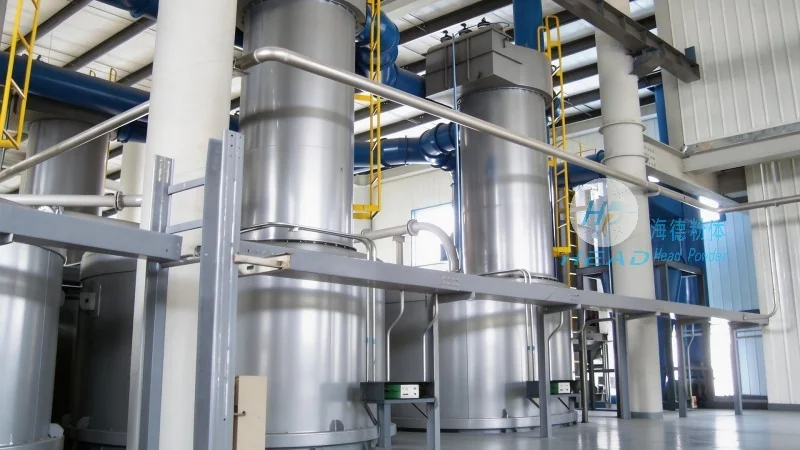
The design of a biological enzyme material pneumatic conveying machine is governed by several key principles to ensure effective and safe operation. First, the system must maintain a consistent air flow and pressure to ensure reliable material transport. This involves selecting appropriate air compressors and ductwork that can handle the specific characteristics of the biological enzyme material, such as its particle size, moisture content, and flowability. Second, the equipment must be constructed from materials that are compatible with the enzymes and do not cause cross-contamination. Stainless steel and food-grade plastics are commonly used in the construction of these machines to meet hygiene standards.
Third, the conveying process must minimize exposure to heat and moisture, as these factors can affect the activity and stability of the enzymes. The system may incorporate temperature control mechanisms and moisture-resistant components to preserve the integrity of the biological material. Additionally, the design often includes features like dust collection and filtration to maintain a clean environment and prevent the release of enzyme particles into the air. These measures are essential for both operational efficiency and compliance with regulatory standards in industries like pharmaceuticals and biotechnology.
Applications and Benefits of the Pneumatic Conveying System
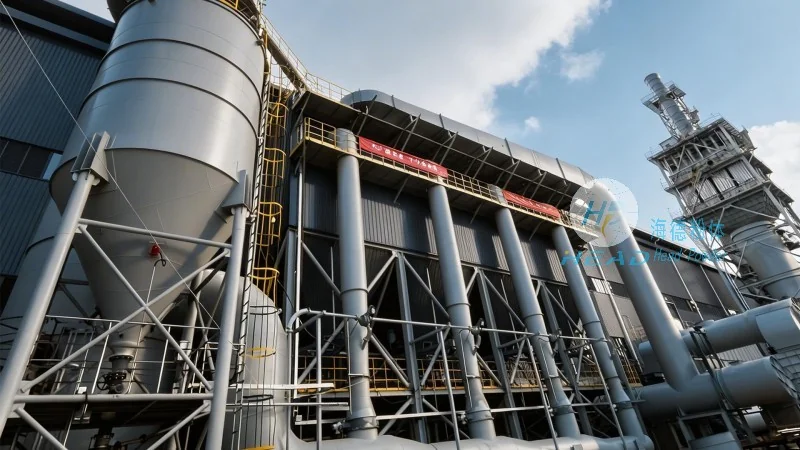
Biological enzyme material pneumatic conveying machines are widely used in various industries where the handling of sensitive biological materials is required. In the pharmaceutical industry, these systems are used to transport enzymes used in drug manufacturing, ensuring that the materials are delivered to production lines without loss of activity. In the food industry, they are employed to handle enzymes used in food processing, such as those used in cheese production or bread making. The benefits of using a pneumatic conveying system for these applications include improved hygiene, reduced labor costs, and increased operational efficiency compared to traditional methods like manual handling or mechanical conveyors.
Conclusion and Company Commitment
Biological enzyme material pneumatic conveying machines represent a sophisticated solution for the efficient and safe handling of sensitive biological materials. The design principles and technical features of these systems are tailored to meet the specific needs of industries that rely on biological enzymes, ensuring that the materials are transported with minimal risk of degradation or contamination. As a leading manufacturer, Shandong HeadPowder Engineering Co., Ltd. continues to innovate and improve its products to provide customers with reliable and high-performance equipment that meets the demands of modern industrial applications.