

What is a Carbonaceous Granular Material Pneumatic Conveying Machine? And What Are Its Design Princi
For industries dealing with carbonaceous granular materials, the selection of an efficient and reliable conveying system is crucial. A carbonaceous granular material pneumatic conveying machine, often referred to as a pneumatic conveyor, is a specialized equipment designed to transport bulk materials like carbon powders, graphite, and other similar granular substances through a pipeline using air or gas as the conveying medium. This technology offers numerous advantages over traditional mechanical conveyors, including reduced equipment wear, lower maintenance costs, and the ability to handle materials that are difficult to transport via conventional methods.
Core Components and Working Principle
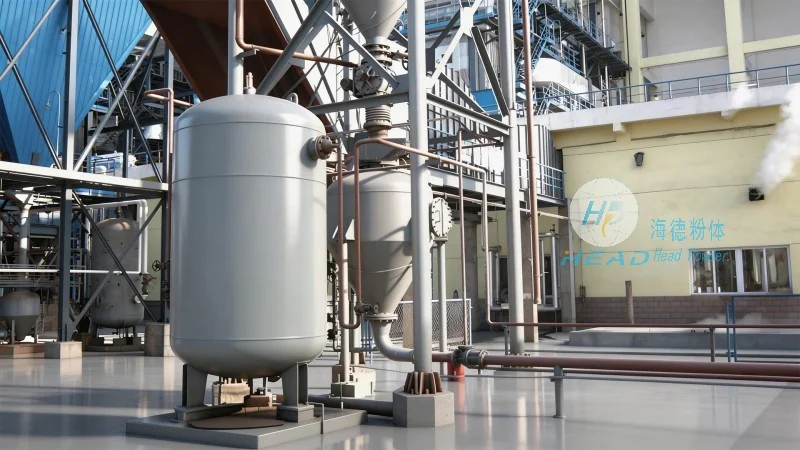
The design of a carbonaceous granular material pneumatic conveying machine is built around several key components that work in concert to ensure effective material transport. The primary components include a hopper for material storage, a feeder to control the flow rate of the material, a conveying pipeline, a blower or compressor to generate the air flow, and a receiver or discharge hopper at the end of the system. The working principle is based on the principle of fluidization and pneumatic transport. When air is introduced into the conveying pipeline at a sufficient velocity, it creates a fluidized state within the material, allowing the granules to be suspended and carried along the pipeline to the destination. The design must carefully consider factors such as material density, particle size distribution, and the required conveying distance to determine the appropriate air velocity and pressure.
Design Principles for Optimal Performance
Designing an effective carbonaceous granular material pneumatic conveying machine involves several critical principles aimed at maximizing efficiency and minimizing operational issues. One of the fundamental principles is the selection of the appropriate conveying method, which can be categorized into dilute-phase or dense-phase transport. Dilute-phase systems operate at higher air velocities and lower material concentrations, suitable for short to medium distances and low to medium material loads. Dense-phase systems, on the other hand, use lower air velocities and higher material concentrations, ideal for longer distances and higher material loads, often requiring a booster or a positive displacement blower. The choice between these methods depends on the specific application requirements and the characteristics of the carbonaceous material being transported. Another key design principle is the proper sizing of the conveying pipeline. The diameter of the pipeline must be sufficient to prevent excessive pressure drop and ensure that the material particles are fully suspended. Additionally, the design must incorporate features to prevent material buildup or blockages, such as the use of bends, elbows, and expansion joints that are carefully engineered to minimize friction and maintain consistent air flow.
Advantages of Using Pneumatic Conveying for Carbonaceous Materials
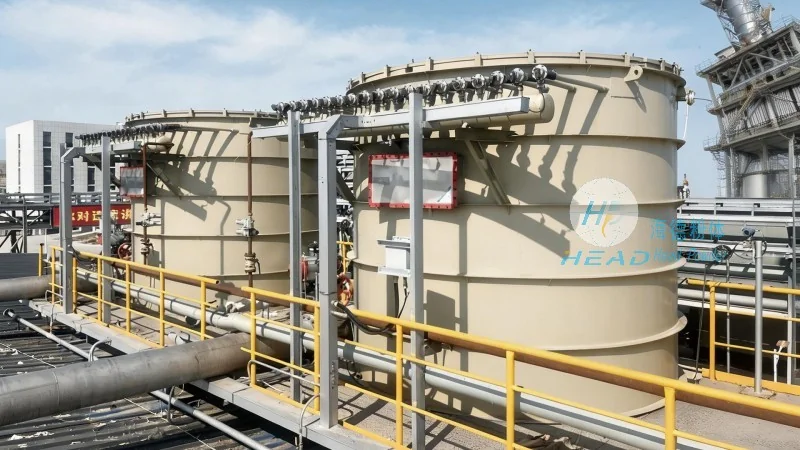
Implementing a carbonaceous granular material pneumatic conveying machine offers several distinct advantages over other conveying technologies. Firstly, it provides a completely enclosed system, which is essential for handling materials that are dusty or have environmental concerns, as it prevents dust emissions and protects the material from contamination. This is particularly important for carbonaceous materials, which may be sensitive to moisture or air exposure. Secondly, pneumatic conveying systems are highly flexible and can be easily integrated into existing production lines, allowing for changes in the layout or expansion of the facility without major modifications. The equipment is also relatively compact, occupying less floor space compared to traditional belt or screw conveyors. Furthermore, the absence of moving parts in the conveying line reduces wear and tear, leading to lower maintenance costs and longer equipment life. Finally, the system can handle a wide range of material properties, including varying particle sizes, densities, and moisture content, making it a versatile solution for diverse industrial applications.
Applications in the Carbon Industry
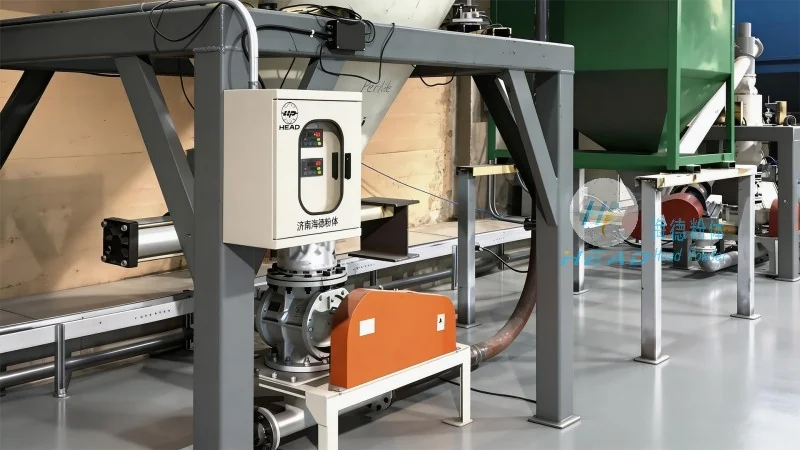
The carbonaceous granular material pneumatic conveying machine is widely used in various sectors of the carbon industry, including the production of carbon black, graphite, and other carbon-based products. In these applications, the machine is used to transport raw materials from storage silos to processing units, or to move finished products from production lines to packaging areas. For example, in the production of carbon black, the machine can efficiently convey carbon black powders from the reactor to the filtration and drying stages, ensuring a smooth and continuous production process. Similarly, in graphite processing, the machine is used to transport graphite flakes or powders from grinding and classification units to the final packaging or further processing steps. The ability to handle these materials with minimal degradation and contamination makes the pneumatic conveying system an indispensable part of modern carbon industry operations.
Conclusion and Company Overview
In conclusion, a carbonaceous granular material pneumatic conveying machine is a sophisticated and efficient solution for transporting bulk carbonaceous materials. Its design, based on principles of fluidization and pneumatic transport, offers numerous advantages over traditional conveying methods, including enclosed operation, flexibility, and reduced maintenance. The system's effectiveness depends on careful consideration of material properties, conveying distance, and the selection of appropriate components. As a leading manufacturer in this field, Shandong HeadPowder Engineering Co., Ltd. specializes in designing and manufacturing high-quality pneumatic conveying systems tailored to the specific needs of the carbon industry. With a focus on innovation and customer satisfaction, the company provides reliable equipment that enhances operational efficiency and ensures the quality of carbonaceous materials throughout the production process. Based in Shandong, China, HeadPowder Engineering Co., Ltd. leverages years of experience and advanced technology to deliver solutions that meet the demanding requirements of modern industrial applications.