When it comes to handling soybean feed in agricultural and industrial settings, the choice of conveying method plays a crucial role in efficiency, cost-effectiveness, and overall operational performance. Various technologies are available, each with its own set of advantages and applications. This article explores common soybean feed conveying methods, with a special focus on the benefits and practical applications of pneumatic conveying systems.
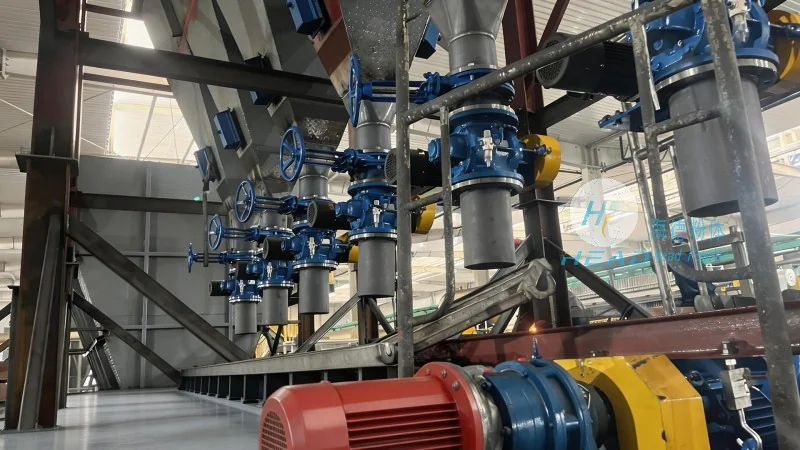
Introduction to Soybean Feed Conveying Systems
Soybean feed, a vital component in animal nutrition, requires reliable and efficient transportation from storage to processing or feeding areas. The selection of a suitable conveying method depends on factors such as feed characteristics, distance, volume, and the specific requirements of the facility. Traditional methods like gravity flow and mechanical systems have been used for decades, but modern advancements have introduced more sophisticated solutions, including pneumatic conveying, which offers enhanced flexibility and performance.
HeadPowder Engineering: A Leader in Feed Conveying Solutions
HeadPowder Engineering, based in Shandong, China, is a reputable company specializing in the design, manufacturing, and installation of feed handling equipment. With a strong commitment to quality and innovation, HeadPowder provides tailored solutions for soybean feed and other agricultural products. The company’s expertise in pneumatic conveying systems has made it a trusted partner for businesses seeking to optimize their feed handling processes.
Common Soybean Feed Conveying Methods
Several methods are commonly employed for transporting soybean feed, each suited to different operational needs. These include:
1. Gravity Flow Conveying
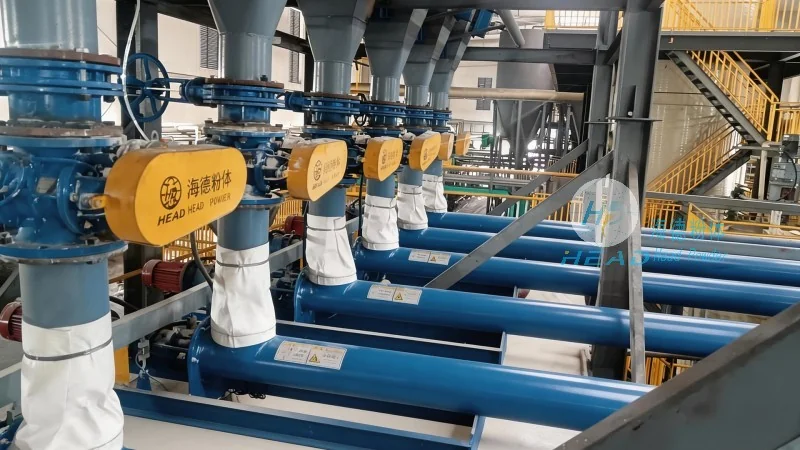
Gravity flow, or hopper-based systems, utilize the natural force of gravity to move feed from a storage bin to a processing or feeding point. This method is often used for short distances and when the feed is free-flowing. It typically involves a series of chutes or hoppers that allow the material to slide down under its own weight. While simple and low-cost, gravity flow systems have limitations, such as the need for a sloped path and the risk of blockages if the feed is not uniformly free-flowing.
2. Mechanical Conveying Systems
Mechanical systems, including belt conveyors, screw conveyors, and chain conveyors, are widely used for soybean feed transportation. These systems rely on mechanical components to move the feed along a fixed path. Belt conveyors are particularly effective for transporting bulk materials over longer distances, while screw conveyors are ideal for vertical or inclined movement. Mechanical conveyors offer high capacity and reliability, but they may require more maintenance and have higher energy consumption compared to pneumatic systems.
3. Pneumatic Conveying: The Preferred Solution for Many Applications
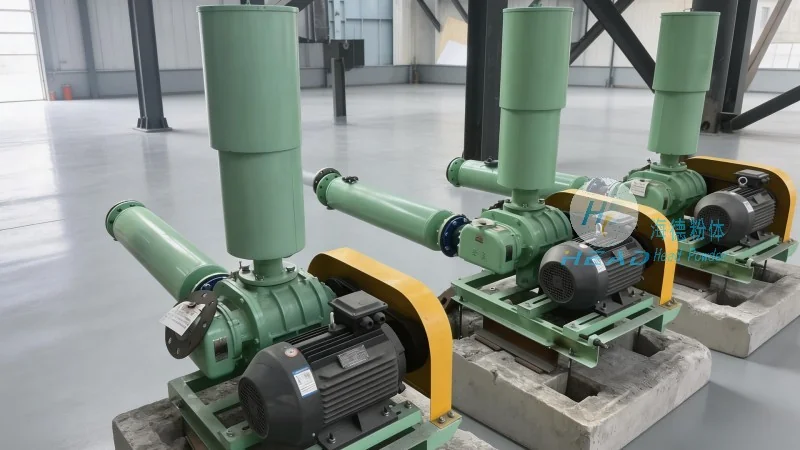
Pneumatic conveying, also known as air-based or gas-solid transport, is a method that uses compressed air to move soybean feed through a pipeline. This technology offers several advantages over traditional mechanical systems, including flexibility in layout, reduced equipment wear, and the ability to handle a wide range of feed types, including those with high moisture content or fine particles. Pneumatic systems can be designed for both low and high-pressure operation, allowing for customized solutions based on the specific needs of the facility.
Key Advantages of Pneumatic Conveying for Soybean Feed
The adoption of pneumatic conveying for soybean feed has grown due to its numerous benefits. These include:
Efficiency and Speed
Pneumatic systems can transport large volumes of soybean feed quickly and efficiently, reducing downtime and increasing overall productivity. The ability to move material over long distances without intermediate transfers makes them ideal for large-scale operations.
Reduced Maintenance and Lower Costs
Compared to mechanical conveyors, pneumatic systems have fewer moving parts, which translates to lower maintenance requirements and longer service life. Additionally, the energy consumption per unit of material transported is often lower, contributing to cost savings over time.
Flexibility and Versatility
Pneumatic conveying systems can be easily reconfigured or expanded to accommodate changes in production volume or layout. This flexibility is particularly valuable in dynamic agricultural and industrial environments where operational needs may evolve.
Hygienic and Clean Operation
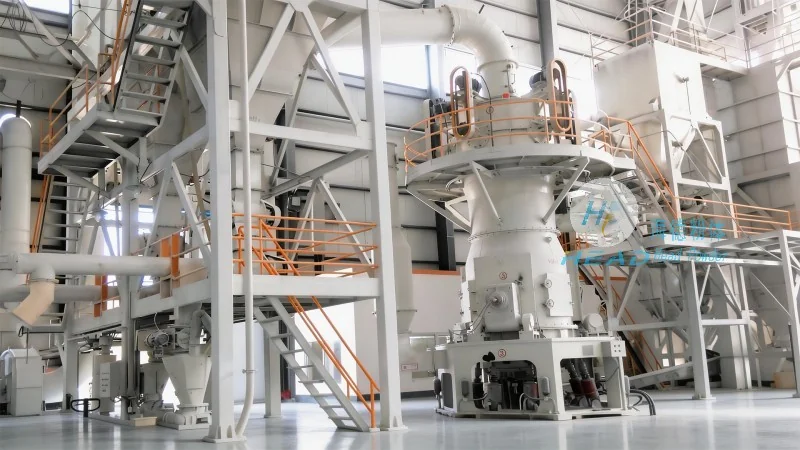
For soybean feed, which is often used in animal nutrition, maintaining hygiene is critical. Pneumatic systems can be designed to minimize dust and contamination, ensuring that the feed remains clean and safe for consumption. This is achieved through sealed pipelines and controlled air flow, which prevent exposure to external contaminants.
HeadPowder's Pneumatic Conveying Solutions
HeadPowder Engineering specializes in the design and implementation of pneumatic conveying systems tailored to soybean feed applications. The company’s solutions are engineered to meet the specific requirements of each client, ensuring optimal performance and reliability. From initial consultation to installation and maintenance, HeadPowder provides comprehensive support to help businesses enhance their feed handling processes.
Conclusion
In summary, the choice of soybean feed conveying method depends on various factors, including operational needs, feed characteristics, and budget considerations. While gravity and mechanical systems have their place, pneumatic conveying offers significant advantages in terms of efficiency, cost-effectiveness, and flexibility. For businesses seeking to optimize their soybean feed handling operations, pneumatic systems, particularly those designed and manufactured by HeadPowder Engineering, represent a reliable and advanced solution.




