When it comes to transporting glass fiber materials, selecting the right conveying method is crucial for ensuring efficiency, safety, and material integrity. Glass fiber, widely used in various industries such as composites, textiles, and construction, presents unique challenges due to its fine particle size and abrasive nature. Traditional methods may struggle with dust generation, clogging, or material degradation, making specialized solutions essential. This article explores common glass fiber conveying methods, with a focus on the advantages and applications of glass fiber pneumatic conveying systems, as offered by Shandong HeadPowder Engineering Co., Ltd., a leading provider in the field.
Understanding Glass Fiber Conveying: Key Considerations
Before delving into specific conveying methods, it's important to understand the factors that influence the choice of system for glass fiber. Key considerations include material properties—such as particle size, moisture content, and abrasiveness—operational requirements like throughput capacity and distance, and environmental factors like dust control and safety. Glass fiber is typically fine and lightweight, which can lead to issues like static electricity buildup and air resistance during transport. These factors necessitate systems designed to handle these characteristics effectively. HeadPowder, with its expertise in powder and bulk material handling, addresses these challenges through tailored solutions that optimize performance and reliability.
Glass Fiber Pneumatic Conveying: A Detailed Overview
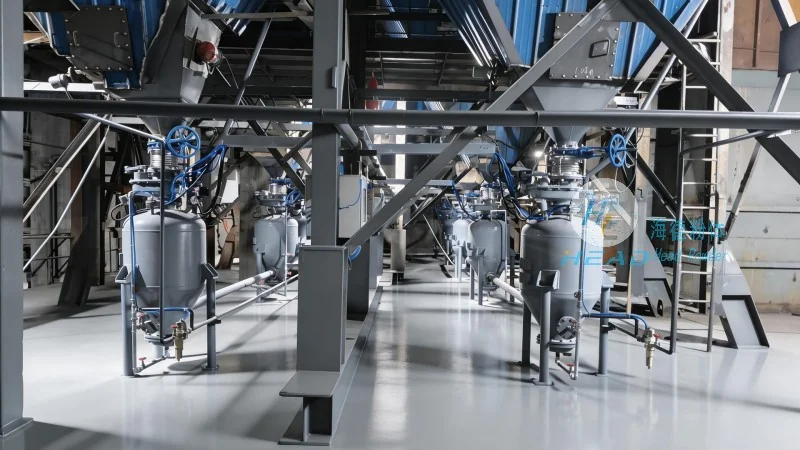
Glass fiber pneumatic conveying is a widely adopted method for transporting glass fiber due to its ability to handle fine powders over moderate distances with minimal material degradation. This technique uses compressed air to move material through a pipeline, leveraging the principle of air flow to transport particles. There are two primary types of pneumatic conveying systems for glass fiber: pressure and vacuum systems. Pressure systems use positive pressure to push material from a source to a destination, while vacuum systems use negative pressure to draw material. Both systems are suitable for glass fiber, but the choice depends on factors like the distance between the source and destination, the required throughput, and the need for dust containment.
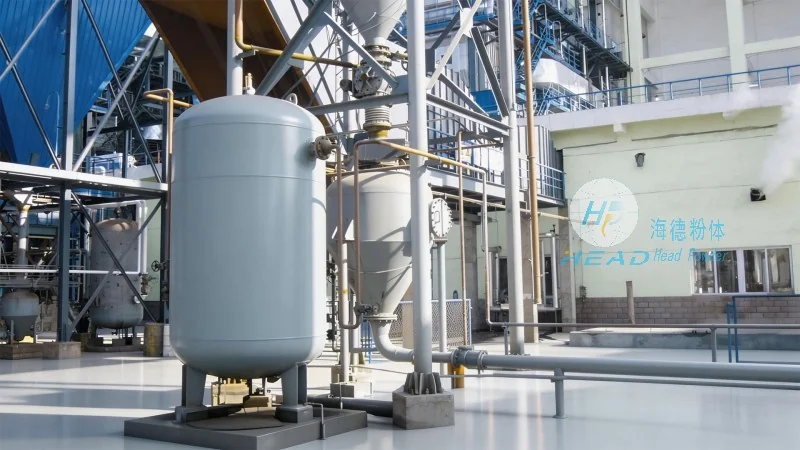
One of the primary advantages of glass fiber pneumatic conveying is its ability to maintain material integrity. Unlike mechanical systems that may cause abrasion or breakage, pneumatic systems use air to transport particles, reducing the risk of damage. This is particularly important for glass fiber, which is often used in applications where particle size and shape are critical, such as in composite manufacturing. Additionally, pneumatic conveying systems can handle high volumes of material efficiently, making them ideal for industrial-scale operations. HeadPowder's pneumatic conveying solutions are engineered to handle these demands, with features like adjustable air flow rates, specialized nozzles, and filtration systems to ensure clean and efficient transport.
Other Conveying Methods for Glass Fiber
While pneumatic conveying is a popular choice, other methods are also used for glass fiber transport. Mechanical conveying systems, such as screw conveyors and belt conveyors, are sometimes employed for shorter distances or when material is less abrasive. However, these systems may face challenges with clogging and material buildup, especially with fine glass fiber particles. Vibrating conveyors are another option, which use vibration to move material along a trough. These systems are effective for handling bulk materials but may not be as efficient for fine glass fiber due to the risk of dust generation and material degradation. For applications requiring precise control over material flow, mechanical systems may not offer the same level of performance as pneumatic solutions.
HeadPowder's Expertise in Glass Fiber Conveying
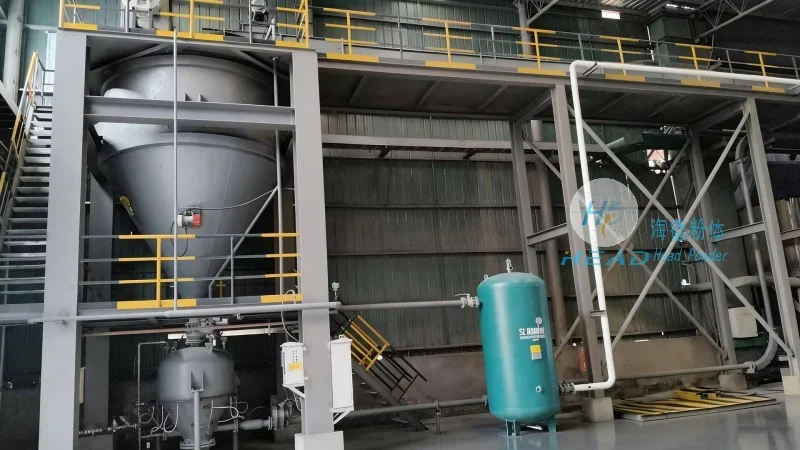
Shandong HeadPowder Engineering Co., Ltd. specializes in providing customized glass fiber conveying solutions that meet the specific needs of industrial clients. With a focus on pneumatic conveying systems, HeadPowder designs and manufactures equipment tailored to handle the unique challenges of glass fiber. The company's expertise lies in understanding the material properties and operational requirements of each client, ensuring that the chosen system maximizes efficiency and minimizes downtime. HeadPowder's team of engineers works closely with clients to assess their conveying needs, from initial consultation to system installation and maintenance. This collaborative approach ensures that the final solution is not only effective but also cost-efficient and sustainable.
Conclusion: Choosing the Right Glass Fiber Conveying Method
In conclusion, selecting the appropriate glass fiber conveying method is essential for optimizing industrial processes and maintaining material quality. Glass fiber pneumatic conveying, with its ability to handle fine particles efficiently and maintain material integrity, is a preferred choice for many applications. However, other methods may be suitable for specific scenarios, depending on factors like distance, throughput, and operational constraints. For businesses seeking reliable and effective glass fiber conveying solutions, Shandong HeadPowder Engineering Co., Ltd. offers a range of options designed to meet diverse needs. By leveraging their expertise and tailored approach, HeadPowder helps clients achieve efficient material transport while ensuring safety and compliance with industry standards.




