Fluorspar powder, a critical raw material in various industrial applications, requires efficient and reliable conveying methods to ensure smooth production processes. The choice of conveying system significantly impacts operational efficiency, material integrity, and overall cost-effectiveness. This article explores common methods for conveying fluorspar powder particles, with a focus on pneumatic conveying systems, and provides insights into the technology and considerations for selecting the appropriate solution.
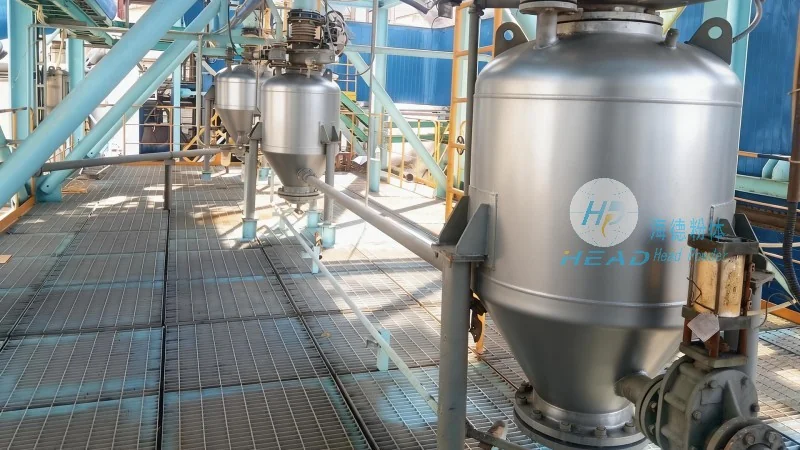
Introduction to Fluorspar Powder Conveying
Fluorspar, or fluorite, is a mineral composed primarily of calcium fluoride (CaF₂) and is widely used in the production of hydrofluoric acid, aluminum fluoride, and as a flux in steel and glass manufacturing. Due to its fine particle size and dusty nature, conventional bulk material handling methods may not be suitable. Therefore, specialized conveying systems are essential to maintain product quality and operational safety. The primary goal of any fluorspar powder conveying system is to transport the material from a source to a destination without degradation, contamination, or excessive energy consumption.
Common Conveying Methods for Fluorspar Powder
Several methods are employed for the transportation of fluorspar powder particles, each with distinct advantages and limitations. The selection of a method depends on factors such as material properties, distance, volume, and environmental regulations. The most common approaches include:
Pneumatic Conveying: A Preferred Solution for Fluorspar Powder
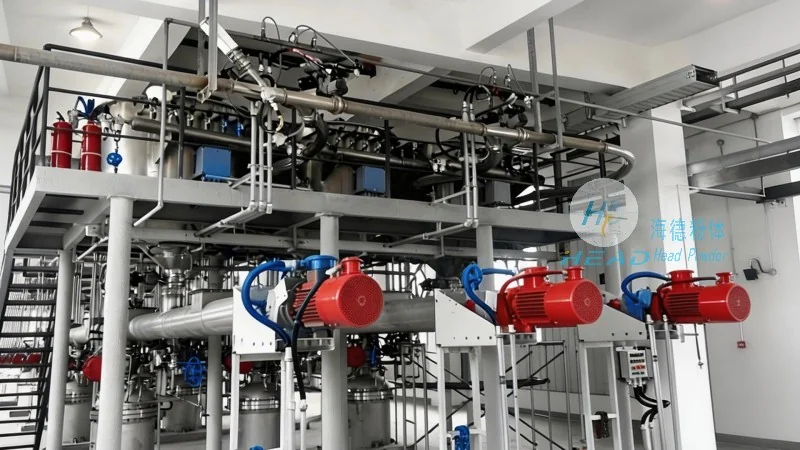
Pneumatic conveying, also known as air conveying, is widely regarded as the most effective method for handling fluorspar powder. This technology uses compressed air to transport dry powders through a pipeline system. There are two main types of pneumatic conveying systems: pressure and vacuum. Pressure systems operate by blowing air into the pipeline, pushing the material forward, while vacuum systems use suction to draw the material into the line.
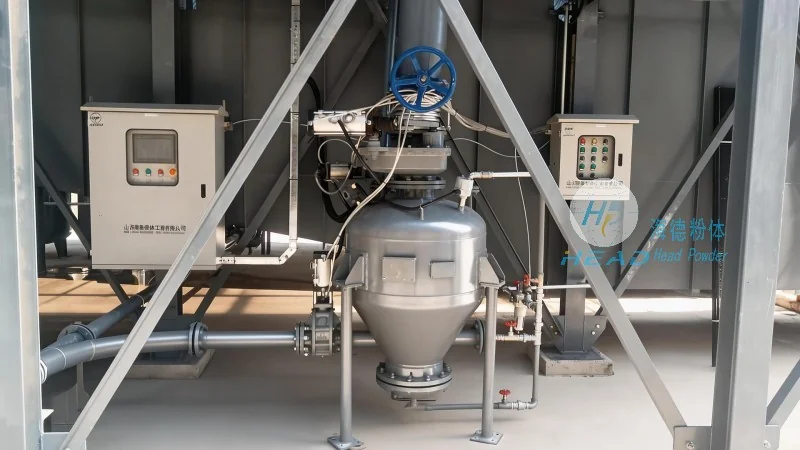
For fluorspar powder, pressure pneumatic conveying is often preferred due to its ability to handle high volumes and long distances efficiently. The system typically consists of a hopper, a rotary airlock feeder, a compressor, and a pipeline network. The rotary airlock feeder ensures a consistent flow of material into the system, preventing blockages and maintaining pressure stability. The compressor generates the necessary air pressure to move the powder through the pipeline, and the pipeline network transports the material to the destination, such as a storage silo or processing unit.
Key Considerations for Pneumatic Conveying of Fluorspar Powder
When implementing a pneumatic conveying system for fluorspar powder, several factors must be considered to ensure optimal performance and longevity. First, the particle size and density of the fluorspar powder are critical. Fine particles require higher air velocities to prevent settling or blockages, while larger particles may need additional equipment, such as a cyclone separator, to maintain system efficiency. Second, the system must be designed to handle the dustiness of fluorspar powder, as excessive dust can lead to equipment wear and environmental issues. Proper filtration and dust collection systems are essential to maintain air quality and comply with regulations.
Third, the distance and layout of the conveying system impact the choice of equipment. Longer distances may require booster compressors to maintain sufficient pressure, while complex layouts may necessitate multiple pipelines and valves. Additionally, the system must be equipped with safety features, such as pressure relief valves and emergency shut-off mechanisms, to prevent accidents and protect personnel. Regular maintenance is also crucial to ensure the system operates efficiently and to extend its lifespan.
Advantages of Pneumatic Conveying for Fluorspar Powder
Pneumatic conveying offers several advantages over other methods for fluorspar powder. One of the primary benefits is the ability to transport material in a closed system, which minimizes dust exposure and environmental contamination. This is particularly important for fluorspar powder, which can be hazardous if inhaled or if it comes into contact with moisture. The closed system also prevents material loss and contamination from external sources, ensuring product purity.
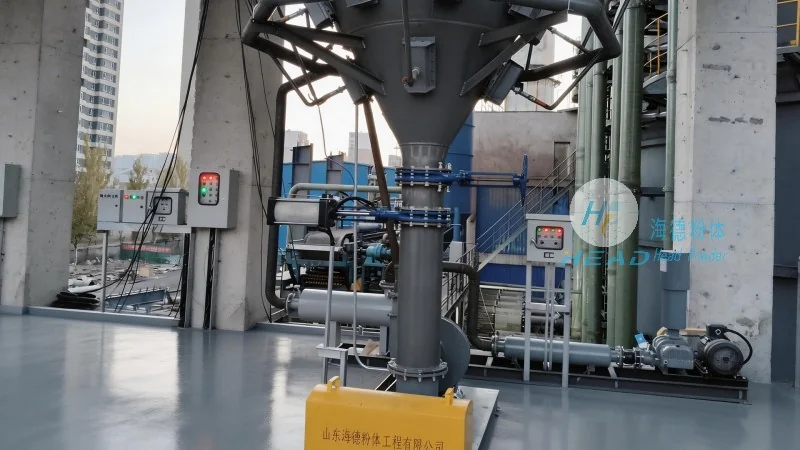
Another advantage is the flexibility of pneumatic conveying systems. They can be easily modified or expanded to accommodate changes in production volume or layout. The system can handle a wide range of particle sizes and densities, making it suitable for various applications. Additionally, pneumatic conveying is energy-efficient compared to other methods, such as belt conveyors, which require more power and maintenance.
Conclusion
In conclusion, the selection of an appropriate conveying method for fluorspar powder is crucial for the success of industrial operations. Pneumatic conveying, particularly pressure systems, is a highly effective and widely used solution due to its ability to handle fine powders, maintain product quality, and operate efficiently. When properly designed and maintained, pneumatic conveying systems can significantly improve operational efficiency and reduce costs for companies handling fluorspar powder. As a leading provider in the field, Shandong HeadPowder Engineering Co., Ltd. specializes in the design and implementation of such systems, ensuring that clients receive tailored solutions that meet their specific needs and comply with industry standards.




