

[WOKING PRINCIPLE AND FEATURES OF CEMENT PNEUMATIC CONVEYING EQUIPMENT]
HeadPowder, a leading manufacturer based in Shandong, China, specializes in the design, production, and supply of advanced cement pneumatic conveying equipment. This article provides an in-depth exploration of the working principle and key features of such equipment, offering valuable insights for industries relying on efficient material handling solutions.
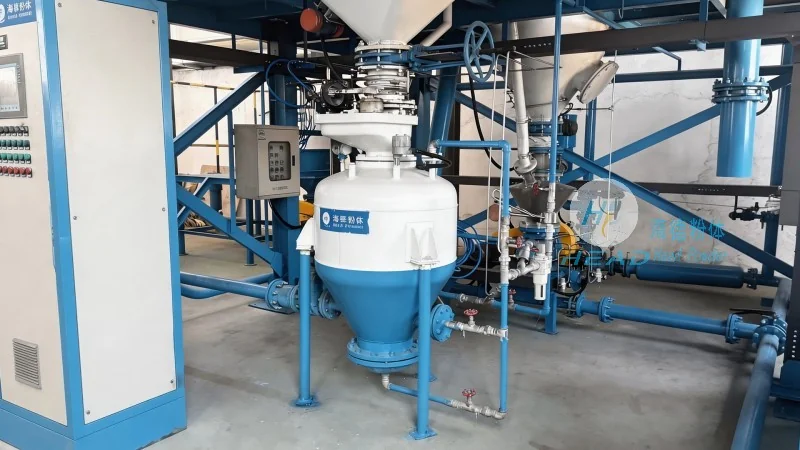
Introduction to Cement Pneumatic Conveying Equipment
Cement pneumatic conveying equipment is a critical component in modern cement production and processing facilities. It enables the safe, efficient, and reliable transportation of bulk cement from storage silos to various processing units or end-use applications. The technology relies on the principles of pneumatic transport, utilizing air pressure to move the material through a network of pipes and components. This method offers significant advantages over traditional mechanical conveying systems, such as reduced maintenance costs, improved safety, and enhanced flexibility in material handling.
The Working Principle of Cement Pneumatic Conveying Equipment
The core working principle of cement pneumatic conveying equipment involves the use of a blower or air compressor to generate a high-pressure air stream. This air stream is then directed into a pipeline system, where it carries the cement particles forward. The process typically begins with the cement being fed into a hopper or silo, where it is then drawn into the conveying line by the moving air. As the air flows through the pipes, it transports the cement particles, maintaining a consistent flow rate and preventing blockages. The equipment is designed to handle the abrasive and dusty nature of cement, ensuring durability and long-term performance.
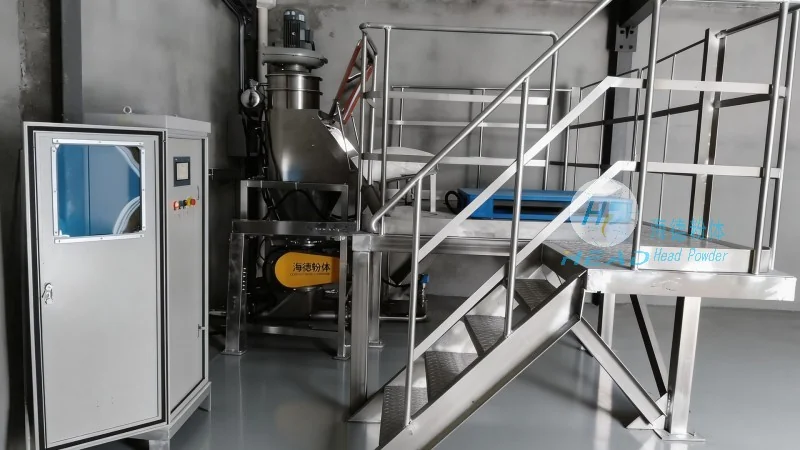
Key Features of Cement Pneumatic Conveying Equipment
Several key features distinguish high-quality cement pneumatic conveying equipment. First, the system is equipped with advanced control mechanisms that allow for precise regulation of air pressure and flow rate, ensuring optimal material transport. This precision helps maintain consistent product quality and reduces the risk of material degradation or loss. Second, the equipment incorporates robust materials and corrosion-resistant coatings to withstand the harsh conditions associated with cement handling, including high temperatures and abrasive particles. Third, the design includes features for easy maintenance and cleaning, such as quick-release valves and accessible components, which minimize downtime and operational costs. Additionally, modern systems often include monitoring and diagnostic tools that provide real-time data on system performance, enabling proactive maintenance and troubleshooting.
Advantages of Using Cement Pneumatic Conveying Equipment
Implementing cement pneumatic conveying equipment offers numerous benefits for industrial operations. One of the primary advantages is the significant reduction in labor costs, as the system automates the material handling process, reducing the need for manual labor in transporting bulk cement. Additionally, the equipment enhances safety by eliminating the need for manual handling of heavy or dusty materials, minimizing the risk of accidents and health hazards. The system also improves operational efficiency by enabling faster and more reliable material transport compared to traditional methods. Furthermore, the flexibility of pneumatic conveying allows for easy integration with existing production lines and the ability to transport materials over longer distances without the need for multiple transfer points.
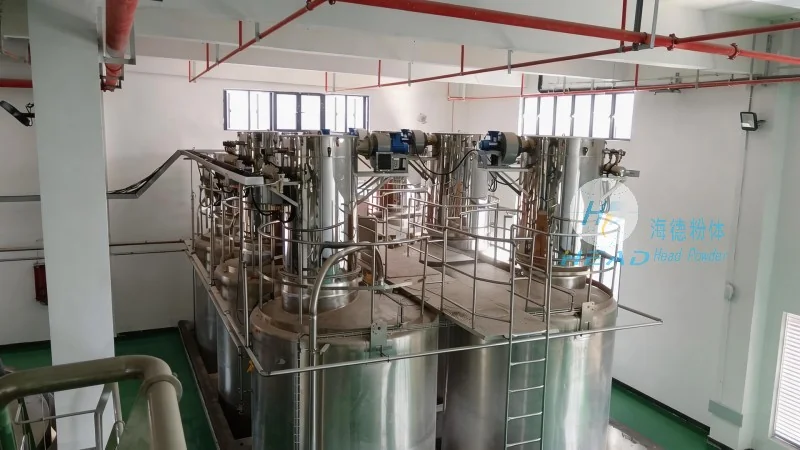
Application Scenarios and Industry Impact
Cement pneumatic conveying equipment is widely used in various sectors, including cement manufacturing plants, concrete production facilities, and construction sites. In cement plants, it is essential for transferring raw materials and finished cement products between different processing stages. In concrete production, the equipment ensures a consistent supply of cement to mixing units, improving the quality and consistency of concrete products. The technology also plays a crucial role in construction sites, where it facilitates the delivery of cement to remote or hard-to-reach areas, enhancing project efficiency and productivity. By improving material handling efficiency and safety, cement pneumatic conveying equipment contributes to overall operational excellence and cost savings in the cement and construction industries.
Conclusion and Company Overview
HeadPowder Engineering Co., Ltd., based in Shandong, China, is a trusted provider of advanced cement pneumatic conveying equipment. With a focus on innovation and quality, the company delivers reliable solutions that meet the evolving needs of the cement industry. The working principle and features of cement pneumatic conveying equipment, as outlined in this article, highlight the technology's effectiveness in enhancing material handling efficiency, safety, and operational performance. By investing in such equipment, industries can achieve significant improvements in productivity, cost reduction, and overall operational excellence, ensuring long-term success in the competitive cement market.