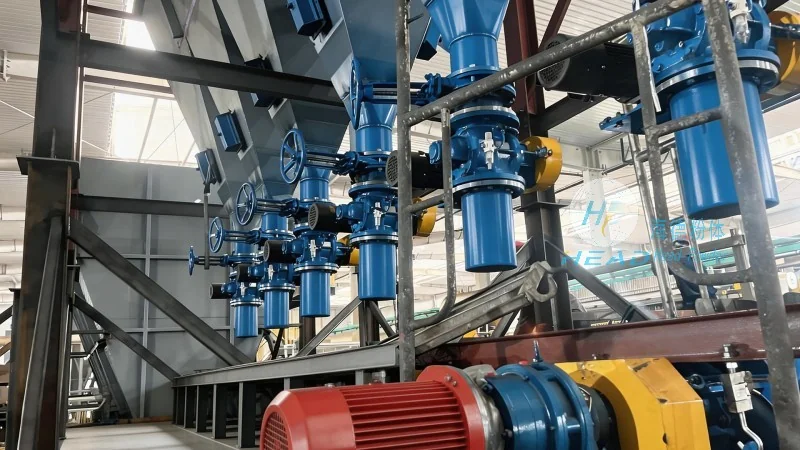
Flexible coke powder, a critical material in various industrial processes, requires efficient and reliable conveying systems to ensure smooth operation and minimize material loss. The choice of conveying method significantly impacts production efficiency, safety, and overall cost-effectiveness. This article explores common flexible coke powder conveying methods, with a focus on the pneumatic conveying system, which has become a preferred solution for many industries due to its flexibility and effectiveness.
Introduction to Flexible Coke Powder Conveying
Flexible coke powder, also known as coke breeze or coke powder, is a fine particulate material produced from the carbonization of coal. It is widely used in steelmaking, foundry, and other industrial applications as a fuel or reducing agent. Conveying this material efficiently from storage to processing units is essential to maintain production continuity and reduce downtime. Traditional methods like belt conveyors or screw conveyors may not be suitable for fine powders due to issues such as material buildup, dust generation, and blockages. Therefore, specialized conveying systems are often employed to handle flexible coke powder effectively.
About Shandong HeadPowder Engineering Co., Ltd.
Shandong HeadPowder Engineering Co., Ltd., commonly known as HeadPowder, is a leading manufacturer and supplier of advanced material handling solutions. With a strong presence in China, particularly in Shandong, the company specializes in designing and manufacturing flexible coke powder conveying systems tailored to meet the diverse needs of industrial clients. HeadPowder's commitment to quality, innovation, and customer satisfaction has established it as a trusted partner in the material handling industry. The company's headquarters and main operations are located in Shandong, China, where it leverages local resources and expertise to deliver high-performance conveying solutions.
Pneumatic Conveying Systems for Flexible Coke Powder
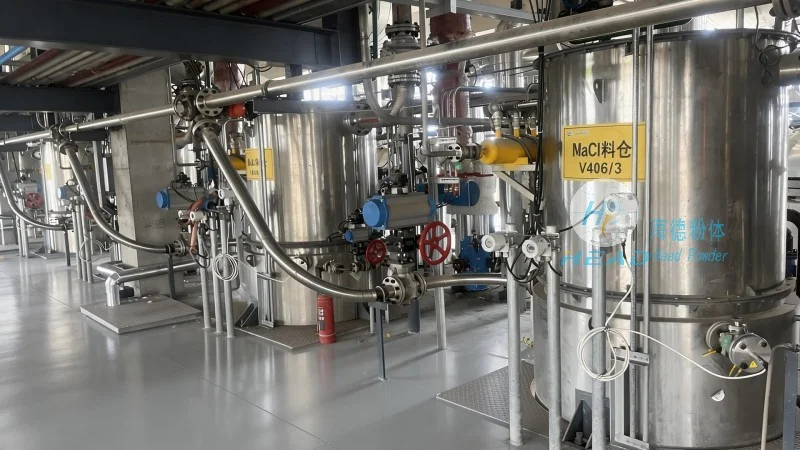
Pneumatic conveying, or air-assisted conveying, is a widely adopted method for transporting flexible coke powder due to its ability to handle fine powders without the need for mechanical components that can cause blockages. This system utilizes compressed air to move the material through a pipeline, ensuring a continuous and controlled flow. There are two main types of pneumatic conveying systems: pressure and vacuum. Pressure systems use compressed air to push the material forward, while vacuum systems use suction to draw the material into the pipeline. Both types are effective for flexible coke powder, with the choice depending on the specific application, distance, and material characteristics.
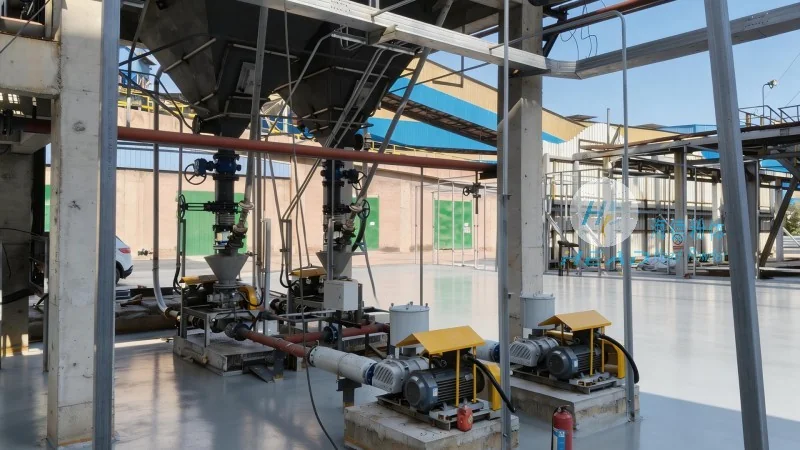
The core components of a pneumatic conveying system for flexible coke powder include a hopper for material storage, a feeder to control the flow rate, a pipeline network, and a dust collector to manage airborne particles. The hopper is designed to prevent material bridging and ensure a consistent feed to the feeder. The feeder, often a rotary valve or a screw feeder, regulates the amount of material entering the pipeline. The pipeline is typically made of stainless steel or other corrosion-resistant materials to withstand the abrasive nature of coke powder. The dust collector, equipped with filters, captures fine particles and returns them to the system, reducing environmental impact and improving material recovery.
Advantages of Pneumatic Conveying for Flexible Coke Powder
Compared to traditional mechanical conveying methods, pneumatic conveying offers several advantages when handling flexible coke powder. First, it eliminates the need for moving parts in the pipeline, reducing the risk of blockages and maintenance requirements. This results in lower downtime and lower operational costs. Second, pneumatic systems can handle fine powders with high efficiency, ensuring minimal material loss and consistent flow rates. Third, the enclosed pipeline design prevents dust from escaping into the environment, enhancing workplace safety and compliance with environmental regulations. Fourth, the system can be easily integrated with other processing equipment, allowing for seamless material transfer from storage to processing units.
Applications of Flexible Coke Powder Conveying Systems
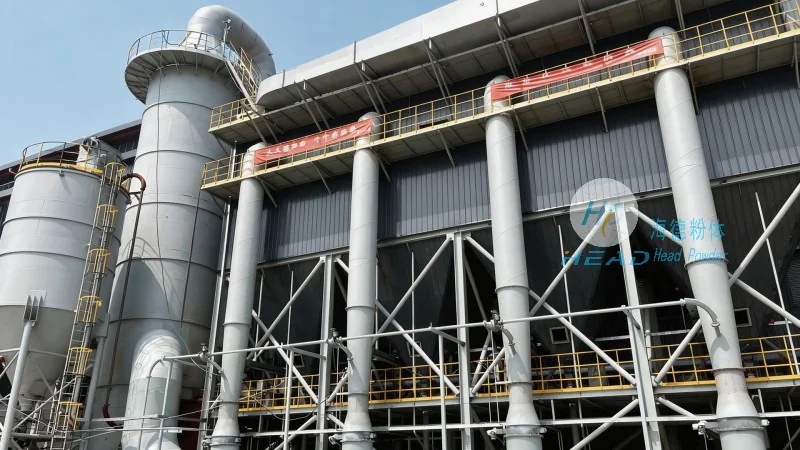
The applications of flexible coke powder conveying systems are diverse and span multiple industries. In the steel industry, coke powder is used as a fuel in blast furnaces and as a reducing agent in direct reduction processes. The conveying system ensures a steady supply of coke powder to the furnaces, optimizing production efficiency. In the foundry industry, coke powder is used as a fuel in cupolas and as a refractory material in mold production. The system helps maintain a consistent fuel supply, improving the quality of castings. Additionally, in the chemical and petrochemical industries, coke powder is used as a raw material in the production of carbon black and other chemicals. The flexible conveying system ensures that the material is delivered to the processing units without any interruptions.
Conclusion
Flexible coke powder conveying is a critical aspect of industrial operations, and the choice of conveying method significantly impacts overall performance. Pneumatic conveying systems, particularly those designed by companies like Shandong HeadPowder Engineering Co., Ltd., offer an effective and efficient solution for handling flexible coke powder. By leveraging advanced technology and tailored designs, these systems ensure smooth material transfer, minimize material loss, and enhance workplace safety. As industries continue to demand higher efficiency and reliability, pneumatic conveying systems will remain a key component in flexible coke powder handling, supporting the growth and development of various industrial sectors.




