Common Light Calcium Carbonate Conveying Methods: An Introduction to Pneumatic Conveying of Light Calcium Carbonate
Release time:2026-09-10 19:41:51
name of the company:Shandong Headpowder Engineering Co., Ltd.
telephone:156-6277-7102
contacts:Zhang manager
Light calcium carbonate, a widely used industrial material, requires efficient and reliable transportation methods to ensure smooth production processes. Among the various conveying techniques available, pneumatic conveying stands out as a prominent solution for handling light calcium carbonate. This article provides an overview of common light calcium carbonate conveying methods, with a specific focus on pneumatic conveying systems.
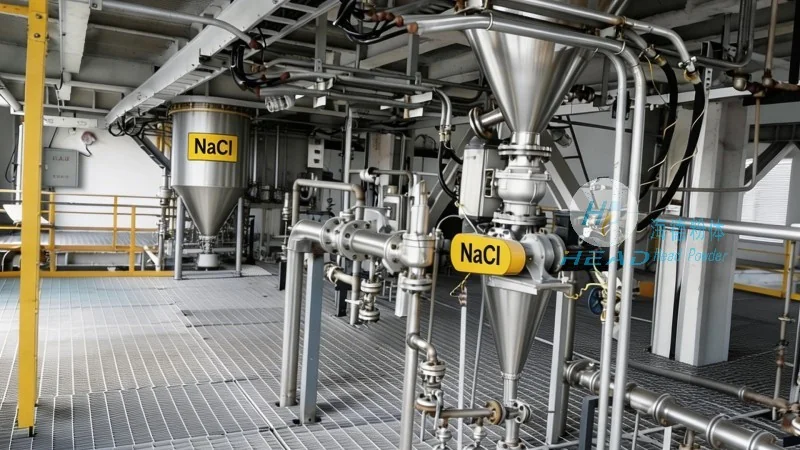
Understanding Light Calcium Carbonate and Its Conveying Needs
Light calcium carbonate, also known as precipitated calcium carbonate (PCC), is a fine powder with a wide range of applications in industries such as paper, plastics, coatings, and food. Due to its fine particle size and low bulk density, traditional gravity or mechanical conveying methods often face challenges like dust generation, blockages, and material degradation. Therefore, specialized conveying systems are essential to maintain product quality and operational efficiency.
Common Conveying Methods for Light Calcium Carbonate
Several methods are employed for transporting light calcium carbonate, each with its own advantages and limitations. The primary options include:
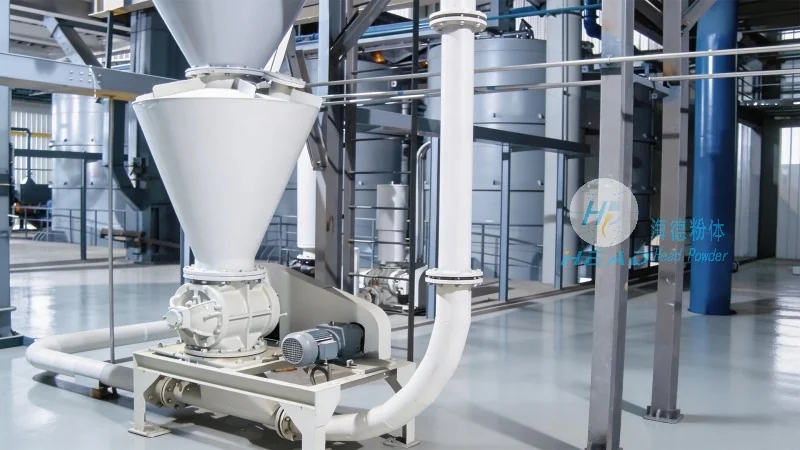
- Gravity Conveying: Utilizes the natural force of gravity to move material from higher to lower elevations. This method is simple and cost-effective but is limited by the need for sufficient vertical drop and is not suitable for horizontal or inclined transport over long distances.
- Mechanical Conveying: Involves the use of equipment like screw conveyors, belt conveyors, and bucket elevators. These systems are effective for bulk material handling but may cause particle attrition and increased dust, which can affect product quality.
- Pneumatic Conveying: Employs air or other gases to transport material through a pipeline. This method offers advantages such as dust control, flexibility in layout, and the ability to handle fine powders without degradation.
Pneumatic Conveying: A Preferred Solution for Light Calcium Carbonate
Pneumatic conveying is widely regarded as the most suitable method for light calcium carbonate due to its ability to handle fine powders efficiently while minimizing product damage. The system operates by creating a flow of air or gas within a pipeline, which draws or pushes the material along. There are two main types of pneumatic conveying systems:
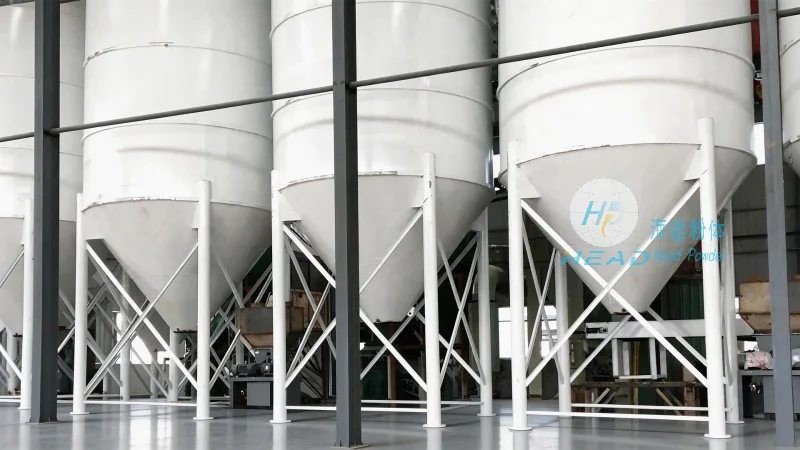
- Positive Displacement Pneumatic Conveying: Uses a pump to generate pressure and move material. This method is ideal for long-distance and high-capacity transport but requires more energy and maintenance.
- Pressure-Driven Pneumatic Conveying: Relies on compressed air to transport material. It is suitable for shorter distances and lower capacities, offering lower energy consumption and simpler system design.
Key Components of a Pneumatic Conveying System for Light Calcium Carbonate
A typical pneumatic conveying system for light calcium carbonate consists of several critical components that work together to ensure efficient operation:
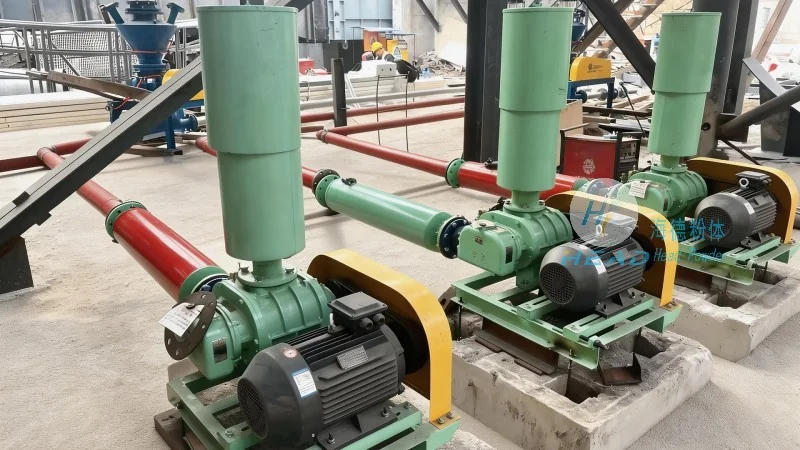
- Feed Hopper: A container that stores the light calcium carbonate and feeds it into the conveying line. The hopper is designed to minimize material bridging and ensure consistent flow.
- Air Lock or Feeder: Prevents backflow of air into the hopper and regulates the material flow rate. This component is crucial for maintaining system pressure and preventing material buildup.
- Conveying Pipeline: The main channel through which the material and air travel. The pipeline is typically made of stainless steel or other corrosion-resistant materials to handle the fine powder and prevent clogging.
- Receiver or Discharge Hopper: Collects the material at the end of the conveying line. It is designed to separate the material from the air and allow for easy discharge into the next processing stage.
- Filter and Dust Collector: Removes fine particles from the exhaust air to prevent dust contamination and ensure compliance with environmental regulations.
Advantages of Pneumatic Conveying for Light Calcium Carbonate
Implementing a pneumatic conveying system for light calcium carbonate offers several benefits that enhance operational performance and product quality:
- Efficient Material Handling: Pneumatic systems can transport light calcium carbonate over long distances with minimal loss and no degradation of particle size.
- Dust Control: The enclosed pipeline design reduces dust emissions, improving workplace safety and environmental compliance.
- Flexibility in Layout: The system can be easily reconfigured to accommodate changes in production processes or facility layout.
- Reduced Maintenance: Compared to mechanical systems, pneumatic conveying has fewer moving parts, leading to lower maintenance costs and longer equipment life.
Application Examples in the Industry
Light calcium carbonate is used in various applications where its fine particle size and whiteness are essential. Pneumatic conveying systems are commonly employed in these processes:




