

Working Principle and Features of Mobile Pneumatic Conveying Equipment
Mobile pneumatic conveying equipment serves as a critical solution in modern material handling, offering efficient and adaptable methods for transporting bulk materials. This article explores the fundamental working principle and key characteristics of such systems, providing a detailed overview for users and industry stakeholders.
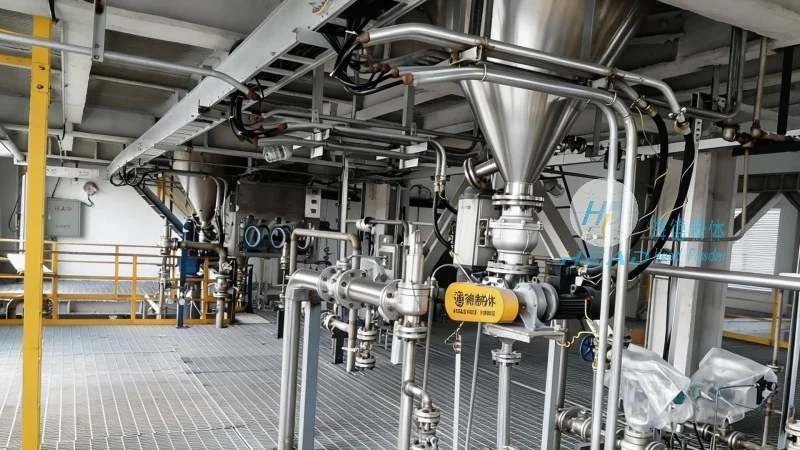
Working Principle of Mobile Pneumatic Conveying Systems
The core mechanism of mobile pneumatic conveying equipment centers on compressed air to move material through a pipeline network. The process typically initiates with material being fed into a hopper or feeder, where it is drawn into the conveying line by pressure differentials created by air flow. Compressed air, usually supplied by an air compressor, generates a force that propels material particles through the pipeline. This is known as the "pressure type" or "positive pressure" system, where air pressure exceeds ambient levels, ensuring continuous movement toward the discharge point. Conversely, some systems use a "vacuum type" or "negative pressure" approach, employing a vacuum pump to draw air through the pipeline and pull material in. Both methods are prevalent, with selection based on material properties, distance, and design needs. The mobile nature allows easy repositioning, enhancing flexibility for diverse operational requirements.
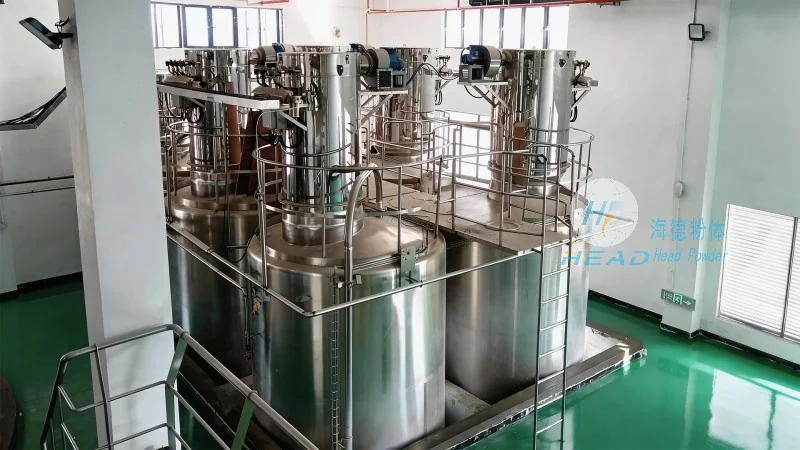
Key Features of Mobile Pneumatic Conveying Equipment
A primary feature is portability. Unlike fixed installations, these systems can be reconfigured for different locations, ideal for industries with changing material handling needs like construction or mining. Another significant feature is versatility in handling materials—from fine powders to granular solids. The design accommodates various particle sizes and densities, making them suitable for applications involving chemicals, food products, or pharmaceuticals that require controlled, hygienic handling.
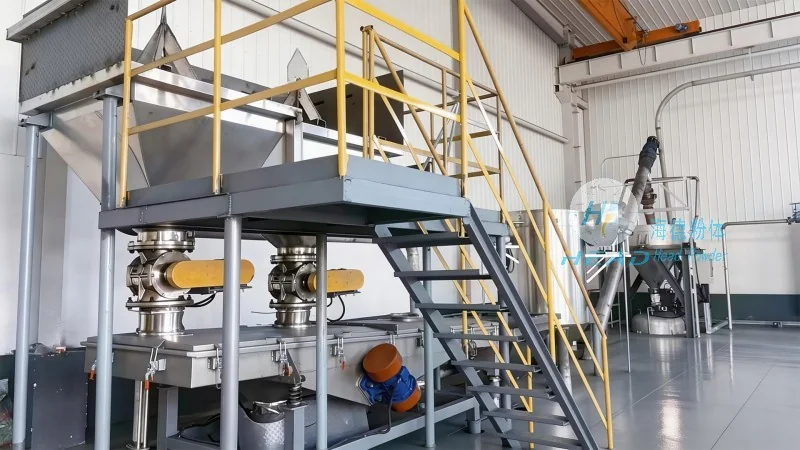
Efficiency and energy savings are also prominent. Compressed air transport achieves high throughput with lower energy use compared to traditional methods such as belt conveyors. Compact designs further optimize space, enabling installation in limited areas. Enhanced safety and operational control are additional benefits. Enclosed pipelines and controlled air flow minimize dust exposure, while advanced control systems monitor and regulate the process, reducing blockages and failures.
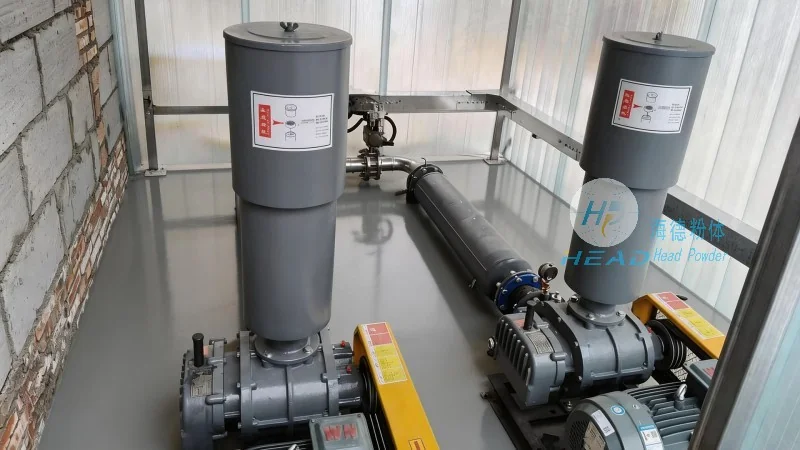
Applications and Industry Relevance
Mobile pneumatic conveying equipment is widely used across sectors due to its adaptability. In construction, it transports sand, cement, and other building materials. In mining, it moves ore and minerals to processing facilities. The food and pharmaceutical industries benefit from its hygienic, controlled nature, ensuring product safety. As industrial processes evolve, the demand for flexible, efficient solutions grows. Mobile pneumatic conveyors, with their mobility, versatility, and efficiency, remain essential for optimizing material handling. Their ability to adapt to changing needs and handle diverse materials makes them a valuable asset for businesses seeking process optimization.