Bulk bag material handling systems are essential in industrial and commercial settings for efficient and safe transportation of bulk materials. These systems are designed to handle large quantities of materials, typically stored in flexible containers known as bulk bags or FIBCs (Flexible Intermediate Bulk Containers). The efficiency and reliability of such systems depend on their design, components, and operational principles. This article explores the working principle and key features of bulk bag material handling systems, with a focus on the expertise of Shandong HeadPowder Engineering Co., Ltd., a leading provider in the field.
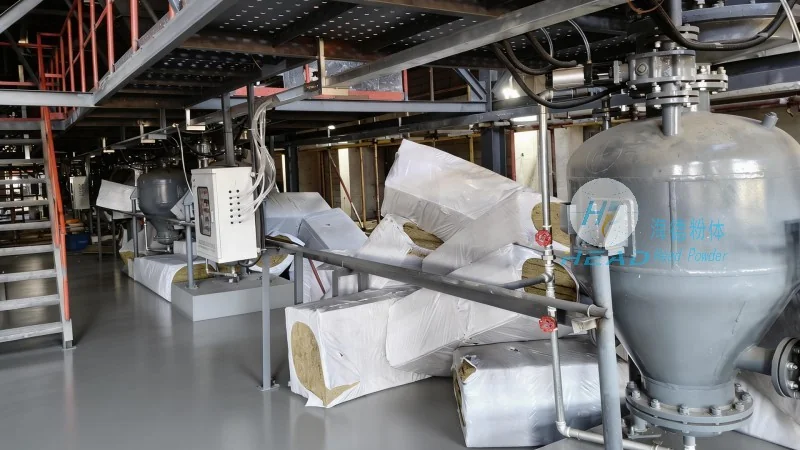
Company Background: Shandong HeadPowder Engineering Co., Ltd.
Shandong HeadPowder Engineering Co., Ltd., commonly known as HeadPowder, is a reputable company based in Shandong, China. With a strong commitment to innovation and quality, HeadPowder specializes in the design, manufacturing, and integration of bulk material handling solutions. The company's expertise lies in understanding the unique challenges of bulk material handling and providing tailored systems that meet the specific needs of clients across various industries. HeadPowder's team of engineers and technicians brings years of experience in the field, ensuring that each system is optimized for performance, safety, and durability.
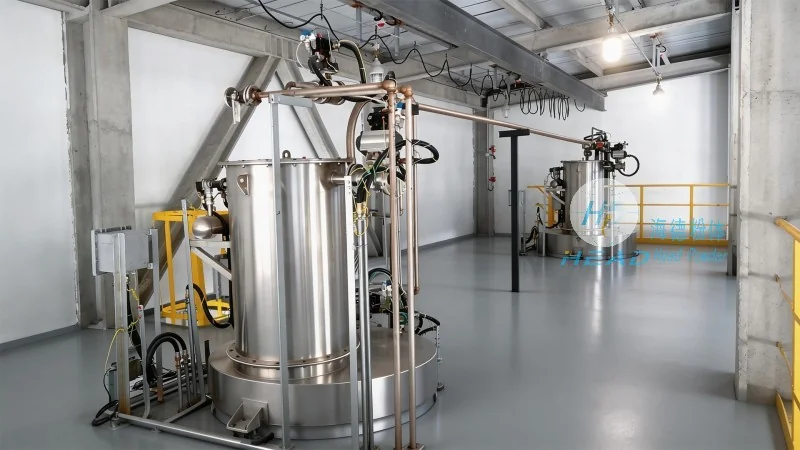
Working Principle of Bulk Bag Material Handling Systems
The working principle of bulk bag material handling systems involves several key steps to ensure the safe and efficient transfer of materials from the bulk bag to the destination. The process typically starts with the placement of the bulk bag on a suitable container or frame, such as a pallet or a hopper. The system then uses mechanical components, including hoists, conveyors, and dispensing mechanisms, to open the bag and release the material. A common method involves using a discharge spout or a bottom opening mechanism that allows the material to flow out under gravity or with the assistance of a conveyor system. The system may also include features like level sensors and flow control valves to regulate the discharge rate and prevent overfilling or clogging. The entire process is designed to minimize material loss, reduce labor costs, and enhance operational safety. HeadPowder's systems are engineered to handle a wide range of materials, from powders and granules to liquids and bulk solids, ensuring versatility and adaptability.
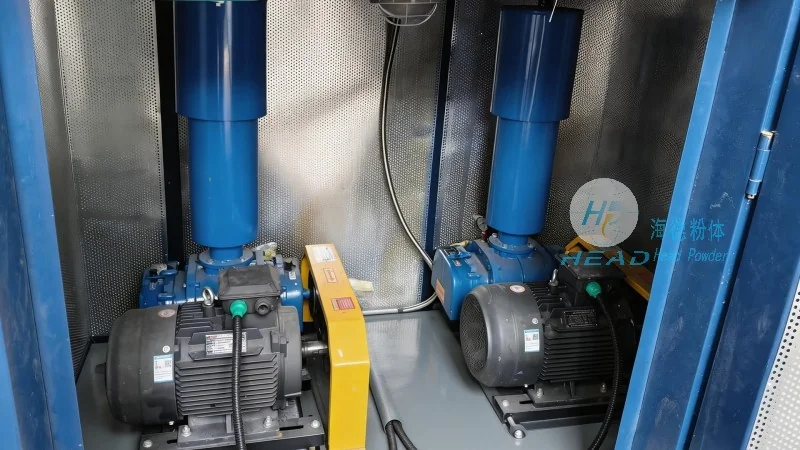
Key Features of Bulk Bag Material Handling Systems
Bulk bag material handling systems from HeadPowder are characterized by several advanced features that enhance their performance and usability. One of the primary features is the integrated hoisting and lifting mechanism, which allows for easy handling and positioning of the bulk bag. This feature reduces the need for manual lifting and minimizes the risk of injury to operators. Another important feature is the automated discharge system, which can be controlled remotely or via a programmable logic controller (PLC), providing precise control over the material flow. The systems also include features like dust suppression and containment, such as dust collection hoods and sealed discharge ports, to maintain a clean and safe working environment. Additionally, HeadPowder's systems are designed with durability in mind, using high-quality materials and robust construction to withstand heavy usage and harsh conditions. The modular design of these systems allows for easy maintenance and customization, enabling clients to adapt the system to changing operational requirements. Furthermore, the systems are equipped with safety sensors and emergency stop mechanisms to prevent accidents and ensure compliance with industry standards.
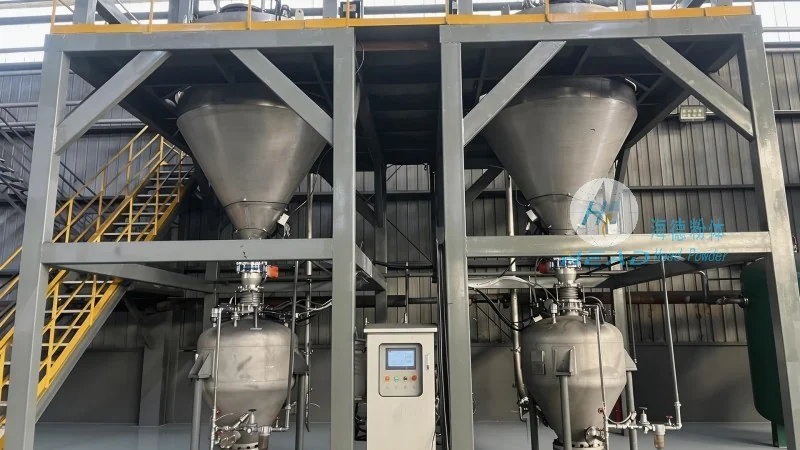
Benefits and Applications
The implementation of bulk bag material handling systems offers numerous benefits to businesses, including increased productivity, reduced labor costs, and improved safety. By automating the material handling process, companies can handle larger volumes of materials with fewer personnel, leading to higher throughput and operational efficiency. The systems also help in maintaining consistent material quality by preventing contamination and loss during transfer. HeadPowder's bulk bag material handling systems are widely used in industries such as food and beverage, pharmaceuticals, chemicals, and construction. In the food industry, these systems are used to handle ingredients like flour, sugar, and spices, ensuring hygienic and efficient processing. In the pharmaceutical sector, the systems are employed to transfer active pharmaceutical ingredients (APIs) and other sensitive materials, maintaining strict quality control standards. The construction industry utilizes bulk bag material handling systems for transporting aggregates, cement, and other bulk materials to job sites, improving logistics and reducing transportation costs. Overall, the features and working principles of bulk bag material handling systems make them indispensable tools for modern industrial operations.




