

Working Principle and Features of Sorghum Pneumatic Conveying Equipment
Sorghum, a versatile grain widely used in food, animal feed, and biofuel production, requires efficient and reliable handling equipment to ensure smooth processing from field to end-use. Among the various technologies available for grain handling, pneumatic conveying systems have emerged as a preferred solution for transporting sorghum due to their ability to handle bulk materials with minimal manual intervention. This article delves into the working principle and key features of sorghum pneumatic conveying equipment, highlighting how these systems enhance operational efficiency and product quality.
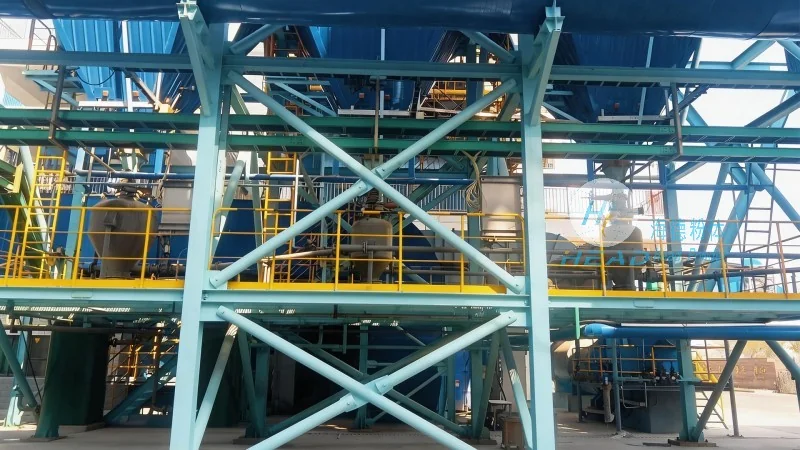
Working Principle of Sorghum Pneumatic Conveying Systems
Pneumatic conveying, also known as air conveying, operates by using a stream of air to transport solid particles through a pipeline. The fundamental principle involves creating a pressure differential or vacuum within the system to move the material. There are two primary modes of pneumatic conveying: aspiration (or vacuum) systems and pressure systems. Aspiration systems use a vacuum to draw material from a source, such as a silo or hopper, into the conveying line. This method is ideal for applications where the material needs to be transported from a lower elevation or where dust control is critical. Pressure systems, on the other hand, use compressed air to push material through the pipeline, typically from a higher elevation to a lower one. Both modes are adaptable to sorghum handling, with the choice depending on factors like the distance of transport, the height difference, and the required flow rate.
For sorghum, the design of the pneumatic conveying system must account for the grain's physical properties. Sorghum kernels are relatively small, with diameters ranging from 2 to 8 millimeters, and have a relatively low bulk density compared to other grains like wheat. These characteristics influence the selection of the conveying velocity and the size of the pipeline. The system typically includes a hopper or silo to store the sorghum, a feeder to control the flow rate, a conveying line with appropriate diameter and length, and a receiver to deposit the material at the destination. The feeder, often a rotary valve or a screw feeder, ensures a consistent flow of sorghum into the conveying line, preventing blockages and maintaining system efficiency. The conveying line is usually made of stainless steel or other corrosion-resistant materials to withstand the abrasive nature of sorghum and to maintain hygiene standards, which are crucial in food processing applications.
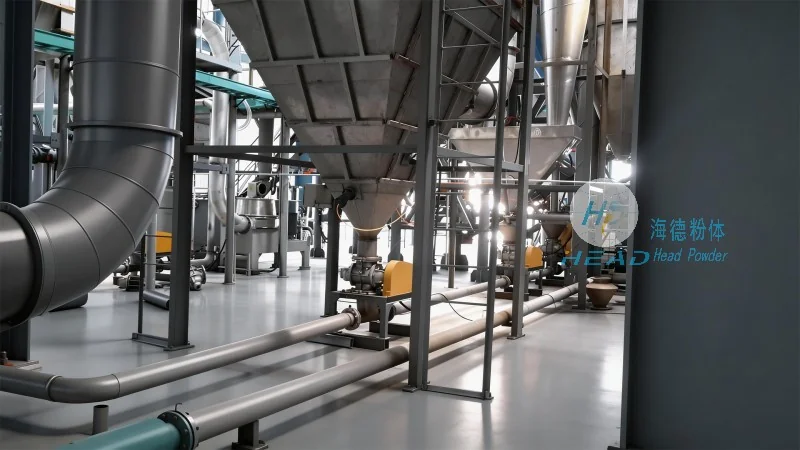
Key Features of Sorghum Pneumatic Conveyors
Sorghum pneumatic conveying equipment is characterized by several features that make it a superior choice for grain handling. First, high efficiency and capacity are critical advantages. Pneumatic systems can transport large volumes of sorghum at high speeds, reducing the time and labor required for material movement. This efficiency is particularly valuable in industrial settings where continuous production is essential. Second, environmental benefits are significant. Unlike mechanical conveyors, which may generate dust and noise, pneumatic systems minimize dust emissions, contributing to a cleaner working environment and compliance with environmental regulations. The enclosed pipeline design also prevents contamination from external sources, ensuring the quality of the sorghum remains intact throughout the process.
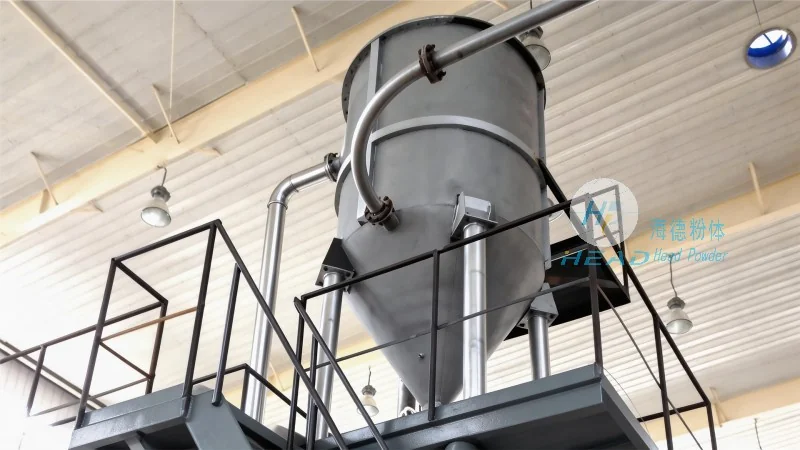
Third, flexibility and adaptability are key features. Pneumatic conveying systems can be configured to handle different types of sorghum, including whole grains, broken kernels, or even processed products like sorghum flour. The system can be easily reconfigured to change the destination of the material, making it suitable for various processing stages, such as from storage to milling or from milling to packaging. Additionally, the system can accommodate changes in flow rate or distance without major modifications, providing flexibility for evolving production needs. Fourth, low maintenance and durability are important considerations. The components of a pneumatic system, such as the pipeline, feeder, and receiver, are designed to withstand the abrasive nature of sorghum and the constant flow of air. Stainless steel construction reduces the risk of corrosion and wear, while the absence of moving parts in the conveying line (except for the feeder) minimizes maintenance requirements. This durability ensures long-term operational reliability and reduces downtime, which is critical for maintaining production schedules.
Company Introduction: HeadPowder
HeadPowder, the brand of Shandong HeadPowder Engineering Co., Ltd., is a leading manufacturer of pneumatic conveying equipment specializing in solutions for the agricultural and food processing industries. Based in Shandong, China, HeadPowder has established itself as a trusted provider of high-quality, customized pneumatic systems tailored to the specific needs of grain handling operations. The company's expertise lies in designing and manufacturing equipment that combines efficiency, durability, and environmental friendliness, ensuring that clients can achieve optimal performance in their sorghum processing facilities. With a strong commitment to innovation and customer satisfaction, HeadPowder continues to deliver reliable solutions that meet the evolving demands of the industry.