Desulfurization gypsum, a byproduct of flue gas desulfurization in thermal power plants and other industrial facilities, requires efficient handling and transportation. The pneumatic conveying system is a critical piece of equipment designed to handle this material safely and effectively. This article explores the working principle and key features of the desulfurization gypsum pneumatic conveying system, highlighting its importance in industrial applications.
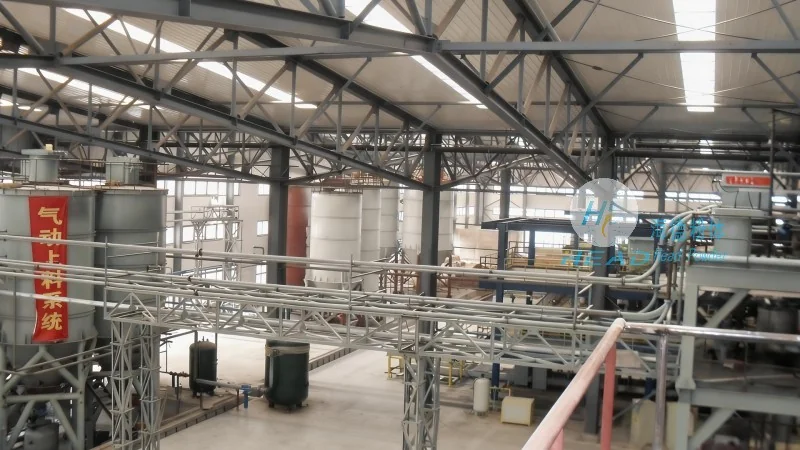
Working Principle of the Desulfurization Gypsum Pneumatic Conveying System
The desulfurization gypsum pneumatic conveying system operates on the principle of air flow to transport bulk materials. The system typically consists of a blower, a hopper, a conveying pipeline, and a discharge device. The process begins with the gypsum material being fed into the hopper. The blower then generates a high-pressure air stream, which draws the gypsum particles into the pipeline. As the air flows through the pipeline, it carries the gypsum particles to the discharge point. The system can be either positive or negative pressure, depending on the specific application requirements. The positive pressure system uses compressed air to push the material forward, while the negative pressure system uses suction to draw the material.
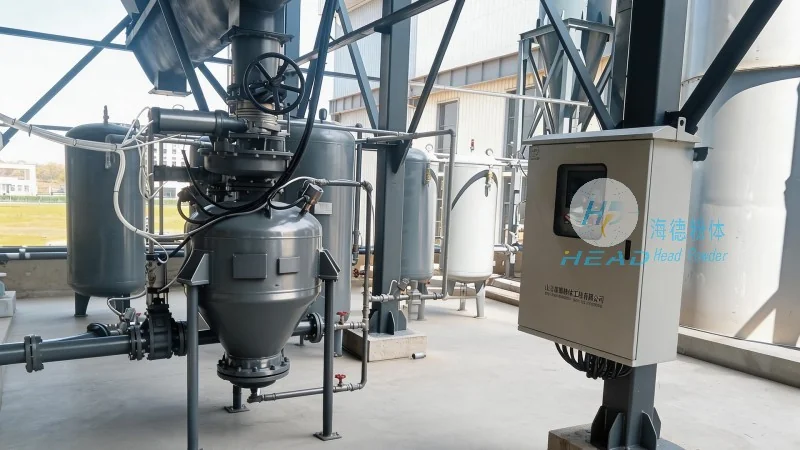
Key Features of the Desulfurization Gypsum Pneumatic Conveying System
The desulfurization gypsum pneumatic conveying system offers several advantages that make it ideal for handling this material. First, it provides a dust-free and hygienic environment, which is crucial for industrial applications where contamination must be minimized. Second, the system is highly efficient, with low energy consumption and high material throughput. Third, it is flexible in terms of layout, allowing for horizontal, vertical, or inclined transport. Fourth, the system is easy to maintain and operate, with minimal downtime. Additionally, the system can be customized to meet specific customer requirements, such as different conveying distances or material types.
Technical Specifications and Application Scenarios
The technical specifications of the desulfurization gypsum pneumatic conveying system vary depending on the specific application. However, common specifications include conveying distances up to several hundred meters, material flow rates ranging from several tons per hour to several hundred tons per hour, and air pressure levels from 0.5 to 1.0 MPa. The system is widely used in power plants, cement factories, and other industrial facilities where desulfurization gypsum needs to be transported from the desulfurization unit to storage or processing areas.
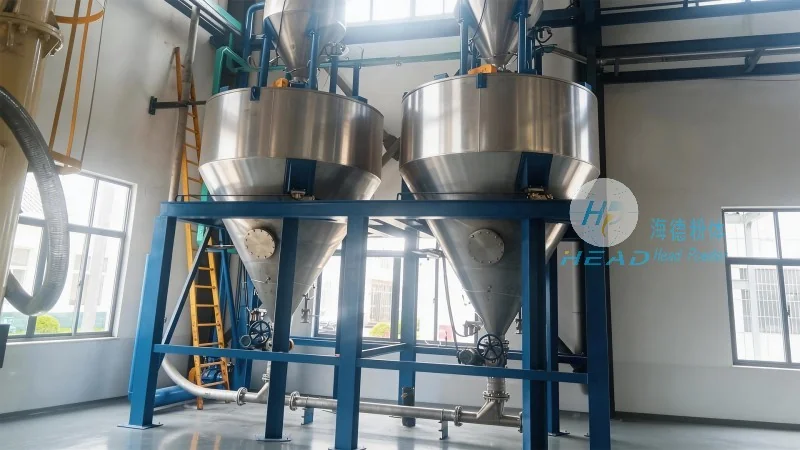
Company Profile and Service Commitment
Shandong HeadPowder Engineering Co., Ltd., a leading manufacturer of industrial conveying equipment, specializes in the design, production, and installation of desulfurization gypsum pneumatic conveying systems. With years of experience in the industry, the company has developed a range of high-quality products that meet the needs of various customers. The company's products are manufactured using advanced technology and high-quality materials, ensuring durability and reliability. HeadPowder provides comprehensive after-sales service, including installation, commissioning, and maintenance, to ensure that customers can use the equipment safely and efficiently. The company is committed to providing customers with the best possible service and products, and is dedicated to helping customers improve their production efficiency and reduce costs.




