When it comes to managing desulfurization fly ash, the design of an efficient and reliable pneumatic conveying system is crucial for industrial operations. This article explores the key considerations and strategies for developing a well-structured plan that ensures optimal performance and cost-effectiveness in handling this material.
Understanding the Importance of System Design
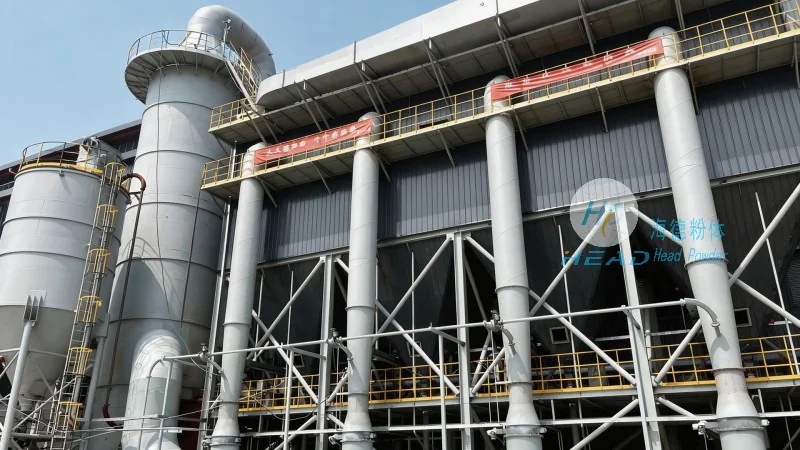
Desulfurization fly ash, a byproduct of flue gas desulfurization processes, requires specialized handling due to its characteristics such as particle size, moisture content, and density. A poorly designed pneumatic conveying system can lead to operational inefficiencies, increased maintenance costs, and even safety hazards. Therefore, a systematic approach to system design is essential to meet the specific demands of each industrial application.
Key Factors in Pneumatic Conveying System Design
Several critical factors must be considered when designing a pneumatic conveying system for desulfurization fly ash. These include the material's physical properties, the required conveying distance and capacity, the available air supply, and the overall system layout. Each of these elements plays a vital role in determining the system's efficiency and reliability.
Material Characteristics and Their Impact
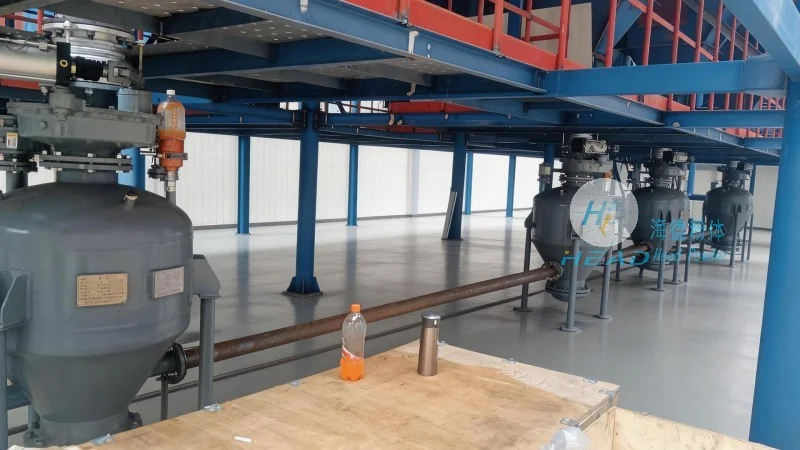
The physical properties of desulfurization fly ash significantly influence the choice of conveying technology. For instance, the particle size distribution and moisture content affect the air velocity and pressure requirements. Dense or high-moisture ash may necessitate higher air pressures or specialized equipment to ensure smooth transport. Understanding these characteristics allows engineers to select the most appropriate conveying method, whether it's dilute-phase or dense-phase pneumatic conveying.
System Capacity and Throughput Requirements
The capacity and throughput of the pneumatic conveying system must align with the production scale and operational needs of the facility. Overdesigning or underdesigning the system can result in bottlenecks or excessive energy consumption. Accurate assessment of the ash generation rate and the required delivery speed is essential to ensure the system operates within its optimal range.
Air Supply and Pressure Considerations
The air supply system, including the blower or compressor, is a critical component of the pneumatic conveying system. The pressure and flow rate of the air directly impact the conveying distance and material transport efficiency. Selecting the right type of air mover, such as a positive displacement blower or a centrifugal fan, based on the system's requirements is crucial for maintaining consistent performance.
System Layout and Integration
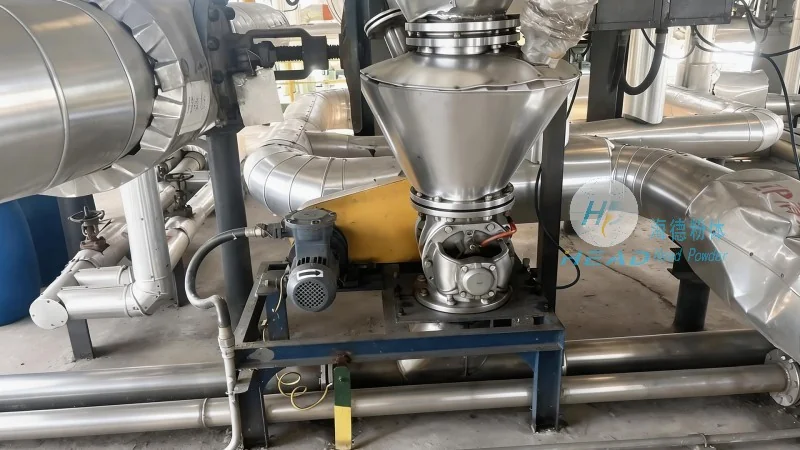
The layout of the pneumatic conveying system, including the placement of hoppers, pipelines, and receiving vessels, must be carefully planned to minimize material handling losses and ensure smooth operation. Integration with existing plant infrastructure, such as storage silos or processing units, requires coordination to avoid disruptions and ensure seamless material flow.
Engineering and Design Services by Shandong HeadPowder Engineering Co., Ltd.
Shandong HeadPowder Engineering Co., Ltd., a leading provider of engineering solutions for material handling systems, offers comprehensive design and consultation services for desulfurization fly ash pneumatic conveying systems. With years of experience in the industry, the company's experts leverage advanced engineering principles and practical field knowledge to develop customized solutions that meet the unique needs of each client.
Customized System Solutions
HeadPowder specializes in creating tailored pneumatic conveying systems that address the specific challenges of handling desulfurization fly ash. The company's approach involves thorough site assessments, material analysis, and system simulations to ensure the final design is optimized for performance, reliability, and cost-effectiveness. By considering factors such as ash characteristics, conveying distance, and operational constraints, HeadPowder delivers systems that enhance operational efficiency and reduce downtime.
Quality Assurance and Compliance
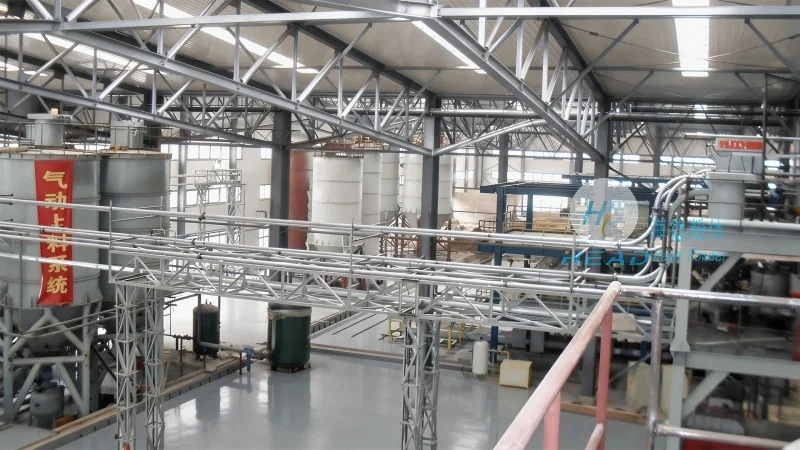
All pneumatic conveying systems designed by Shandong HeadPowder Engineering Co., Ltd. adhere to industry standards and regulatory requirements. The company's commitment to quality is reflected in its rigorous testing and validation processes, ensuring that each system meets the highest safety and performance benchmarks. This focus on compliance and quality assurance provides clients with peace of mind and reliable operation over the long term.
Conclusion
Designing a reasonable desulfurization fly ash pneumatic conveying system requires a deep understanding of material properties, system requirements, and engineering principles. By considering key factors such as material characteristics, capacity, air supply, and system layout, along with professional engineering support, industrial facilities can achieve efficient and reliable material handling. Shandong HeadPowder Engineering Co., Ltd. stands ready to provide the expertise and solutions needed to develop optimal pneumatic conveying systems for desulfurization fly ash applications.




