When it comes to managing and transporting dry manure efficiently, a well-designed pneumatic conveying system is essential. This guide outlines the key considerations and steps for creating a reliable dry manure pneumatic conveying system plan, ensuring optimal performance and cost-effectiveness.
Understanding the Core Components of a Dry Manure Pneumatic Conveying System
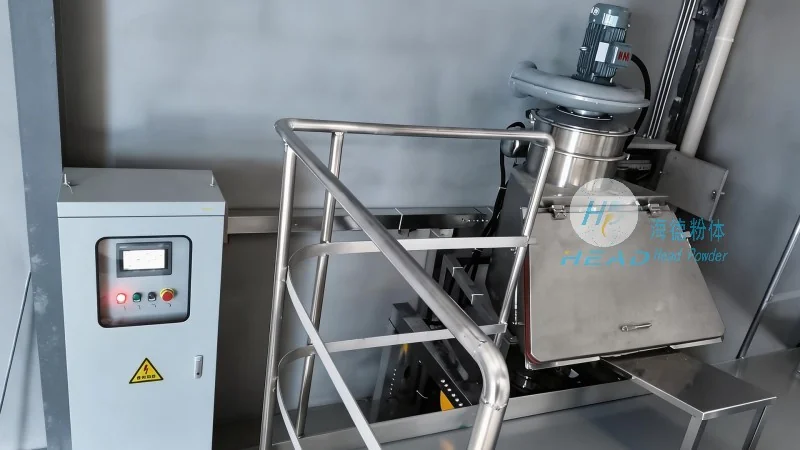
A dry manure pneumatic conveying system typically consists of several critical components that work in unison to transport material. The primary elements include a material feeder, a conveying line (often with bends and straight sections), a dust collector or filter system, and a receiver or discharge unit. Each component plays a vital role in the overall efficiency of the system. For instance, the material feeder ensures a consistent flow of dry manure into the conveying line, while the dust collector maintains air quality and prevents contamination. The choice of these components is crucial and depends on the specific characteristics of the dry manure, such as particle size, moisture content, and bulk density.
Key Design Factors for a Reliable Dry Manure Pneumatic Conveying System
Designing a dry manure pneumatic conveying system requires careful consideration of several factors to ensure it operates smoothly and meets the operational requirements. One of the most important factors is the selection of the right type of conveying system, whether it's a positive or negative pressure system. Positive pressure systems use a blower to push air and material through the line, while negative pressure systems use a vacuum to draw material. The choice between these systems depends on the distance, height, and material properties. Additionally, the system's capacity and the required conveying speed must be calculated accurately. This involves determining the material's flow rate, the air velocity needed to move the material, and the pressure drop across the system. Proper calculations help in selecting the appropriate blower or vacuum pump and the right size of the conveying line.
Material Feeder and Inlet Design Considerations
The material feeder is a critical component that directly impacts the system's performance. For dry manure, a screw feeder or a rotary valve is commonly used to feed material into the conveying line. The feeder must be designed to handle the material's bulk density and flow characteristics without causing blockages or uneven feeding. The inlet design is equally important, as it should minimize the risk of material buildup and ensure a smooth transition from the feeder to the conveying line. Proper sealing and alignment of the inlet are essential to prevent air leakage and maintain the system's efficiency.
Conveying Line and Bending Elements
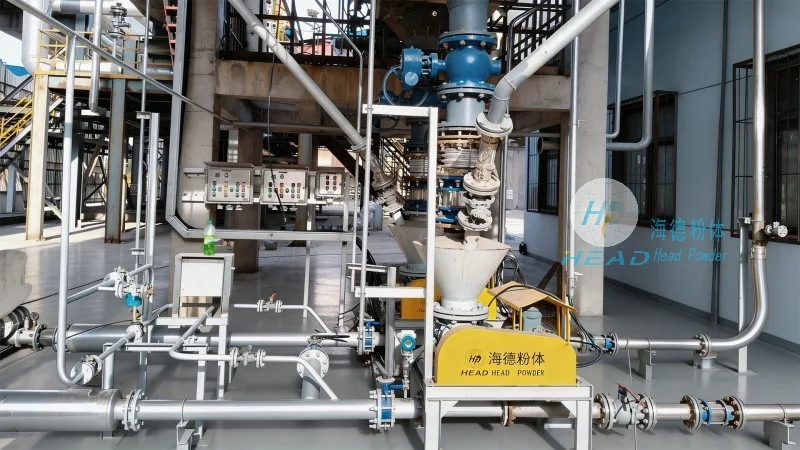
The conveying line is the backbone of the system, and its design directly affects the system's efficiency and durability. The line is typically made of metal or plastic, depending on the material's corrosiveness and the operating conditions. The diameter of the line is chosen based on the material's flow rate and the required air velocity. Bends and other changes in direction are necessary to navigate the system layout, but they introduce pressure losses. Therefore, the number and angle of bends should be minimized to reduce energy consumption. The use of smooth bends and proper support of the line can help maintain the air velocity and prevent material deposition.
Dust Collection and Filtration System
Since dry manure can generate dust during the conveying process, a dust collection and filtration system is essential to maintain air quality and comply with environmental regulations. The system typically includes a filter, such as a baghouse or cartridge filter, and a fan to draw air through the filter. The filter must be able to handle the dust load and be easy to clean and maintain. The design of the system should ensure that the air is cleaned before being released back into the environment, preventing dust from spreading and causing health hazards. Regular maintenance of the filter is crucial to ensure the system operates efficiently and meets the required air quality standards.
Receiver and Discharge Unit
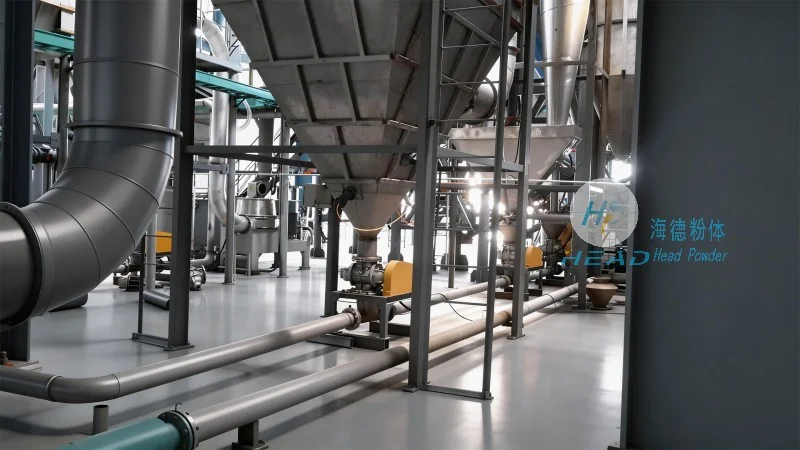
The receiver or discharge unit is where the dry manure is collected after being conveyed. The design of this unit should allow for easy unloading and prevent material buildup. It may include a hopper or a bin with a discharge valve, such as a rotary valve or a gate valve. The receiver should be properly sealed to prevent air leakage and maintain the system's pressure. The discharge unit should be designed to handle the material's flow characteristics and ensure a smooth discharge without causing blockages or spillage. Proper maintenance of the receiver and discharge unit is essential to ensure the system operates reliably and meets the operational requirements.
System Integration and Control
Integrating all components of the dry manure pneumatic conveying system is crucial for its smooth operation. The system should be controlled by a programmable logic controller (PLC) or a similar control system that monitors and adjusts the operation based on real-time conditions. The control system should include sensors to measure pressure, flow rate, and material level, and it should be able to detect and respond to any issues, such as blockages or air leaks. Proper integration and control of the system help maintain its efficiency and reliability, reducing downtime and maintenance costs.
Conclusion and Recommendations
Designing a reasonable dry manure pneumatic conveying system requires a comprehensive approach that considers all the key components and factors. By carefully selecting the right components, calculating the system's capacity and pressure requirements, and ensuring proper integration and control, you can create a system that efficiently transports dry manure while maintaining air quality and meeting operational requirements. It is recommended to consult with a professional engineering firm, such as Shandong HeadPowder Engineering Co., Ltd., which specializes in dry manure handling systems, to ensure the design meets your specific needs and complies with all relevant regulations. With the right design and implementation, a dry manure pneumatic conveying system can provide long-term benefits in terms of efficiency, cost savings, and environmental compliance.




