When it comes to the efficient handling and transportation of cassava powder, understanding the underlying working principles and distinctive characteristics of the conveying systems is crucial. This article delves into the technical aspects of cassava powder conveying, highlighting how modern systems operate and the key attributes that make them effective solutions for various industrial applications.
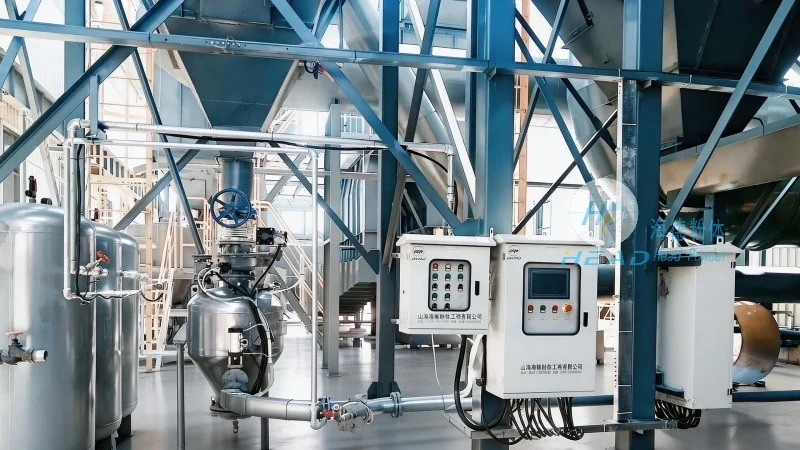
HeadPowder, a leading provider in the field, specializes in designing and manufacturing advanced powder conveying solutions tailored to the unique demands of cassava processing industries. With a strong presence in Shandong, China, the company combines decades of expertise to deliver reliable and efficient systems that meet the stringent requirements of the food and agricultural sectors.
The Working Principle of Cassava Powder Conveying Systems
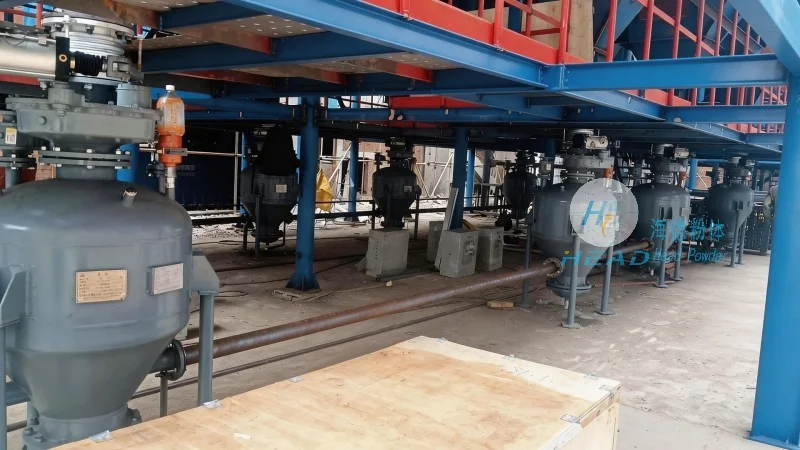
At the core of cassava powder conveying lies the mechanism that moves the fine powder from one location to another. The primary working principle revolves around the use of either pneumatic or mechanical methods, each with its own advantages and applications. Pneumatic conveying systems, for instance, utilize air pressure to transport the powder through a network of pipes. The process typically involves a hopper where the cassava powder is loaded, followed by the introduction of air through a blower or compressor. This creates a flow of air that carries the powder particles along the pipeline, ensuring a continuous and controlled movement. The system may include components such as cyclones or filters to separate the powder from the air at the receiving end, allowing for clean and efficient collection.
Mechanical conveying systems, on the other hand, rely on physical components like screws, belts, or buckets to move the powder. These systems are often preferred for bulkier or more abrasive materials, though they can also be adapted for cassava powder under certain conditions. The mechanical approach involves a conveyor screw or belt that transports the powder through a trough or tube, ensuring minimal degradation of the powder's quality. Both pneumatic and mechanical systems are designed to maintain the integrity of the cassava powder, preventing clumping or agglomeration that could affect downstream processes.
Key Characteristics of Cassava Powder Conveying Solutions
The effectiveness of cassava powder conveying is defined by several key characteristics that enhance performance and reliability. One of the most notable features is the high efficiency in material handling. Modern systems can transport large volumes of cassava powder with minimal energy consumption, making them cost-effective for industrial operations. This efficiency is achieved through optimized airflow or mechanical motion, ensuring that the powder moves smoothly without excessive friction or resistance.
Another critical characteristic is the ability to maintain product quality. Cassava powder is sensitive to moisture, temperature, and contamination, and the conveying system must protect it from these factors. Advanced designs incorporate features such as sealed pipelines, temperature control, and filtration to prevent any degradation. For example, pneumatic systems often use dry air to avoid moisture absorption, while mechanical systems may include enclosed conveyors to shield the powder from external elements.
Adaptability is also a significant characteristic. Cassava processing facilities often require flexible conveying solutions that can handle varying particle sizes, moisture content, or flow rates. The systems from HeadPowder are engineered to be versatile, allowing for adjustments in speed, pressure, or configuration to suit different production needs. This adaptability ensures that the conveying process remains efficient even when production parameters change.
Reliability and Durability in Cassava Powder Conveying
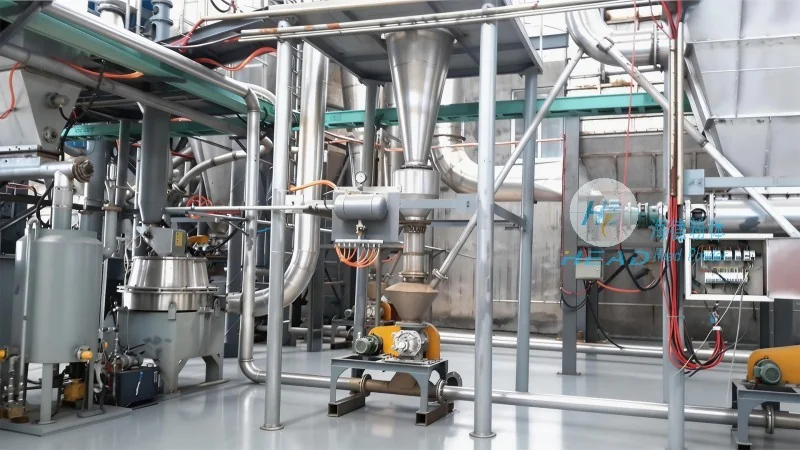
Reliability is paramount in industrial settings, and cassava powder conveying systems must be built to withstand continuous operation and the demands of the processing environment. High-quality materials, such as stainless steel or corrosion-resistant alloys, are used in the construction of pipelines, hoppers, and other components to ensure longevity. These materials resist wear and tear from the abrasive nature of cassava powder, reducing maintenance needs and downtime.
The design of the conveying system also contributes to its reliability. Proper sealing and alignment of components prevent leaks and ensure consistent performance. For instance, in pneumatic systems, the blower and air filters are critical components that, when well-maintained, guarantee steady airflow and prevent air leaks that could disrupt the conveying process. Mechanical systems benefit from robust drive mechanisms and wear-resistant parts that minimize the risk of breakdowns.
Environmental Considerations in Cassava Powder Conveying
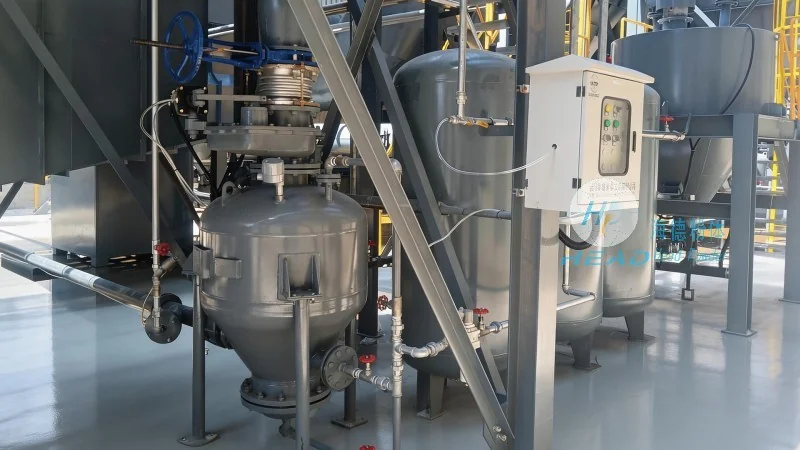
As industries increasingly focus on sustainability, the environmental impact of conveying systems becomes an important consideration. Modern cassava powder conveying solutions are designed with eco-friendly features to minimize energy use and reduce waste. Energy-efficient motors and blowers are used to lower power consumption, while the systems are engineered to minimize air emissions and noise pollution. Additionally, the use of sealed and enclosed designs helps prevent dust and powder from escaping into the environment, contributing to a cleaner operational space.
HeadPowder's commitment to environmental responsibility is reflected in their product design. By incorporating energy-saving technologies and sustainable materials, their conveying systems not only enhance operational efficiency but also align with the growing demand for environmentally conscious industrial practices. This approach ensures that the company's solutions are not only effective but also responsible, supporting the long-term sustainability of cassava processing operations.
Conclusion: Choosing the Right Cassava Powder Conveying System
In conclusion, the working principle and characteristics of cassava powder conveying systems play a vital role in the efficiency and success of cassava processing operations. Whether through pneumatic or mechanical means, these systems are designed to handle the unique challenges of cassava powder, ensuring high-quality transport and minimal operational issues. The solutions provided by Shandong HeadPowder Engineering Co., Ltd. leverage advanced technology and expert engineering to deliver reliable, efficient, and sustainable conveying systems that meet the needs of modern industries. By understanding the principles and features of these systems, businesses can make informed decisions to optimize their cassava powder handling processes and enhance overall productivity.




