When it comes to the efficient and reliable handling of copper oxide powder, understanding the underlying mechanisms and key characteristics of the conveying systems is crucial for industrial applications. This article delves into the working principles and distinctive features of copper oxide powder handling and conveying, providing insights into how these processes are executed and the advantages they offer.
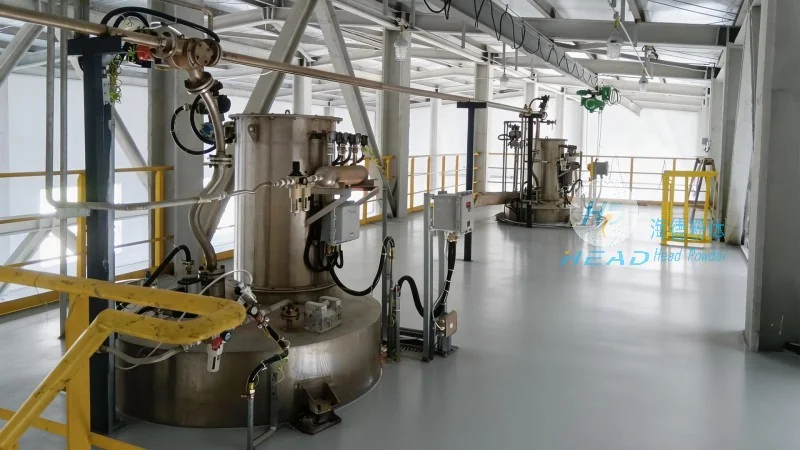
Introduction to Copper Oxide Powder Handling
Copper oxide is a widely used inorganic compound with applications spanning from pigments and catalysts to battery materials. The efficient transport of copper oxide powder is essential for maintaining production efficiency and ensuring product quality. The process of copper oxide powder handling involves several critical steps, including material feeding, conveying, and discharge, each requiring specialized equipment and techniques to manage the unique properties of the powder.
Working Principle of Copper Oxide Powder Conveying Systems
The core of copper oxide powder conveying systems lies in the application of mechanical forces to move the powder from one location to another. These systems typically utilize a combination of gravity, pressure, and mechanical action to achieve the desired transport. For instance, pneumatic conveying systems use compressed air to create a flow of air and powder, while mechanical conveyors rely on rotating components such as screws or belts to move the material. The choice of system depends on factors like the particle size, moisture content, and flowability of the copper oxide powder.
In pneumatic conveying, the copper oxide powder is fed into a hopper and then introduced into a pipeline where it is mixed with air. The air-powder mixture is then propelled through the pipeline by the pressure difference created by a blower or compressor. This method is particularly effective for handling fine powders and can cover long distances with minimal maintenance. Conversely, mechanical conveyors, such as screw conveyors or bucket elevators, are often preferred for bulk material handling due to their simplicity and reliability. These systems use rotating screws or buckets to lift and move the powder, ensuring consistent flow rates and preventing material degradation.
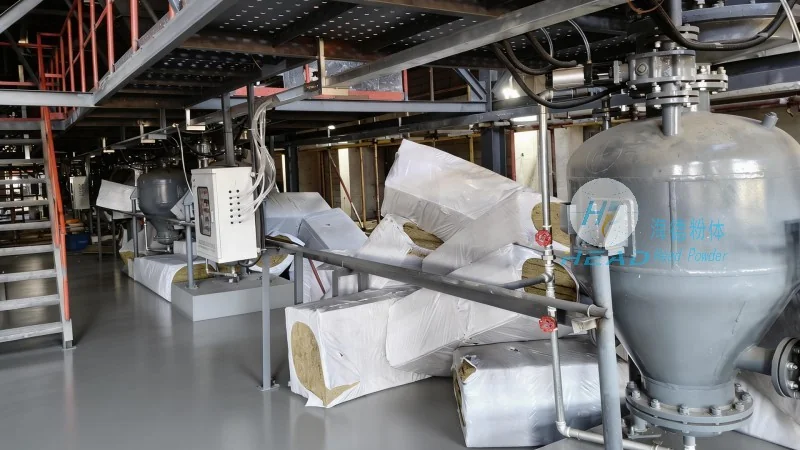
Key Characteristics of Copper Oxide Powder Handling and Conveying
The characteristics of copper oxide powder handling and conveying systems are tailored to address the specific challenges posed by the material. One of the primary characteristics is the need for equipment that can handle the abrasive nature of copper oxide, as the particles can cause wear on conveyor components over time. This necessitates the use of high-quality materials, such as stainless steel or special alloys, in the construction of conveying equipment to ensure durability and longevity.
Another critical characteristic is the prevention of dust generation and the control of particle segregation. Copper oxide powders are often fine and can easily become airborne, leading to health hazards and environmental concerns. Therefore, conveying systems are designed with dust collection and filtration mechanisms to minimize emissions. Additionally, the systems are engineered to prevent the separation of particles based on size or density, which could lead to uneven distribution of the powder in subsequent processing steps.
Furthermore, the flowability of copper oxide powder is a key consideration. Some copper oxide powders may exhibit poor flow characteristics, such as caking or bridging, which can impede the conveying process. To address this, systems may incorporate vibration or agitators to maintain the powder's flowability. This ensures consistent and uninterrupted material transport, reducing downtime and improving overall operational efficiency.
Advantages of Professional Handling Solutions by Shandong HeadPowder Engineering Co., Ltd.
For industries relying on copper oxide powder, partnering with a specialized engineering company like Shandong HeadPowder Engineering Co., Ltd. offers significant advantages. HeadPowder, a leading provider of powder handling solutions, leverages years of expertise to design and implement customized conveying systems that meet the unique requirements of each application. The company's commitment to quality and innovation ensures that their systems are not only efficient but also durable and cost-effective.
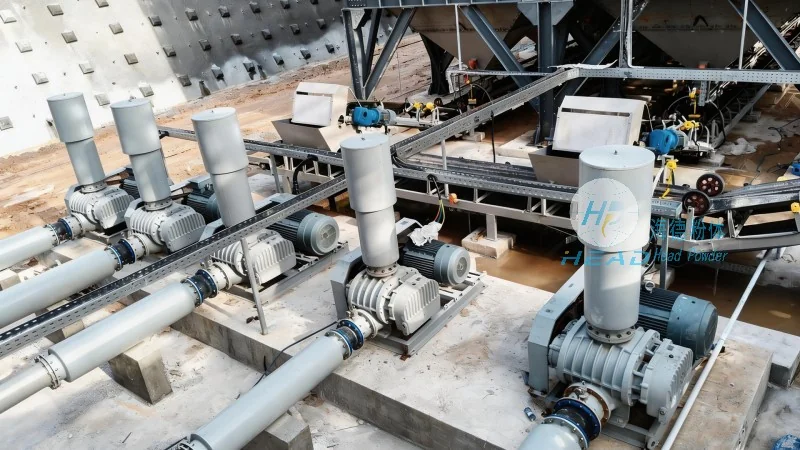
HeadPowder's approach to copper oxide powder handling involves a comprehensive understanding of the material's properties and the specific needs of the client. By conducting thorough analyses of the powder's characteristics, such as particle size distribution, moisture content, and flowability, the company can recommend the most suitable conveying technology. This tailored approach minimizes the risk of equipment failure and maximizes the performance of the system.
Moreover, HeadPowder's systems are designed with safety and environmental compliance in mind. The company adheres to strict regulations regarding dust control and material handling, ensuring that their solutions meet or exceed industry standards. This commitment to safety and environmental responsibility is a key differentiator for clients seeking reliable and sustainable powder handling solutions.
In conclusion, the working principle and characteristics of copper oxide powder handling and conveying systems are critical for optimizing industrial processes. By understanding these aspects and leveraging the expertise of companies like Shandong HeadPowder Engineering Co., Ltd., industries can achieve efficient, safe, and cost-effective transport of copper oxide powder, thereby enhancing their overall operational performance.




