Understanding the efficient handling of sawdust and wood flour is crucial for industries relying on these materials, such as woodworking, furniture manufacturing, and biomass energy production. The process of powder conveying for these materials involves specialized equipment designed to manage the unique properties of sawdust and wood flour, which are typically fine, lightweight, and prone to dust accumulation. This article explores the working principle and key characteristics of sawdust and wood flour powder conveying systems, highlighting the technology and features that enable effective material transport.
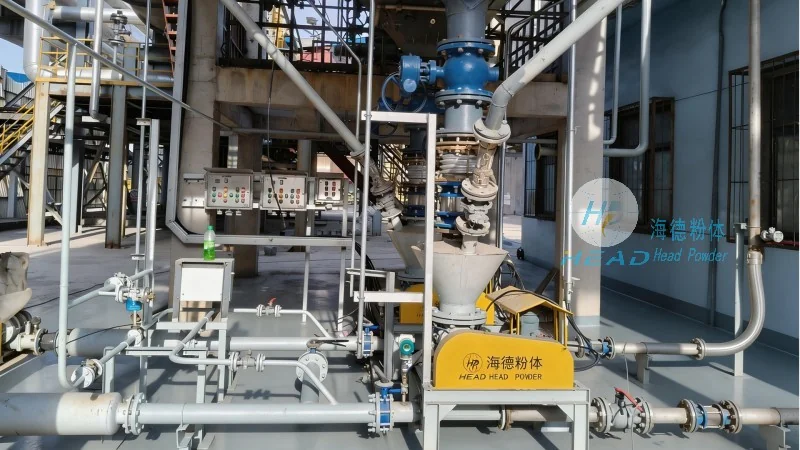
Working Principle of Sawdust and Wood Flour Powder Conveying
The core working principle of sawdust and wood flour powder conveying systems revolves around the use of air or mechanical forces to move the fine particles from one location to another. The most common method is pneumatic conveying, which utilizes compressed air to create a flow that transports the material through a pipeline. In this system, the sawdust or wood flour is fed into a hopper, where it is then drawn into a venturi or a rotary valve. The compressed air, often supplied by a blower or a compressor, creates a negative pressure in the pipeline, pulling the material along with the air stream. This method is particularly effective for handling materials that are light and have a tendency to clog traditional mechanical conveyors. The system typically includes components such as a feed hopper, a conveying line, a receiver, and a filter system to capture any dust that may escape. The air flow is carefully controlled to ensure consistent material transport without causing excessive pressure drops or material degradation.
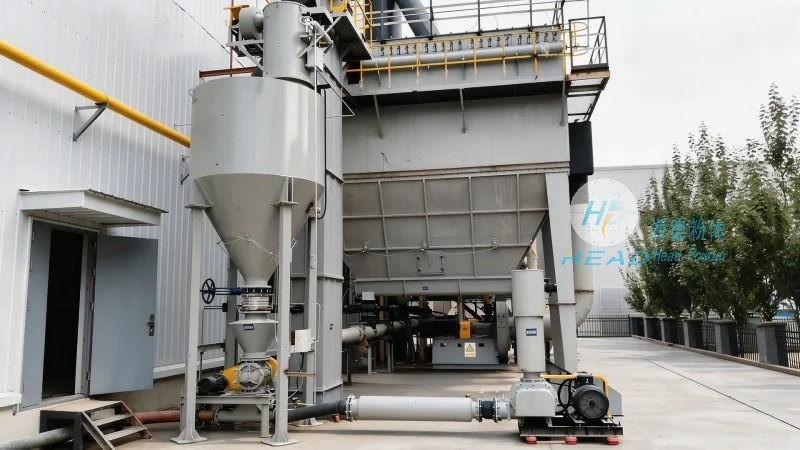
Key Characteristics of Sawdust and Wood Flour Powder Conveying Systems
Several distinct characteristics define the performance and suitability of sawdust and wood flour powder conveying systems. First, the systems are designed to handle fine, abrasive materials that can be challenging for traditional conveyors. The equipment is constructed with materials that resist wear and corrosion, such as stainless steel or special alloys, to ensure longevity and minimal maintenance. Second, the conveying process is often low-noise and energy-efficient, making it suitable for indoor or noise-sensitive environments. The use of compressed air allows for a relatively quiet operation compared to mechanical systems like screw conveyors or belt conveyors. Third, the systems are capable of handling varying material densities and moisture levels, adapting to different production needs. This flexibility is crucial for industries where the composition of sawdust or wood flour may change over time. Fourth, the technology supports both bulk and small-scale conveying, allowing for integration into various production lines. The ability to transport materials over long distances without significant loss or degradation is another important characteristic, ensuring that the material reaches its destination in optimal condition.
Application-Specific Features and Advantages
For applications involving sawdust and wood flour, specific features enhance the effectiveness of the conveying systems. For instance, some systems incorporate dust collection and filtration to maintain air quality and comply with environmental regulations. This is particularly important in woodworking facilities where dust can be a health hazard. Additionally, the systems may include temperature control mechanisms to prevent the material from overheating, which is critical for maintaining the quality of the wood flour, especially when it is used in food or pharmaceutical applications. The design of the conveying lines often includes smooth, rounded bends and transitions to minimize friction and prevent material buildup, which can lead to clogging or uneven flow. These features collectively contribute to a reliable and efficient operation, reducing downtime and increasing productivity.
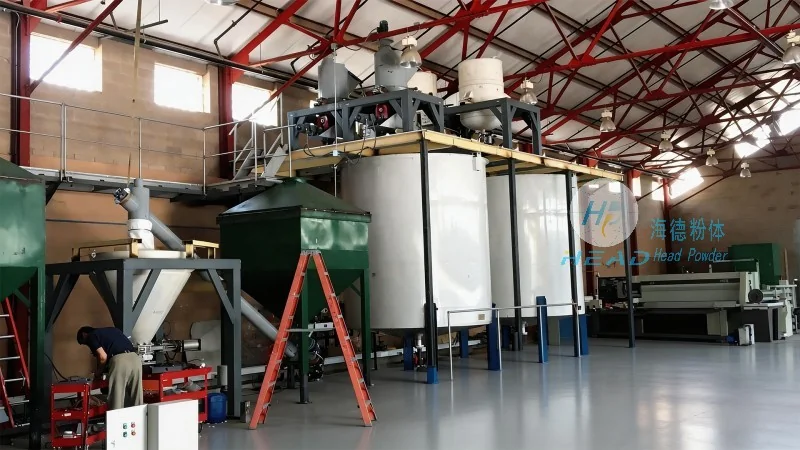
Company Overview: Shandong HeadPowder Engineering Co., Ltd.
Shandong HeadPowder Engineering Co., Ltd., commonly known as HeadPowder, is a leading manufacturer specializing in the design and production of powder handling equipment. With a focus on sawdust and wood flour processing, the company has developed advanced conveying systems tailored to the unique challenges of these materials. HeadPowder's expertise lies in creating customized solutions that meet the specific needs of their clients, ensuring efficient material transport while maintaining product quality. The company's facilities are located in Shandong, China, where they leverage local manufacturing capabilities to deliver high-quality equipment at competitive prices. Their commitment to innovation and customer satisfaction has established them as a trusted partner in the industry, providing reliable and durable powder conveying systems for various applications.




