When designing a pneumatic conveying system for lithium oxide, it is crucial to consider several key factors to ensure efficiency, safety, and cost-effectiveness. The process involves selecting appropriate equipment, determining the right air flow rates, and ensuring proper material handling to prevent degradation or loss of the material. This article provides a comprehensive guide to designing a well-structured lithium oxide pneumatic conveying system, tailored to the specific needs of industrial applications.
Key Considerations in System Design
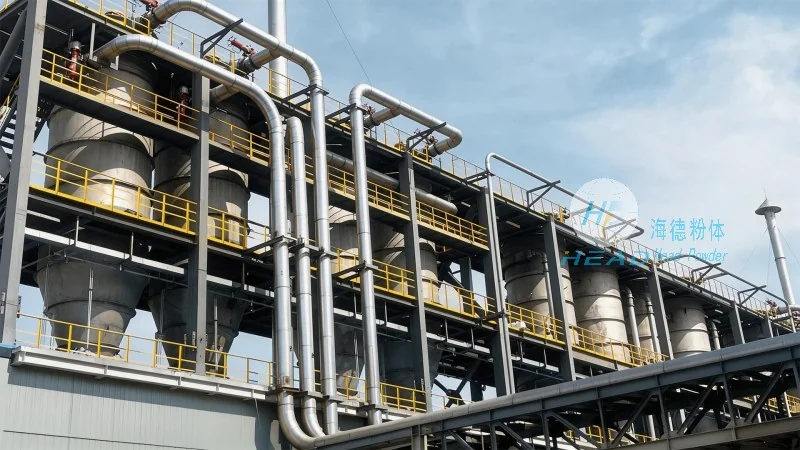
Several critical aspects must be addressed during the design phase. First, the material properties of lithium oxide, such as its particle size, density, and moisture content, play a significant role in determining the most suitable conveying method. For example, fine powders may require high-velocity systems, while bulkier particles might benefit from low-velocity or dense-phase conveying. Additionally, the system's layout, including the number of transfer points, vertical and horizontal runs, and the overall distance to be covered, impacts the selection of components like blowers, filters, and cyclones. Proper sizing of these components ensures optimal performance and minimizes energy consumption.
Equipment Selection for Lithium Oxide Conveying
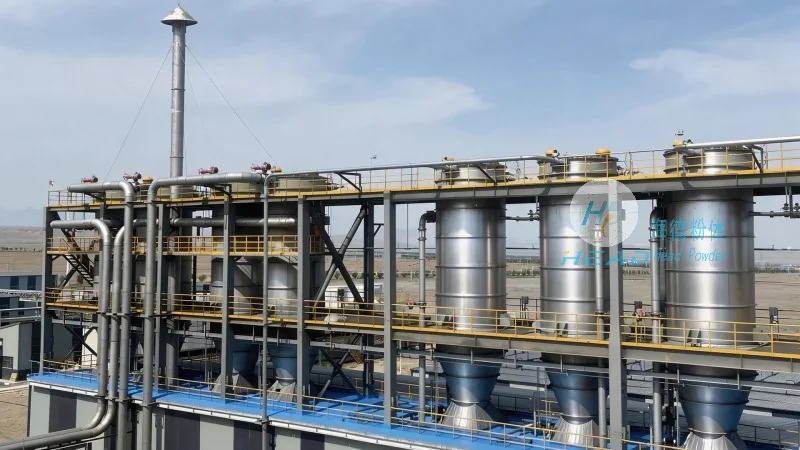
Choosing the right equipment is essential for a reliable lithium oxide pneumatic conveying system. The primary components include the air source (blower or compressor), the conveying line (flexible or rigid), and the separation equipment (cyclones or filters). For lithium oxide, which is a reactive material, it is vital to use equipment that prevents contamination and maintains material integrity. For instance, stainless steel or corrosion-resistant materials are often preferred for the conveying line and components to avoid chemical reactions with the material. The blower's capacity and pressure must be matched to the system's requirements, ensuring sufficient air flow to transport the material without causing excessive pressure drops or material degradation.
System Layout and Installation
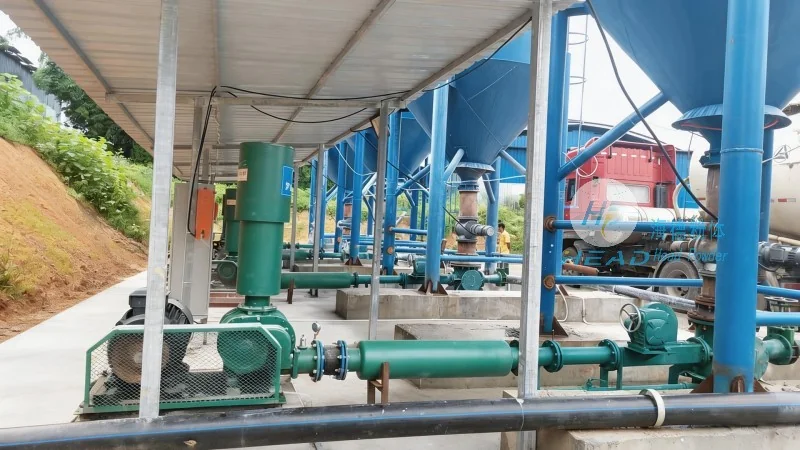
The layout of the pneumatic conveying system should be carefully planned to minimize material degradation and energy loss. Vertical and horizontal runs should be optimized to reduce the number of bends and changes in direction, as these can cause particle attrition and pressure losses. The placement of transfer points and the use of expansion joints or flexible connectors can help accommodate thermal expansion and vibrations, ensuring the system operates smoothly over time. Additionally, the system should be installed with proper grounding and safety features, such as explosion-proof designs for areas where lithium oxide dust may accumulate. This not only enhances safety but also complies with industrial regulations, protecting both personnel and the environment.
Performance Optimization and Maintenance
Once the system is installed, ongoing optimization and regular maintenance are necessary to maintain its efficiency. Monitoring air flow rates, pressure drops, and material flow through sensors and gauges can help identify potential issues early. Regular cleaning of filters and cyclones is crucial to prevent clogging, which can reduce system performance and increase energy consumption. Additionally, inspecting the conveying line and components for wear and tear, such as corrosion or abrasion, ensures the system remains in good working condition. By implementing a proactive maintenance schedule, the system's lifespan can be extended, and operational costs can be minimized.
Conclusion
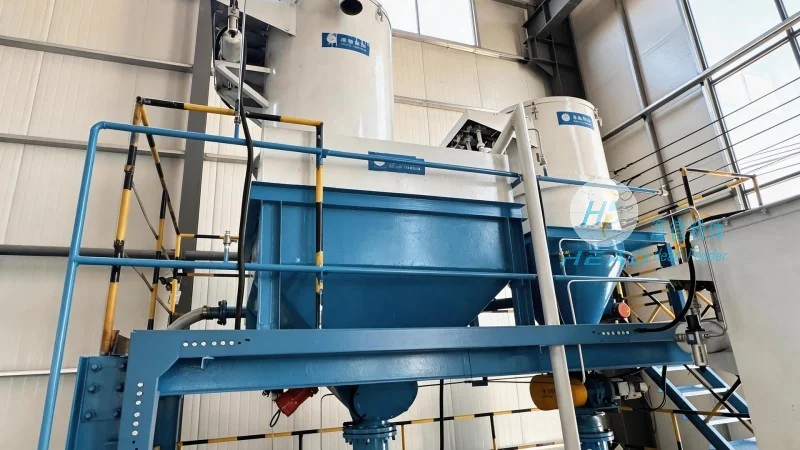
Designing a reasonable lithium oxide pneumatic conveying system requires a thorough understanding of material properties, equipment capabilities, and system layout. By addressing key considerations such as material handling, equipment selection, and system optimization, industrial facilities can achieve efficient and reliable transport of lithium oxide. The expertise of companies like Shandong HeadPowder Engineering Co., Ltd. in this field ensures that systems are tailored to meet specific operational needs, providing long-term benefits in terms of productivity and cost-effectiveness.




