When it comes to handling calcium fluoride (CaF₂) in industrial applications, selecting the right pneumatic conveying system is crucial for efficiency, safety, and cost-effectiveness. As a leading provider in the field, Shandong HeadPowder Engineering Co., Ltd., located in Shandong, China, specializes in creating customized solutions that address the unique challenges of transporting this material. This article outlines the key considerations and steps involved in designing a reliable calcium fluoride pneumatic conveying system.
Understanding the Material Properties of Calcium Fluoride
Before designing any conveying system, it's essential to understand the physical and chemical properties of calcium fluoride. CaF₂ is typically a white or off-white powder with a density ranging from 3.18 to 3.20 g/cm³. It is relatively abrasive and can be sensitive to moisture, which may affect its flow characteristics and the system's performance. The particle size distribution, moisture content, and bulk density are critical parameters that influence the choice of conveying method and equipment selection. For instance, finer particles may require higher air velocities to prevent clogging, while larger particles might need more robust hopper designs to prevent bridging or segregation.
Types of Pneumatic Conveying Systems
There are primarily two types of pneumatic conveying systems: positive pressure (pressure) and negative pressure (vacuum) systems. The selection between these depends on several factors including the distance of material transport, the amount of material to be conveyed, and the environmental requirements at the receiving end.
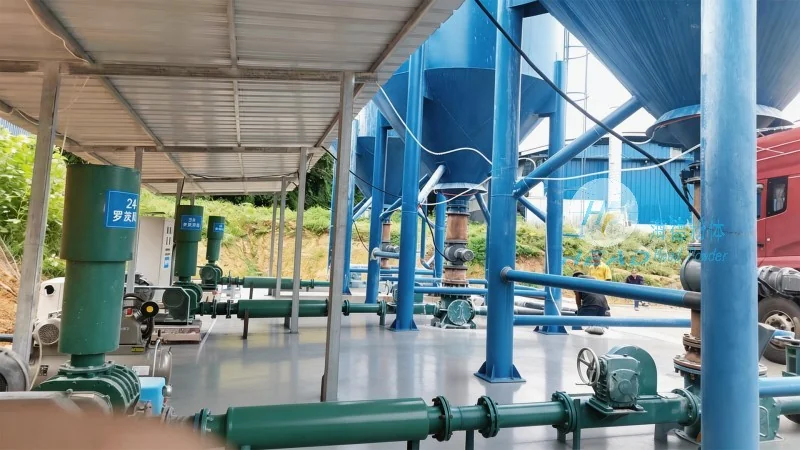
Positive pressure systems use a blower or compressor to force air through the pipeline, carrying the material from the source to the destination. These systems are generally more suitable for long-distance or high-volume transport and are often preferred when the receiving equipment needs to be at a higher elevation than the source. They also provide better control over dust emissions and can handle more abrasive materials without significant wear on the system components.
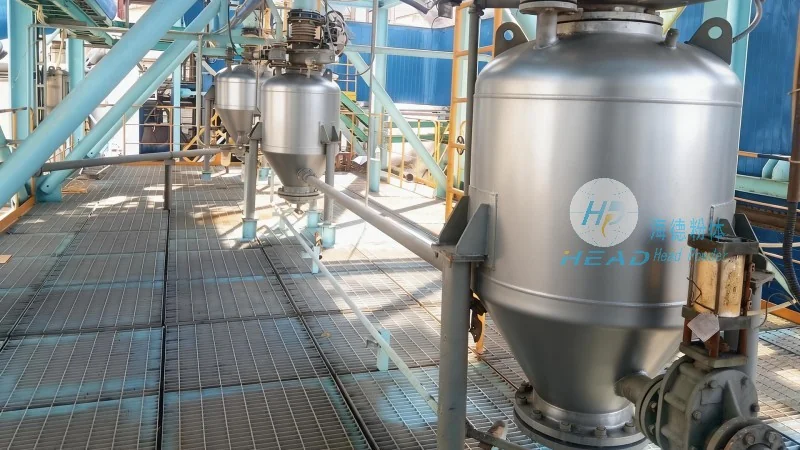
Negative pressure systems, on the other hand, use a vacuum pump to draw material from the source into the pipeline. This method is ideal for applications where the receiving end is at a lower elevation or when the system needs to minimize dust exposure at the source. However, they are generally less efficient for long distances and may require more maintenance due to the higher wear on the vacuum pump and associated components.
Key Design Considerations for Calcium Fluoride Conveying
Several key factors must be considered when designing a calcium fluoride pneumatic conveying system to ensure optimal performance and longevity.
First, the system layout and pipeline design are critical. The pipeline should be sized appropriately to handle the material's flow characteristics, avoiding excessive pressure drops that could lead to material deposition or system inefficiencies. For calcium fluoride, which can be abrasive, selecting materials with high wear resistance, such as stainless steel or special alloys, is essential to minimize wear and extend the system's lifespan. The pipeline should also be designed to prevent air leaks, as these can cause pressure losses and affect the conveying efficiency.
Second, the selection of the air source is another important consideration. The air velocity must be sufficient to lift and transport the calcium fluoride particles but not so high as to cause excessive wear on the system components or generate excessive dust. Typically, air velocities range from 20 to 30 m/s for fine powders like calcium fluoride. The air source, whether a blower or compressor, should be sized to provide the required air volume and pressure to achieve the desired conveying rate.
Third, the hopper and feeder design plays a vital role in the system's performance. The hopper should be designed to prevent material bridging or segregation, which can lead to uneven flow and system blockages. For calcium fluoride, which may have cohesive properties due to moisture, using a hopper with a conical or wedge-shaped bottom and incorporating vibrators or air cannons can help maintain consistent material flow. The feeder, such as a rotary valve or a star feeder, should be selected based on the material's flow characteristics and the required conveying rate. It's important to ensure that the feeder can handle the material's density and particle size without causing excessive wear or clogging.
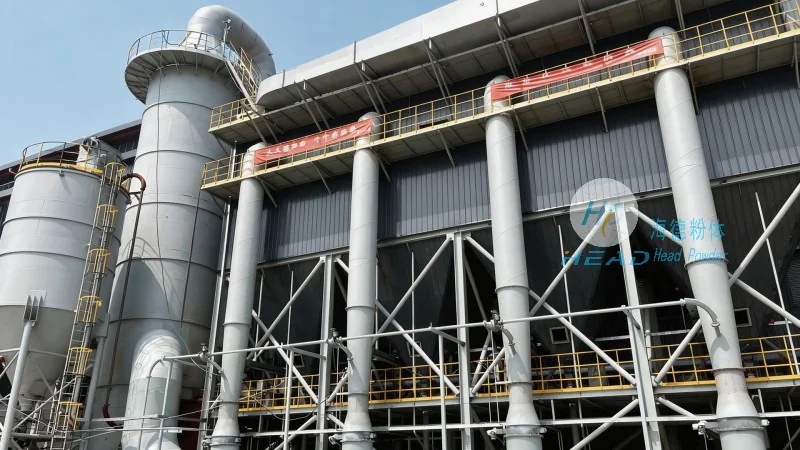
Fourth, the receiving equipment and dust collection system are also critical components. The receiving hopper or silo should be designed to accommodate the material's bulk density and prevent material buildup. A dust collection system, such as a baghouse or cartridge filter, is essential to capture any airborne particles and ensure compliance with environmental regulations. The system should be designed to handle the dust load generated by calcium fluoride, which can be fine and potentially hazardous if not properly controlled.
Equipment Selection and Installation
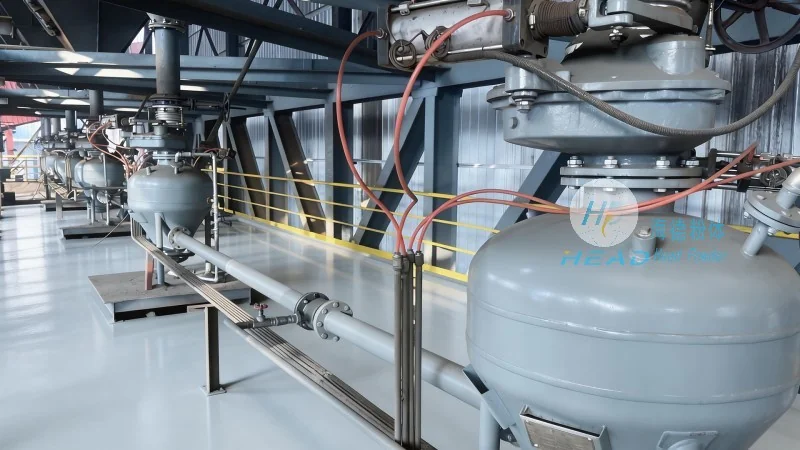
Choosing the right equipment is crucial for the success of a calcium fluoride pneumatic conveying system. Shandong HeadPowder Engineering Co., Ltd. offers a range of equipment tailored to the specific needs of calcium fluoride handling. This includes high-quality blowers and compressors, wear-resistant pipelines and fittings, and specialized hoppers and feeders designed to handle abrasive materials.
The installation process should be carefully planned to ensure proper alignment and minimal air leaks. The system should be tested before operation to verify that it meets the required conveying rates and pressure levels. Regular maintenance is also essential to ensure the system operates efficiently and to prevent unexpected failures. This includes checking for wear on components, cleaning the dust collection system, and inspecting the pipeline for any signs of damage or clogging.
Conclusion
Designing a reliable calcium fluoride pneumatic conveying system requires a thorough understanding of the material's properties, the available system options, and the specific requirements of the application. By considering factors such as material characteristics, system type, pipeline design, and equipment selection, engineers can create a system that is efficient, safe, and cost-effective. Shandong HeadPowder Engineering Co., Ltd. provides expert guidance and customized solutions to help clients achieve their material handling goals while ensuring compliance with industry standards and regulations.




