For businesses in the oilseed processing industry, optimizing the efficiency and reliability of material transport is crucial for success. A well-designed pneumatic conveying system for camellia seeds can significantly enhance operational performance while reducing costs. This article explores the key considerations and steps involved in designing a reasonable camellia seed pneumatic conveying system, with a focus on practical applications and industry best practices. The information is provided by Shandong HeadPowder Engineering Co., Ltd., a leading engineering company specializing in solutions for the food and oilseed processing sectors, based in Shandong, China.
Key Factors Influencing System Selection
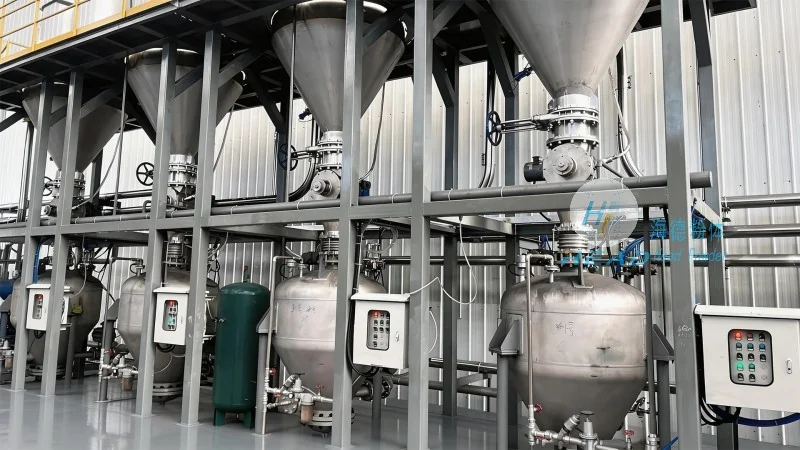
The first step in designing a pneumatic conveying system for camellia seeds is to evaluate the specific characteristics of the material and the operational requirements. Camellia seeds, with their unique physical properties such as size, moisture content, and density, require a system that can handle these variables effectively. Factors like the distance of material transport, the required flow rate, and the desired system pressure all play a role in determining the appropriate system type—whether it's a positive pressure, negative pressure, or a combination of both. Additionally, the scale of the operation, from small-scale processing to large industrial facilities, will influence the system's capacity and complexity. By carefully analyzing these factors, engineers can select a system that matches the specific needs of the application.
System Components and Their Roles
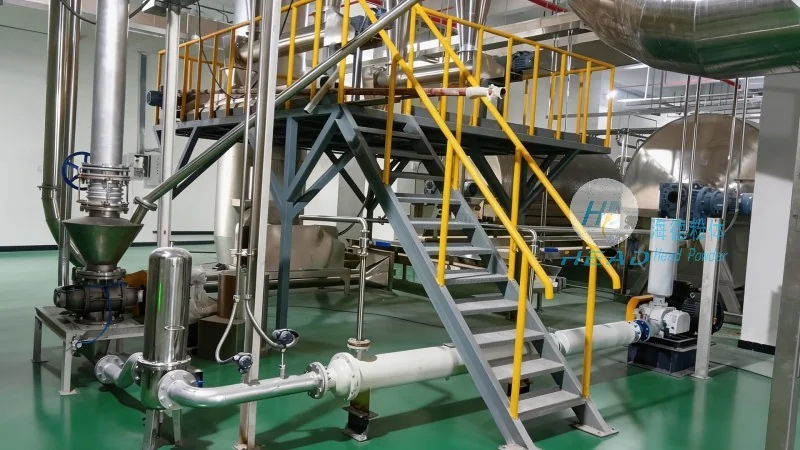
A pneumatic conveying system typically consists of several key components, each playing a vital role in the overall operation. The primary components include the material feed hopper, which holds the camellia seeds and controls the flow rate; the conveyor line, which transports the material through the system; the air supply unit, which provides the necessary pressure or vacuum; and the separation and collection equipment, which ensures the material is properly discharged and the air is filtered. For camellia seeds, the feed hopper may need to be equipped with a rotary valve or a screw feeder to maintain a consistent flow, preventing blockages and ensuring smooth operation. The conveyor line may use flexible hoses or rigid pipes, depending on the distance and pressure requirements. The air supply unit can be a blower or a vacuum pump, with the choice depending on whether a positive or negative pressure system is selected. The separation equipment, such as cyclones or filters, is crucial for removing dust and ensuring the material is clean before it reaches the processing stage. Each component must be carefully selected and sized to ensure the system operates efficiently and reliably.
Design Considerations for Material Handling
Camellia seeds are known for their high oil content and relatively small size, which can present challenges during material handling. The system design must account for the seed's tendency to clump or stick together, which can lead to blockages in the conveyor line. To mitigate this, the feed hopper may be equipped with a pre-treatment mechanism, such as a vibrating screen or a de-stoner, to break up clumps and remove foreign objects. Additionally, the system may include a drying or conditioning step to adjust the moisture content of the seeds, as excessive moisture can affect the conveying efficiency and cause corrosion in the equipment. The system's design should also consider the potential for dust generation, as camellia seeds are prone to creating fine particles during transport. Proper dust control measures, such as filtration systems and sealed enclosures, are essential to maintain a safe and clean working environment. By addressing these material-specific challenges, the system can be optimized to handle camellia seeds effectively and minimize operational issues.
Energy Efficiency and Cost Optimization
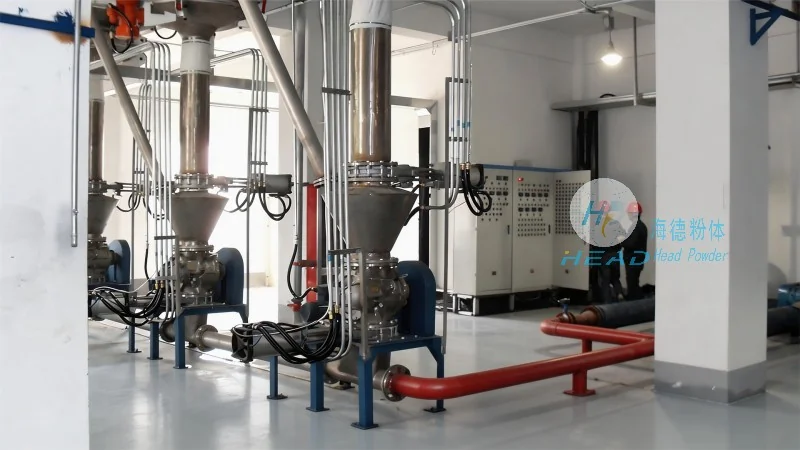
Designing a pneumatic conveying system that is both efficient and cost-effective is a priority for many businesses. Energy consumption is a significant factor in the operation of such systems, and optimizing it can lead to substantial savings over time. The choice of system type, such as positive pressure versus negative pressure, can impact energy usage. Positive pressure systems typically require more energy to operate but may be more suitable for long-distance transport, while negative pressure systems are often more energy-efficient for shorter distances. The system's design should also consider the use of energy-efficient components, such as high-efficiency blowers or vacuum pumps, and the implementation of variable speed drives to adjust the air flow as needed. Additionally, regular maintenance and proper system sizing can help reduce energy consumption and extend the lifespan of the equipment. By focusing on energy efficiency, businesses can not only reduce operational costs but also contribute to environmental sustainability.
Integration with Processing Facilities
The pneumatic conveying system for camellia seeds is often integrated with other processing equipment, such as oil presses or solvent extractors. The design of the system must ensure seamless integration with these facilities to maintain a continuous flow of material. This involves coordinating the system's capacity with the processing line's requirements, ensuring that the material is delivered to the next stage at the right time and in the right quantity. The system may also include sensors and control systems to monitor the flow rate, pressure, and other parameters, providing real-time feedback to operators. This allows for adjustments to be made quickly in response to changes in material flow or system performance. The integration of the pneumatic conveying system with the overall processing facility is crucial for maintaining productivity and minimizing downtime. By designing the system with integration in mind, businesses can achieve a more streamlined and efficient operation.




